Business News
Trump tariff uncertainty lingers as US Supreme Court defers ruling; weeks of delay likely
.png)
3 min read | Updated on January 21, 2026, 09:47 IST


SUMMARY
The US Supreme Court has delayed a decision on a high-stakes legal challenge to President Donald Trump’s sweeping “reciprocal” tariffs, dashing hopes of a quick rollback.
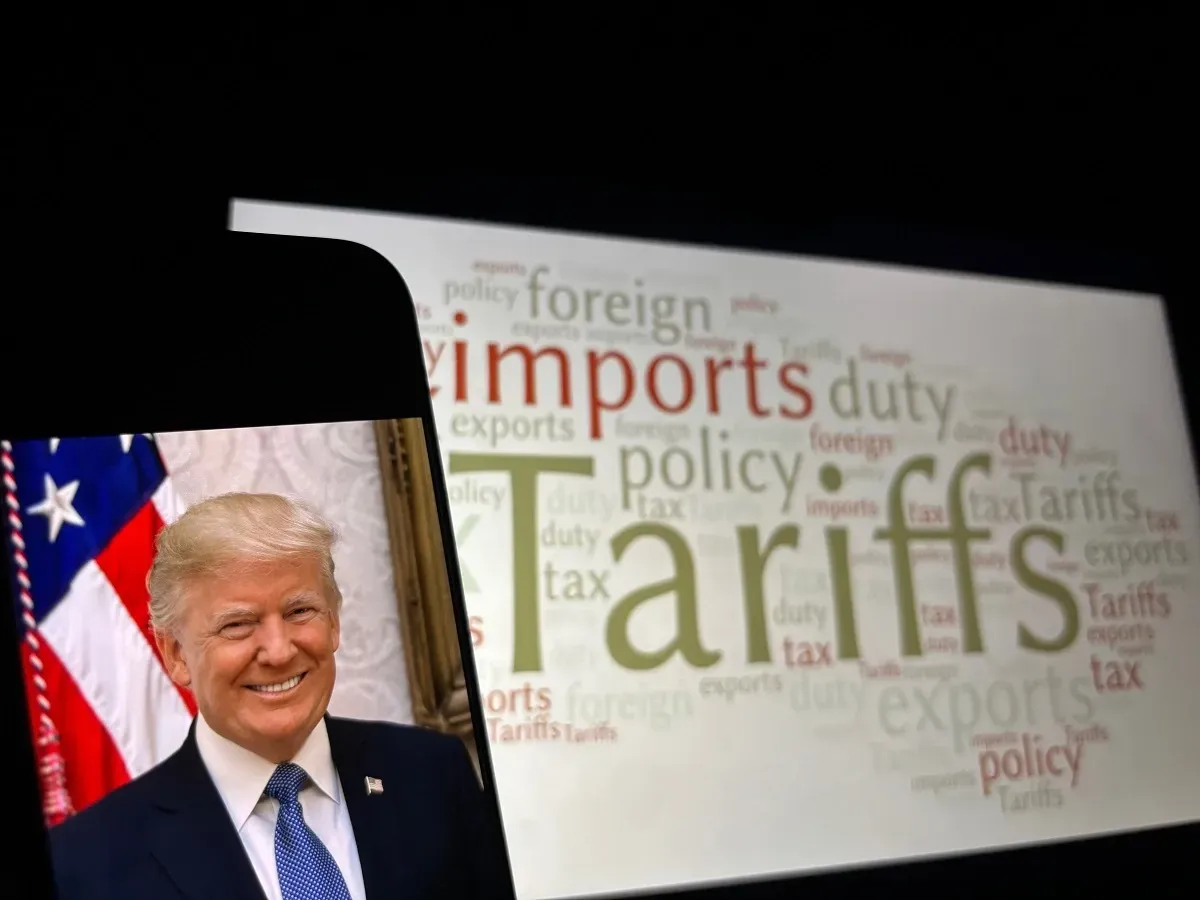
The case, the first major test of Trump’s economic agenda since his return to the White House, will likely be pushed back further as the court heads into a four-week recess.
The US Supreme Court on Tuesday dashed hopes for a swift rollback of President Donald Trump’s sweeping tariffs as it issued three unrelated decisions but left unresolved a high-stakes challenge to the legality of the so-called reciprocal duties.
The justices did not say when they would rule on the tariff dispute and, as is customary, did not announce in advance which rulings would be released on a particular date.
The court is set to begin a four-week recess next week, further delaying a decision in the closely watched case.
After a hearing on Trump’s effort to fire Federal Reserve Governor Lisa Cook, the court has no additional courtroom arguments scheduled until February 20. That timeline means the justices could leave unresolved for weeks or even months whether Trump exceeded his authority in imposing tariffs on goods from dozens of countries.
The case marks the first major piece of Trump’s agenda to reach the nation’s highest court since his return to the White House.
During arguments in November, a majority of the court appeared skeptical of Trump’s reliance on an emergency-powers statute to justify the worldwide tariffs.
Several conservative justices questioned whether the law gives the president near-limitless authority to impose and adjust import duties..
So far, the conservative majority has been reluctant to curb Trump’s aggressive use of executive authority in short-term orders, including disputes over high-profile firings and major federal funding cuts.
A full ruling on the tariff case, however, would likely be more detailed and could mark a shift.
Trump has argued that he can act without congressional approval by declaring national emergencies under the 1977 International Emergency Economic Powers Act.
Justice Neil Gorsuch suggested that interpretation risks transferring too much authority from lawmakers to the president on a core economic issue that helped spark the American Revolution.
“It’s a one-way ratchet toward the gradual but continual accretion of power in the executive branch and away from the people’s elected representatives,” Gorsuch said, adding that the “power to reach into the pockets of the American people” should be exercised “locally, through our elected representatives.”
Chief Justice John Roberts questioned whether the emergency law truly allows tariffs on “any product, from any country, in any amount, for any length of time.”
Justice Amy Coney Barrett also pressed the administration on the breadth of the policy. “Spain? France? I mean, I could see it with some countries but explain to me why as many countries needed to be subject to the reciprocal tariff policy,” she said.
Solicitor General D. John Sauer argued that lopsided trade relationships are a “global problem” and said the tariffs are aimed primarily at regulating foreign commerce to make it fairer, not at raising revenue.
“The fact that they raise revenue is only incidental,” he told the court.
Hours later, Trump struck a different note, telling business leaders in Miami that the tariffs would help slash the federal deficit.
“People that are against Tariffs are FOOLS!” he lashed out at critics on his Truth Social platform. “We are now the Richest, Most Respected Country In the World, With Almost No Inflation, and A Record Stock Market Price. 401k’s are Highest EVER.”
Trump has warned that striking down his tariffs would leave the United States “defenseless” and “reduced to almost Third World status.”
About The Author
Next Story