Business News
Trump announces 25% tariff on countries doing business with Iran; what we know so far
.png)
3 min read | Updated on January 13, 2026, 09:45 IST


SUMMARY
While the White House has not detailed how the tariffs would be enforced or defined “doing business” with Iran, the announcement adds to mounting pressure on Iran’s leadership as the country grapples with sanctions, high inflation, and a plunging currency.
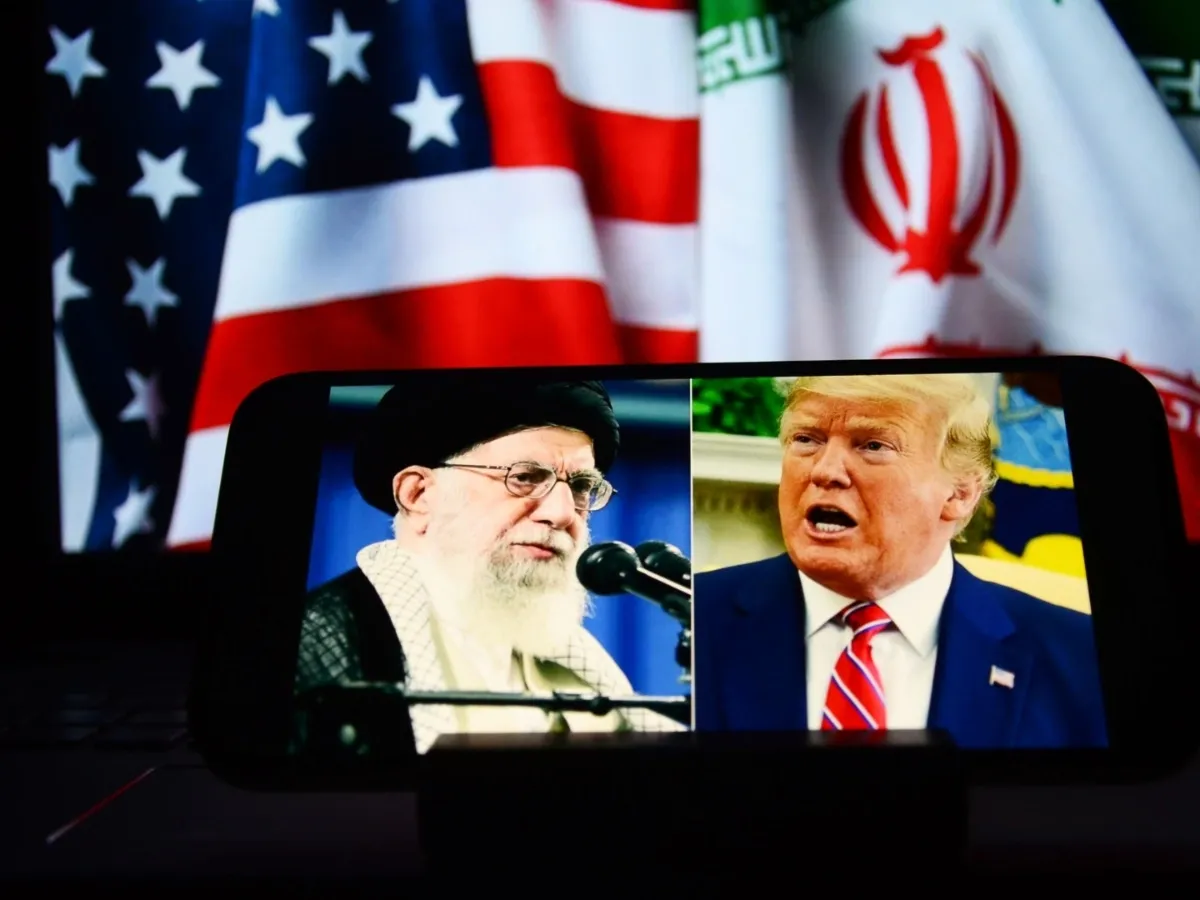
US President Donald Trump announced sweeping new tariffs targeting countries that do business with Iran.
US President Donald Trump on Monday said the United States will impose sweeping new tariffs on countries that do business with Iran, threatening a 25% levy on all trade with the US as his administration escalates economic pressure on Tehran amid deadly unrest there.
In a post on his Truth Social platform, Trump said that “effective immediately,” any country doing business with Iran would face a 25% tariff on “any and all business being done with the United States of America,” calling the order “final and conclusive.”
The White House has not released details on how the tariffs would be implemented or enforced.
Trump did not define what qualifies as “doing business” with Iran, raising questions about whether the measure would apply to goods, services or financial transactions, and which countries could be targeted.
The announcement comes as Iran faces nationwide protests sparked by economic hardship and anger at the country’s leadership.
Rights groups say the unrest has been met with a harsh crackdown. More than 600 people have been killed and thousands arrested over the past two weeks, according to the US-based Human Rights Activists News Agency. It said 512 of those killed were protesters and 134 were members of the security forces, with more than 10,700 people detained.
Foreign Minister Abbas Araghchi, speaking to foreign diplomats in Tehran, said the situation was under control and blamed the violence on foreign interference.
“That’s why the demonstrations turned violent and bloody to give an excuse to the American president to intervene,” Araghchi said, in comments carried by Al Jazeera, accusing Israel and the United States of fueling the unrest.
The protests have added to mounting pressure on Iran’s theocratic leadership as the country struggles with a weakened economy, soaring prices and high inflation. The government has imposed internet and telecommunications shutdowns to curb demonstrations.
Iran is also still reeling from a 12-day war launched by Israel in June that saw US forces bomb Iranian nuclear sites. Economic pressure has intensified since September, when the United Nations reimposed sanctions over Iran’s atomic program. The Iranian rial has plunged to more than 1.4 million to the dollar, while food prices have surged and inflation remains around 40%.
In recent months, Iran has raised fuel prices by introducing a new pricing tier for subsidised gasoline and has signaled further increases. Food prices are expected to rise further after Iran’s central bank ended a preferential exchange rate for most imports, except medicine and wheat.
Trump has warned that the United States could intervene if Iranian authorities intensify their crackdown.
“We’re watching it very closely,” Trump said recently. “If they start killing people like they have in the past, I think they’re going to get hit very hard by the United States.”
About The Author
Next Story