Business News
Strait of Hormuz open or shut? Israel’s strikes in Lebanon stall traffic, test ceasefire

3 min read | Updated on April 09, 2026, 14:22 IST


SUMMARY
The Islamic Revolutionary Guard Corps (IRGC) reported that shipping traffic through the Strait of Hormuz slowed and eventually stopped after Israeli strikes in Lebanon.
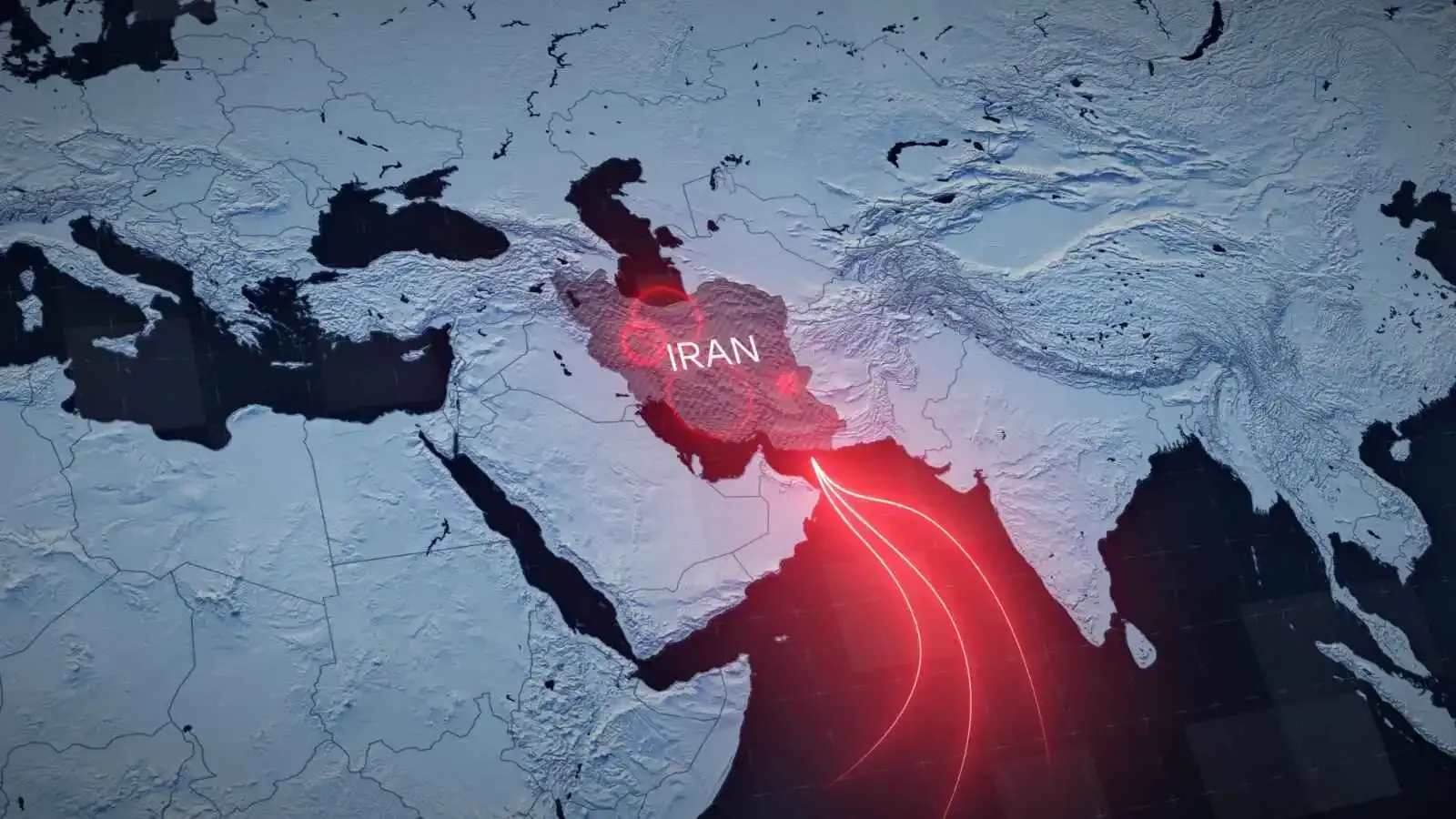
Confusion over whether the ceasefire included Lebanon has added to uncertainty in the Strait of Hormuz. Image: Shutterstock
A fragile two-week ceasefire between the United States and Iran that had raised hopes for the safe reopening of the Strait of Hormuz appeared to falter Thursday after Israeli strikes in Lebanon.
Iran’s Islamic Revolutionary Guard Corps (IRGC) on Thursday claimed that shipping through the narrow waterway slowed sharply and eventually stopped after large-scale Israeli strikes in Lebanon.
Vessel-tracking data from MarineTraffic showed no ships transiting the strait at the time, after earlier indications that traffic had begun to resume when the ceasefire took effect.
Trump on Wednesday suspended military strikes against Iran for two weeks, citing what he described as a “workable” 10-point proposal from Tehran and mediation efforts by Pakistan’s leadership.
Iranian officials have said the proposal includes demands for a US commitment to non-aggression, recognition of Iran’s control over the Strait of Hormuz, acceptance of its uranium enrichment program and the lifting of sanctions. I
It also calls for a cessation of hostilities across regional fronts, including conflicts involving allied groups such as Hezbollah in Lebanon.
But Israeli Prime Minister Benjamin Netanyahu, while publicly backing Trump’s decision to pause military strikes against Iran, claimed that the ceasefire does not extend to Lebanon.
Shortly after the truce was announced, Israeli forces launched extensive strikes on Beirut and other areas, hitting more than 100 targets, according to the military.
Lebanese authorities said at least 182 people were killed and hundreds wounded in the deadliest day of the ongoing Israel-Hezbollah conflict.
While Pakistan’s Prime Minister Shehbaz Sharif, who played mediator's role, said the two sides have agreed to an "immediate ceasefire everywhere including Lebanon and elsewhere", US Vice President JD Vance called it a "legitimate misunderstanding".
"I think the Iranians thought the ceasefire included Lebanon, and it just didn't. We never made that promise, we never indicated that was gonna be the case," he told reporters.
Trump has also publicly distanced himself from a version of the 10-point proposal released by Iranian officials.
In a post on his Truth Social platform, Trump dismissed the proposals circulating publicly as unauthorised, saying: “Numerous Agreements, Lists, and Letters are being sent out by people that have absolutely nothing to do with the U.S.A./Iran Negotiation … they are total Fraudsters, Charlatans, and WORSE.”
“There is only one group of meaningful ‘POINTS’ that are acceptable to the United States, and we will be discussing them behind closed doors during these negotiations,” he added, insisting those terms formed the basis of the ceasefire.
The IRGC, on the other hand, said one of the plan’s key proposals is Iran’s continued “smart management” of the Strait of Hormuz. It claimed that Trump accepted that the strait would remain “under Iran’s control.”
The IRGC said two Iranian-owned oil tankers and one Chinese vessel passed safely through the strait earlier in the day. But it said additional traffic failed to materialise and that “all ship traffic” stopped minutes after Israeli strikes began.
It also reported that at least one vessel scheduled to transit later reversed course near the strait, highlighting growing uncertainty among commercial shippers.
Related News
About The Author
Next Story