Business News
Startup India, now a revolution, changed who becomes an entrepreneur: PM Modi
.png)
3 min read | Updated on January 16, 2026, 14:55 IST


SUMMARY
PM Modi highlighted the role of start-ups in solving real-world problems across sectors such as agriculture, fintech, health and sustainability.
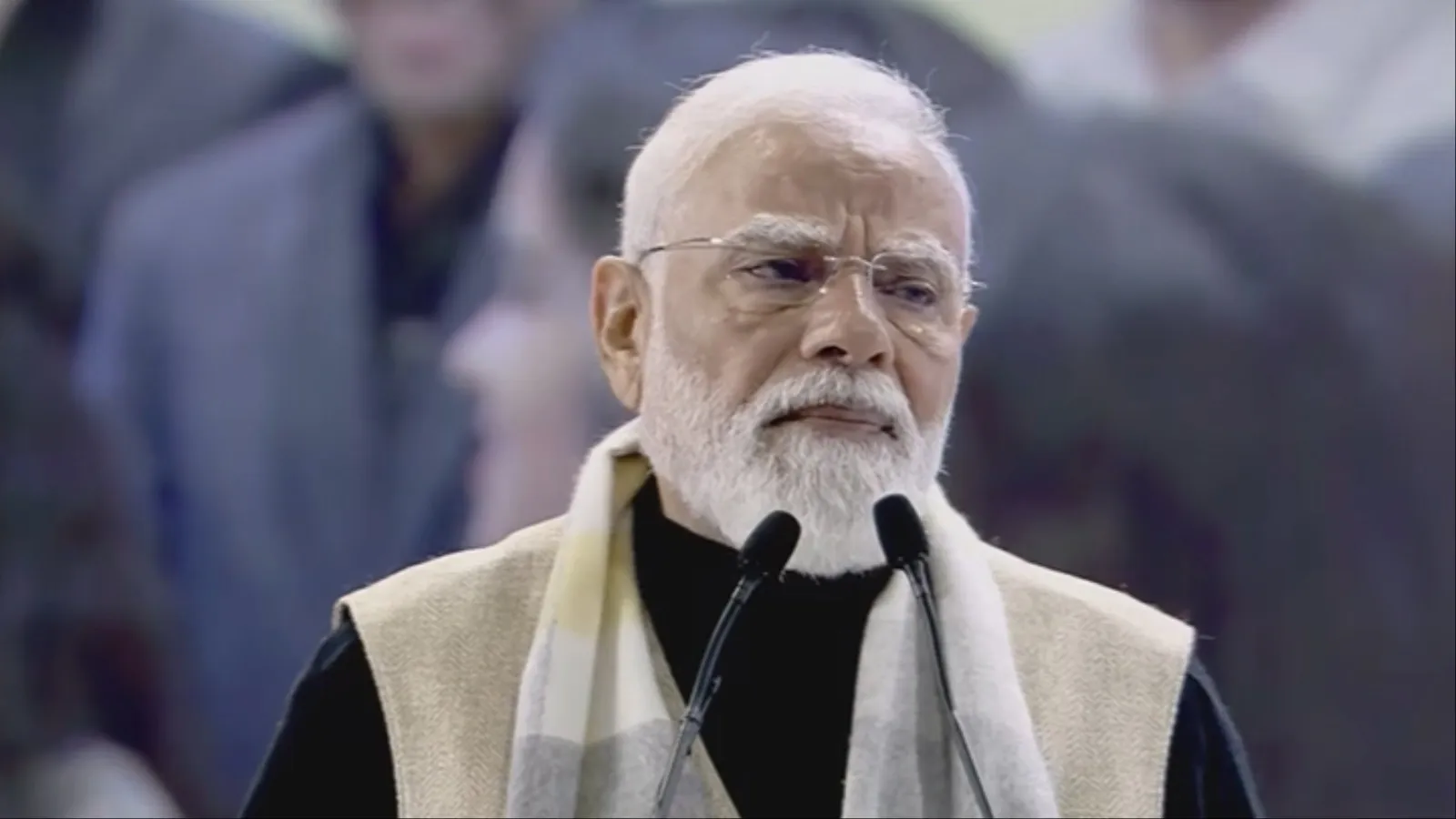
Prime Minister Narendra Modi said the ecosystem that started with four startups in 2014 has grown to over 125 active unicorns.
Prime Minister Narendra Modi on Friday said India’s startup revolution has democratised entrepreneurship by enabling youth from middle-class and poorer families to build enterprises, and asserted that the country is today the world’s third-largest startup ecosystem.
Addressing a programme marking a decade of the Startup India initiative at Bharat Mandapam, Modi said the ideas coming from startups across agriculture, fintech, mobility, health and sustainability are solving real problems and shaping a “new and developed India”.
“As I look at this group of startup founders and innovators, I see the future of new and developed India. India’s youth are focused on solving real problems today,” the prime minister said.
Modi said the 10-year journey of Startup India is not merely the success of a government scheme but the story of “thousands and lakhs of dreams”.
He noted that India has also emerged as the world’s second-largest ecosystem for startup funding.
"Those risk-taking ideas that were earlier considered fringe, have now become fashion," he said, adding that the country's youth does not want to work in comfort zones.
The prime minister said women have played a major role in the transformation, with more than 45% of recognised startups having at least one female director or partner.
“Earlier, only children from wealthy families would start new businesses or ventures, because they were the only ones who could easily access funding. Most children from middle-class and poor families could only dream of getting a job. But the Startup India programme has changed this mindset,” he said.
India’s startup ecosystem has expanded rapidly over the past decade, with more than 2 lakh startups recognised as of December 2025.
Major hubs such as Bengaluru, Hyderabad, Mumbai and Delhi-NCR have led the growth, while around half of the startups now emerge from tier II and III cities.
The high-value segment has grown from just four unicorns in 2014 to over 120 today, with a combined valuation exceeding $350 billion.
Startups are increasingly bridging rural-urban gaps through agri-tech, telemedicine, microfinance, tourism and ed-tech, while generating direct and indirect employment across sectors.
The government, through the Department for Promotion of Industry and Internal Trade (DPIIT), has rolled out a range of initiatives, including the ₹10,000-crore Fund of Funds for Startups managed by SIDBI, the Credit Guarantee Scheme for Startups, the ₹945-crore Startup India Seed Fund Scheme, the Startup India Hub, the States’ Startup Ranking Framework, the MAARG mentorship portal and the Startup India Investor Connect platform.
“This inclusive momentum of startups is further enhancing India's potential. Today, the country sees its future in the startup revolution,” Modi said.
About The Author
Next Story