Business News
Saudi Aramco shuts Ras Tanura refinery after drone strike; oil prices surge
.png)
4 min read | Updated on March 02, 2026, 14:08 IST


SUMMARY
The attack on Saudi Aramco's refinery comes amid widening regional conflict and growing threats to critical energy infrastructure and shipping routes, including the Strait of Hormuz.

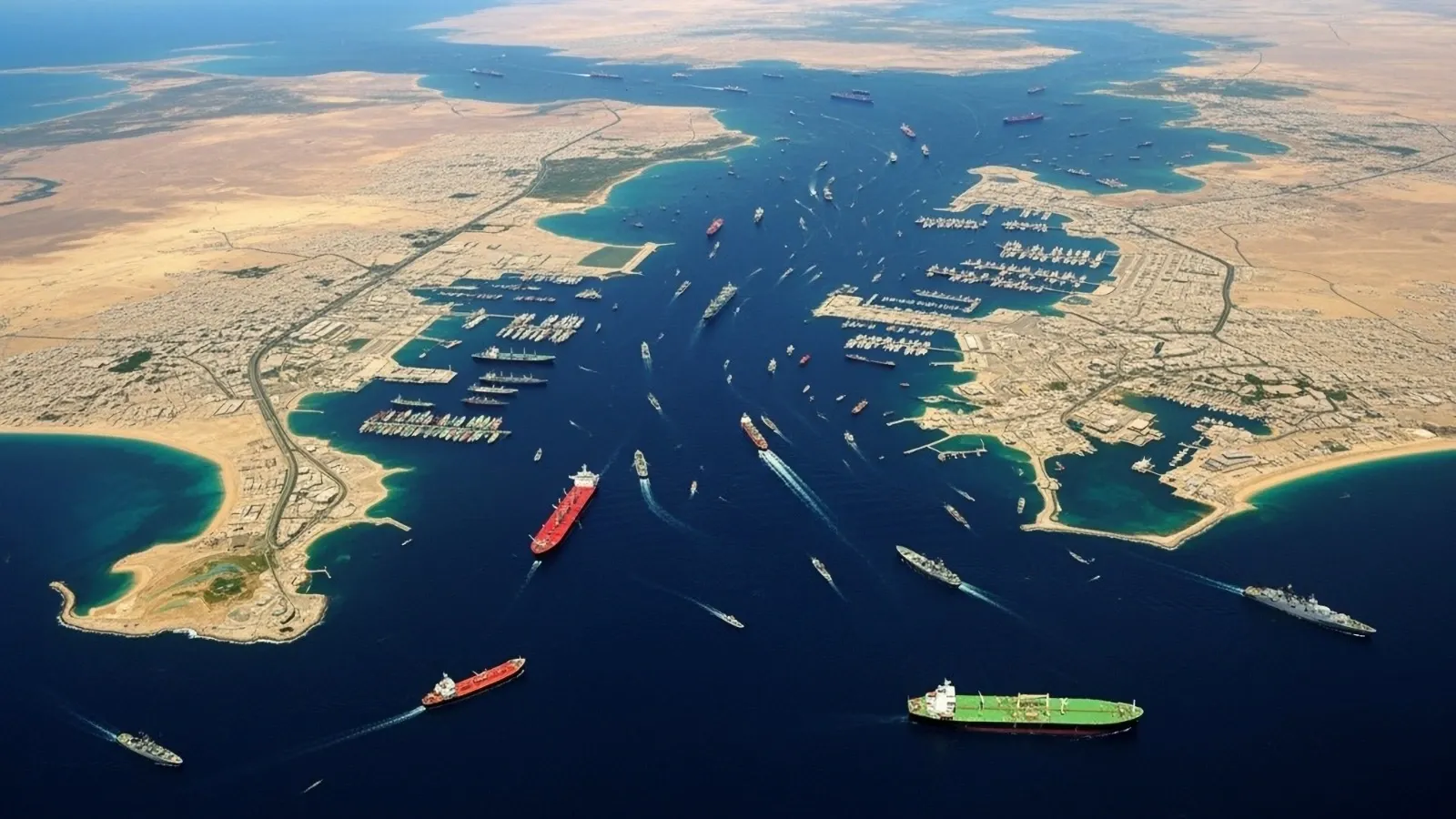
Saudi Aramco has shut its 550,000 bpd Ras Tanura refinery after a drone strike. Image: Shutterstock
Saudi Aramco has shut its 550,000-barrel-per-day Ras Tanura refinery following a drone strike, reported Reuters on Monday citing an industry source.
The Ras Tanura complex, located on the kingdom’s Gulf coast, houses one of the Middle East’s largest refineries and serves as a critical export terminal for Saudi crude.
The facility was shut as a precautionary measure and the situation was under control, according to the report.
This is not the first time that Saudi Arabia’s heavily fortified energy infrastructure has been targeted.
In September 2019, unprecedented drone and missile strikes on the Abqaiq and Khurais plants temporarily knocked out more than half of the kingdom’s crude production.
The latest strike comes amid a widening conflict across the Gulf.
Tehran has launched attacks targeting US assets and regional partners, including Israel, Qatar, the United Arab Emirates, Kuwait, Bahrain, Jordan, Saudi Arabia and Iraq.
A wave of strikes has hit key Gulf hubs including Abu Dhabi, Dubai, Doha, Manama and Oman’s commercial port area of Duqm.
The attacks have disrupted major shipping centres in the United Arab Emirates and Oman and pushed Brent crude futures up roughly 10% on Monday.
Fears are also mounting over the security of the Strait of Hormuz, a vital oil and gas chokepoint through which about a fifth of global oil consumption flows.
Oman said on Sunday that an oil tanker was attacked in the strategic waterway, wounding four mariners. The state-run Oman News Agency identified the vessel as the Palau-flagged Skylight and said the crew included Indian and Iranian nationals. It was not immediately clear who carried out the attack.
The incident followed reports that Iran’s Revolutionary Guards issued VHF radio warnings declaring that “no ship is allowed to pass” through the Strait of Hormuz.
The United Kingdom Maritime Trade Operations centre said such radio messages are not legally binding under international law. Under the United Nations Convention on the Law of the Sea, transit through international straits remains protected unless physically blocked.
Iran warned vessels away from the strait and some insurers withdrew coverage, effectively halting tanker movements.
Consultancy Wood Mackenzie said oil prices could exceed $100 per barrel if tanker traffic through the Strait of Hormuz is not restored quickly, as disruption to the waterway threatens about 15% of global oil supply and 20% of global liquefied natural gas (LNG) supply.
The disruption, Wood Mackenzie said, creates a dual supply shock. Current exports through the strait are suspended, while additional OPEC+ volumes and most of OPEC's spare capacity - typically used to balance the global oil market - are inaccessible as long as the waterway remains closed.
Global oil prices rose after at least three ships were attacked near the Strait of Hormuz.
Brent crude was up more than 8% at $78.72 a barrel, while US crude gained about 7.6% to $72.20.
“The key question is when vessels re-establish export flows,” said Alan Gelder, senior vice president of refining, chemicals and oil markets at Wood Mackenzie.
While tanker rates and insurance costs are set to surge, he said those increases would represent only a fraction of the impact if oil flows are curtailed for more than a few days.
In the most optimistic scenario, export flows could take weeks to resume, he added.
Oil prices are "heavily risked to the upside" during that period.
Gelder cited the early stages of the Russia-Ukraine conflict, when fears over Russian supply losses drove prices above USD 125 per barrel.
“In the current scenario, oil prices above $100 per barrel are possible if transit flows are not re-established quickly,” he said.
India, which imports about 88% of its crude oil needs, would face a higher import bill and potential fuel inflation if prices remain elevated.
Related News
By signing up you agree to Upstox’s Terms & Conditions

About The Author
Next Story