Business News
‘Unprecedented challenges for India’: PM Modi speaks in Lok Sabha on West Asia conflict
.png)
3 min read | Updated on March 23, 2026, 15:13 IST


SUMMARY
Prime Minister Narendra Modi said the ongoing crisis in West Asia is a serious concern, warning that it is already impacting the global economy and everyday life while posing “unprecedented challenges” for India.
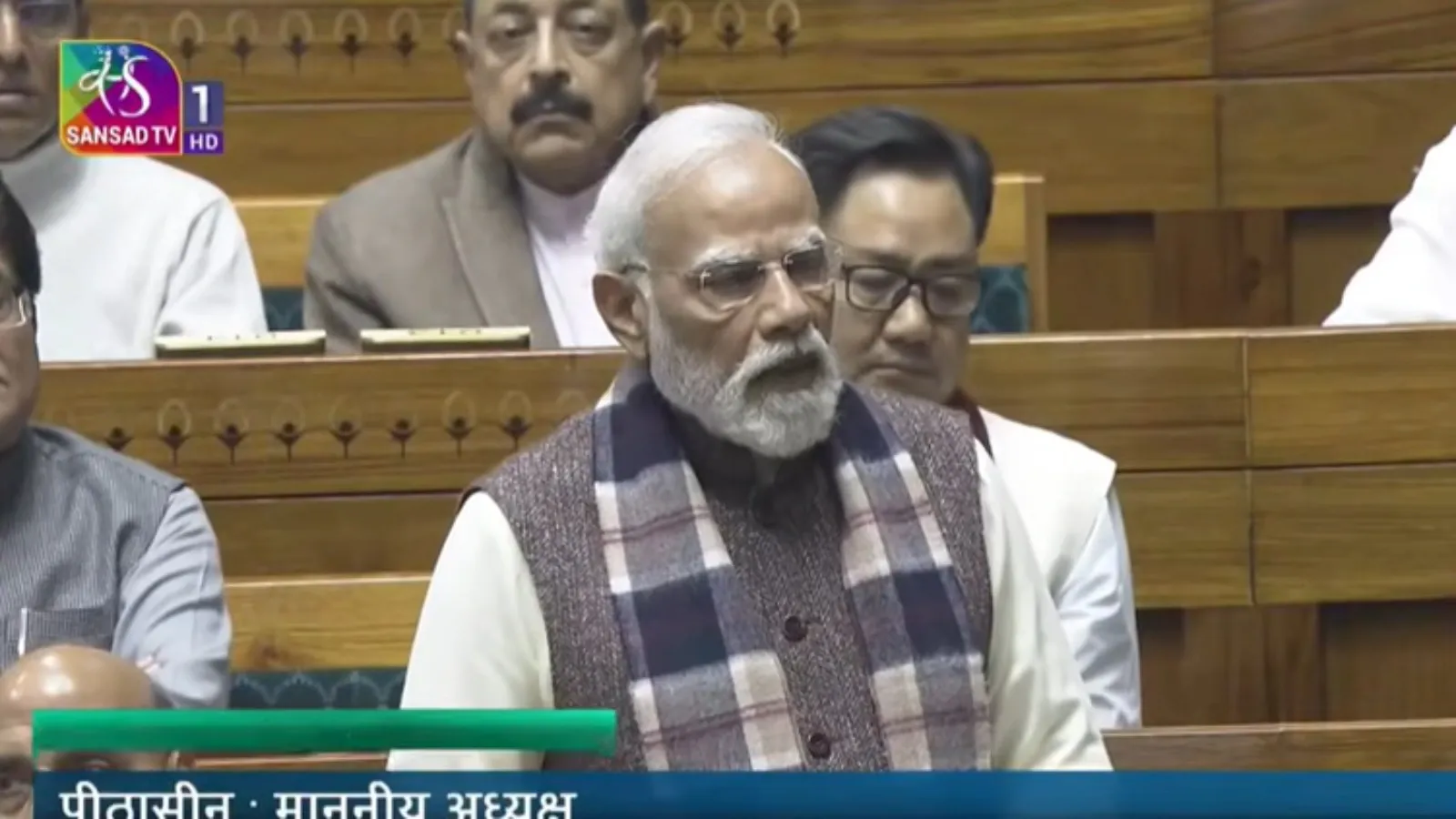
Prime Minister Narendra Modi noted that the situation has persisted for over three weeks and has drawn global calls for an early resolution.
Prime Minister Narendra Modi on Monday said the ongoing crisis in West Asia is a matter of serious concern and has begun impacting the global economy as well as daily life.
Beginning his address in the Lok Sabha, Modi the situation has persisted for over three weeks and has drawn global calls for an early resolution.
“The situation in West Asia is concerning. In the past two-three weeks, [Union Ministers] S Jaishankar and Hardeep Singh Puri have provided necessary information to the House,” he said.
He said the ongoing crisis in West Asia has created “unexpected challenges” for India across economic, national security and humanitarian fronts.
“This war has posed unprecedented challenges in front of India. These challenges are economic, linked to national security, and humanitarian as well,” he said.
The prime minister highlighted India’s strong economic linkages with the region, noting that disruptions could have wide-ranging implications.
“India has extensive trade ties with the countries affected by the conflict, and the region is a key route for our global trade. A significant portion of our crude oil and gas needs is met from this region,” Modi said.
He also flagged concerns over the safety and welfare of Indians in the Gulf and those working at sea.
“It is also important because nearly one crore Indians live and work in Gulf countries. A large number of Indian crew members are employed on commercial ships operating in these waters,” he said.
PM Modi said the government’s top priority remains the safety of Indians, both domestically and abroad. Since the beginning of the conflict, over 3.75 lakh Indians have returned safely, including around 1,000 evacuated from Iran.
He informed the Parliament that more than 700 Indian medical students are currently in Iran, while thousands of students study in Indian schools across Gulf countries. The CBSE has cancelled examinations in these schools and is taking steps to ensure continuity in education.
Modi said the government is working to ensure that supplies of petrol, diesel and cooking gas remain stable across the country.
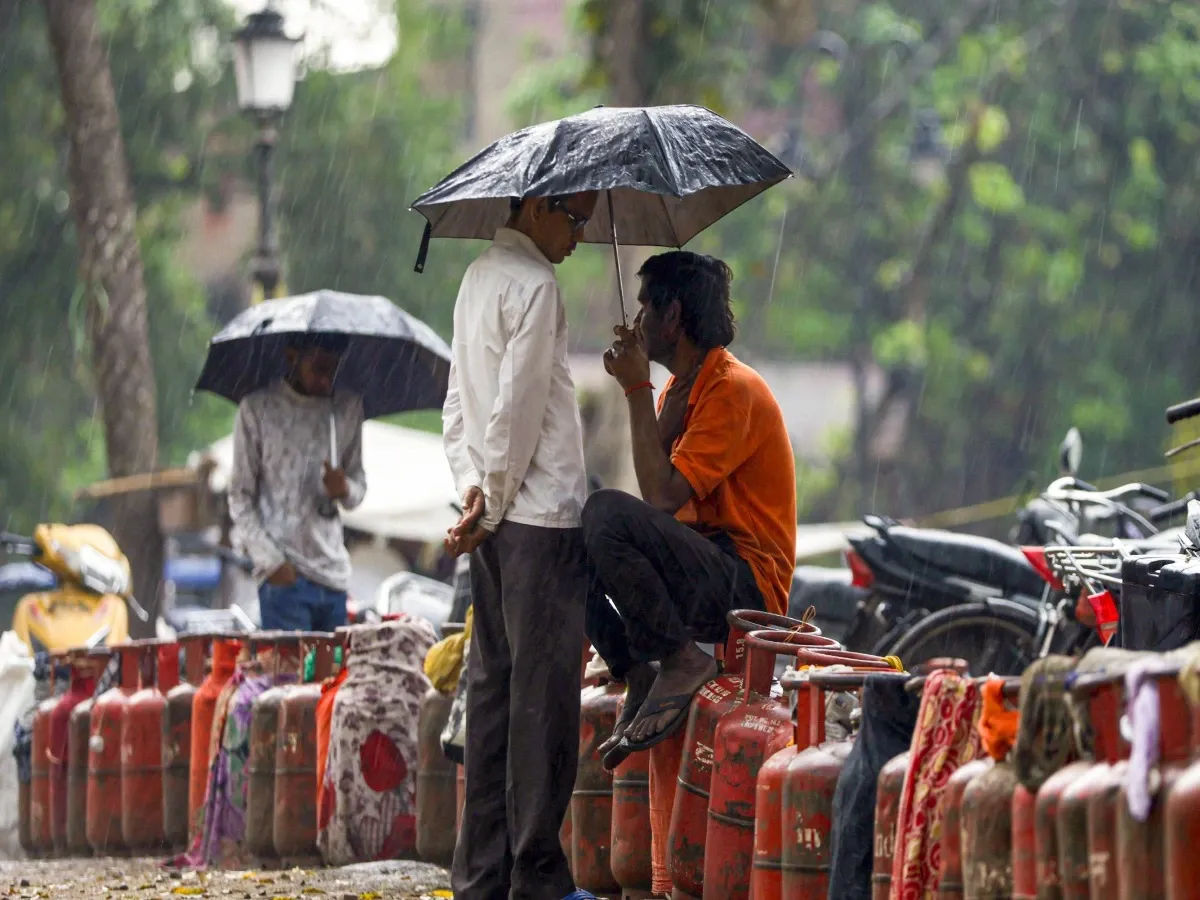
“We import nearly 60% of our LPG requirement. Amid supply uncertainties, domestic consumption has been prioritised, while efforts are on to increase production within the country,” he said.
He said India has diversified its energy import sources over the past decade from 27 countries to 41, and strengthened emergency preparedness by building strategic reserves.
“At present, the country has over 5.3 million metric tonnes of strategic petroleum reserves, and efforts are underway to expand this to more than 6.5 million metric tonnes,” he said.
He also sought to reassure the agriculture sector, stating that India has sufficient food grain stocks and adequate fertiliser arrangements to shield farmers from global disruptions.
“The country’s farmers have ensured that our food reserves are well-stocked. Efforts are also being made to ensure proper sowing during the season,” he said.
Modi cautioned against misinformation and black marketing during the crisis.
“There will be attempts to spread misinformation and rumours… Such efforts must not be allowed to succeed,” he said, urging state governments to remain alert and take swift action against unlawful activities.
He said India has faced similar challenges during the COVID-19 pandemic and must respond with “patience, restraint and calmness”.
“When every government and every citizen works together, we can overcome any challenge,” he said.
Related News
About The Author
Next Story