Business News
PM Modi in London: India, UK sign landmark FTA, to unveil ‘Vision 2035’ roadmap
.png)
3 min read | Updated on July 24, 2025, 15:56 IST


SUMMARY
The free trade agreement cuts average Indian tariffs on British goods from 15% to 3% and removes duties on key Indian exports like textiles, leather, seafood, engineering goods, and medicines.
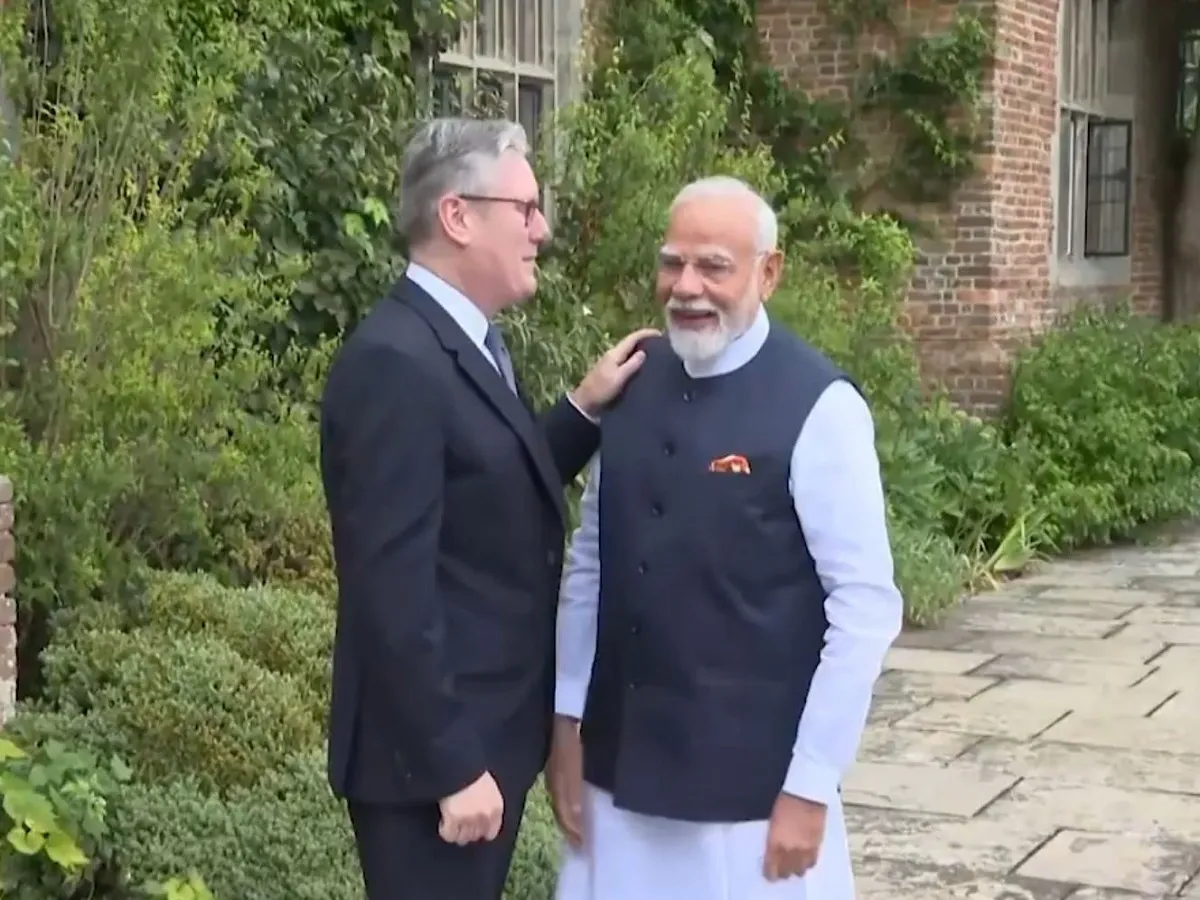
British Prime Minister Keir Starmer is set to host Modi on Thursday at his official country residence located 50 kms northwest of London.
India and the United Kingdom on Thursday signed a landmark free trade agreement in the presence of Prime Minister Narendra Modi and his British counterpart Keir Starmer.
Addressing a joint press meet, Prime Minister Modi said the two countries also reached a consensus on the double contribution convention.
"Along with this (FTA) agreement, we have also This will bring new energy to the service of both countries... Additionally, the UK's economy will benefit from India's skilled talent."
The FTA, billed as the UK's most economically significant bilateral trade deal since leaving the European Union, will significantly improve market access and boost bilateral trade by around USD 34 billion annually, the British government said, hours before formalising the landmark deal.
"A landmark deal with India means jobs, investment and growth here in the UK. It creates thousands of British jobs, unlocks new opportunities for businesses and puts money in the pockets of working people. That’s our Plan for Change in action," Starmer posted on X.
Tariff cuts
Under the agreement, India will cut average tariffs on British goods to 3% from 15% earlier.
The deal eliminates tariffs on 99% of India’s marine exports to the UK, including shrimp and fish meal, and removes duties on Indian leather and footwear exports, previously taxed at 16%, reported CNBC-TV18.
Tariffs on Indian textiles, currently at 12%, will also be reduced to zero, granting preferential market access over Bangladesh, Pakistan, and Cambodia, according to the media report.
The agreement removes duties on Indian engineering goods, reduces them from 18% to zero on generic medicines, and slashes tariffs on gems, jewellery, toys, plastics, and chemicals.
Indian agricultural and processed food exports will reportedly see zero duties on 95% of tariff lines, benefiting fruits, vegetables, cereals, spices, pickles, and ready-to-eat foods, though core sectors like dairy, apples, oats, and edible oils remain excluded.
The FTA will also support the movement of professionals in critical and emerging technologies and digital trade, officials said.
British consumers are expected to benefit from lower tariffs on imports ranging from soft drinks and cosmetics to cars and medical devices.
The UK currently imports £11 billion ($14 billion) in goods from India.
Modi and Starmer will also unveil a UK-India Vision 2035 roadmap, outlining goals in defence, technology, energy, climate change, and education.
British Foreign Secretary David Lammy described the FTA as a testament to the strength of the partnership between the two nations, saying the Vision 2035 will set “clear goals and milestones” to drive innovation and deepen defence cooperation through a new Defence Industrial Roadmap.
“It significantly improves market access for businesses in both countries, leading to cheaper products and services for consumers,” the UK government said in a statement.
Modi arrived in London on Wednesday as part of his two-nation trip to the UK and the Maldives.
Starmer received the prime minister on Thursday at his official country residence, located 50 kms northwest of London.
Related News
About The Author
Next Story