Business News
Ordering from Zomato or Swiggy on New Year’s Eve? Here’s why you may not get your food
.png)
3 min read | Updated on December 26, 2025, 12:28 IST


SUMMARY
Unions representing delivery workers allege long working hours, falling earnings, unsafe delivery targets and arbitrary account suspensions, and have warned of further disruptions during the New Year period.
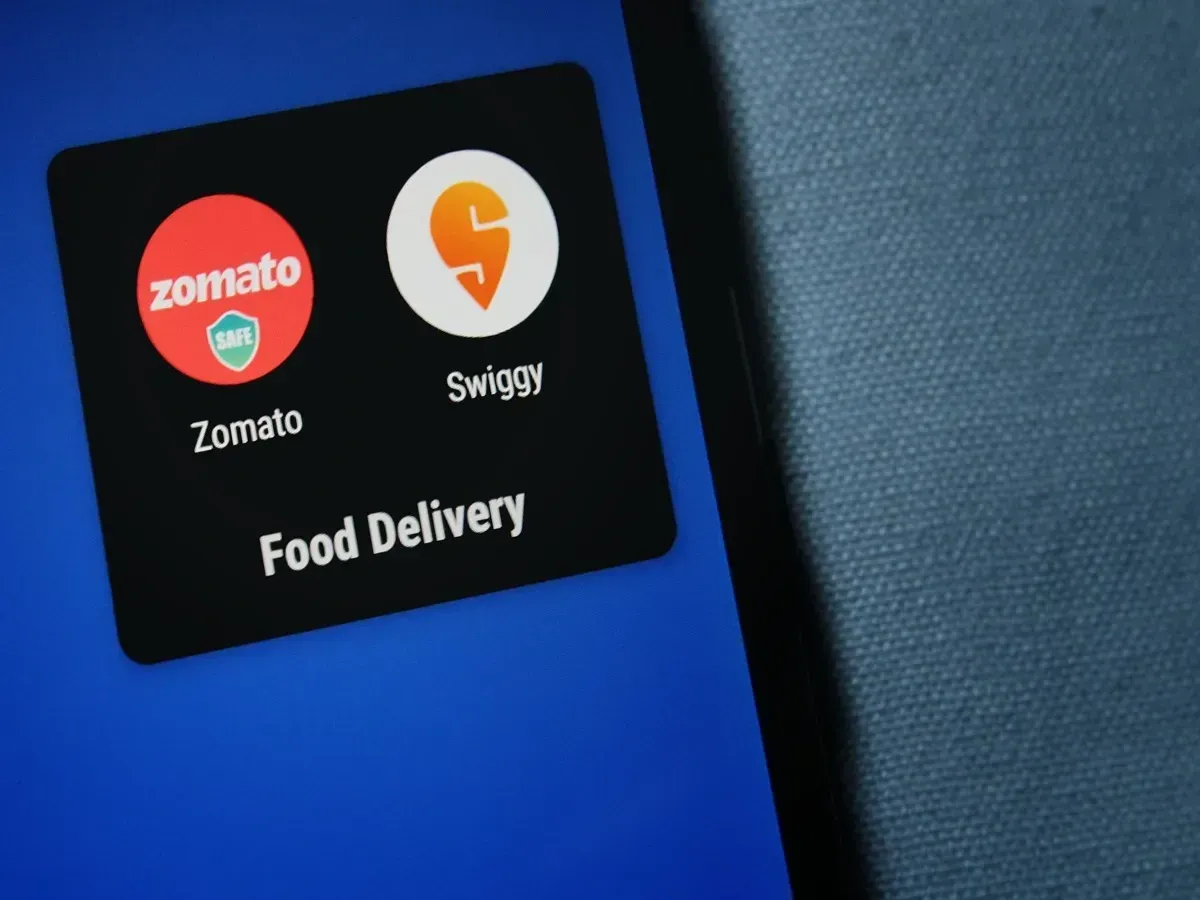
Major e-commerce and food delivery platforms across India faced disruptions on December 25 as gig workers went on strike protesting worsening work conditions, reduced commissions and lack of welfare protections.
Major e-commerce and food delivery platforms faced a major disruption on Thursday, December 25, as the gig workers observed strike over the alleged worsening work conditions and reduced commissions.
The strike, called by unions representing platform workers, is expected to again disrupt last-mile deliveries on the new year eve, a peak time for online shopping and food orders.
Why are they protesting?
Delivery workers allege they face long working hours, falling earnings, unsafe delivery targets, arbitrary suspension of work IDs and the absence of basic welfare protections.
“Despite being the backbone of last-mile delivery—especially during peak seasons and festivals—delivery workers are forced to endure long working hours…in the absence of basic welfare protections,” the Telangana Gig and Platform Workers Union said in a statement.
What are their demands?
Workers are demanding higher and more transparent pay structures, an end to 10-minute delivery service that they say endanger lives, and the withdrawal of penalties and account blocks imposed without due process.
They are also demanding improved safety gear, accident insurance, assured work allocation without algorithmic bias, mandatory rest breaks, stronger technical and grievance support, and access to health insurance, pension and other social security benefits.
They have called on central and state governments to regulate platform companies, enforce labour protections for gig workers and recognise their right to organise and collectively bargain.
“Delivery workers are being pushed to breaking point by unsafe work models, falling incomes and the total absence of social protection,” said Shaik Salauddin, founder president of the Telangana Gig and Platform Workers Union and national general secretary of the Indian Federation of App-Based Transport Workers.
“This strike is a collective call for justice, dignity, and accountability. The government can no longer remain a silent spectator while platform companies profit at the cost of workers’ lives,” he added.
India has been witnessing growing unrest among gig and platform workers in recent months over pay cuts, algorithmic management and lack of employment benefits, even as app-based companies expand rapidly in one of the world’s fastest-growing digital markets.
Steps taken by govt
The Union government last month put into effect four long-pending labour codes that consolidate 29 central labour laws, in what the government described as the country’s most significant overhaul of employment regulations in decades.
Gig and platform workers, covered for the first time in India’s labour framework, will receive social-security benefits funded partly through contributions of 1%–2% of an aggregator’s annual turnover, capped at 5% of payments made to such workers.
The government, in its Budget presentation for financial year 2025-26, announced several measures for the welfare of platform workers, including their registration on the e-Shram portal, issuance of identity cards, and extension of health care benefits under Ayushman Bharat-Pradhan Mantri Jan Arogya Yojana (AB-PMJAY).
By signing up you agree to Upstox’s Terms & Conditions

About The Author
Next Story