Business News
New refund rules, no TDR for e-tickets, flexible train boarding: What passengers should know
.png)
4 min read | Updated on March 24, 2026, 21:40 IST


SUMMARY
Train ticket cancellation rules: The revised rules are expected to curb speculative bookings, reduce last-minute cancellations, and improve ticket availability for genuine passengers.
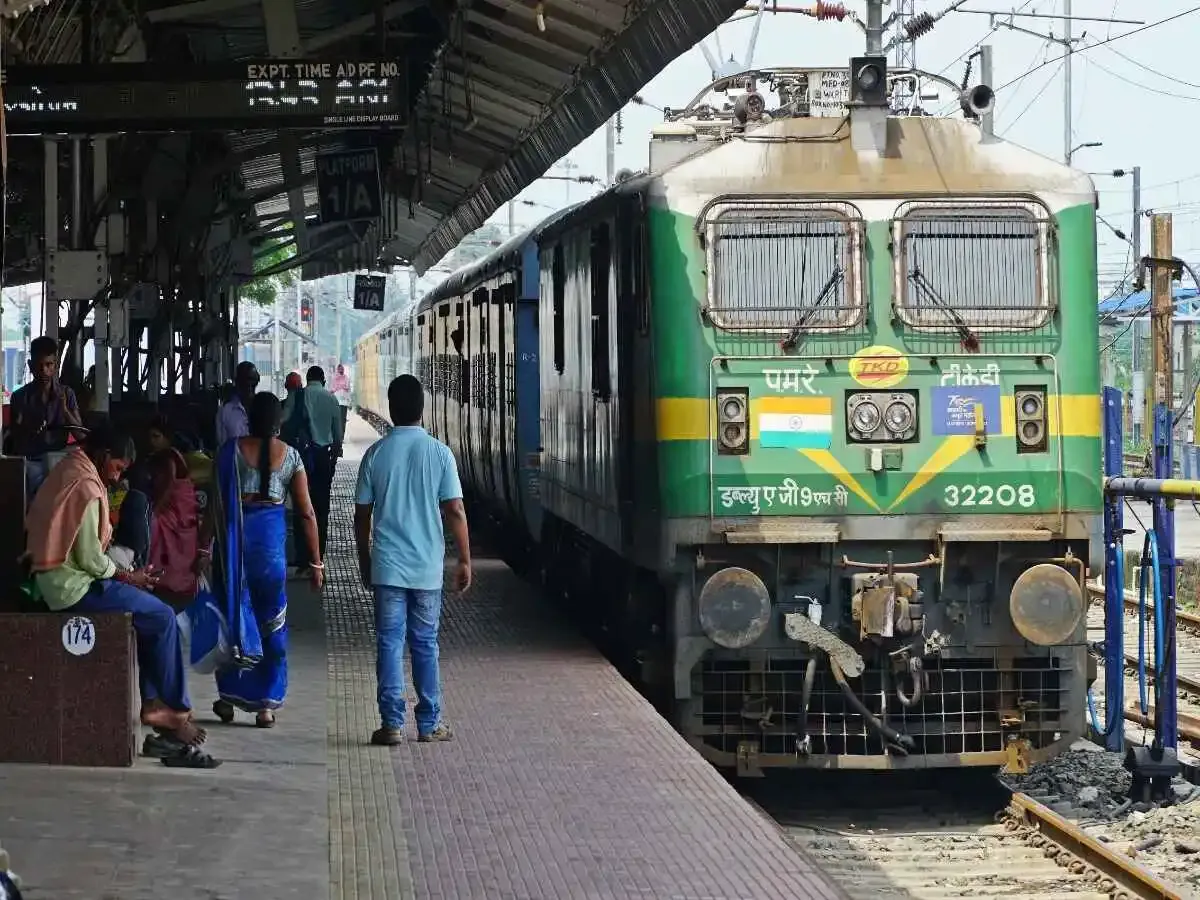
Under the new rules, full refunds (minus a flat fee) apply for cancellations made over 72 hours in advance.
Indian Railways has revised its ticket cancellation and refund rules by introducing new time slabs of 72, 24 and 8 hours before departure, replacing the earlier 48, 12 and 4-hour windows.
Announcing the decision on Tuesday, Railway Minister Ashwini Vaishnaw said the changes are part of the “Reform Express” initiative and will be implemented without any additional cost to passengers.
The move, Vaishnaw said, is intended at curbing last-minute speculative bookings and improving ticket availability for genuine passengers.
It is also expected to discourage last-minute cancellations that often block seats and distort availability, particularly in high-demand segments such as Tatkal bookings
What exactly has changed
A full refund -- except a flat cancellation charge per passenger -- will be given for cancellations made more than 72 hours before the train's departure.
The cancellation of train tickets between 24 and eight hours will incur a 50% deduction from the ticket cost. This is currently 12 to four hours.
Similarly, the Railways will deduct 25% of the ticket cost for cancellation between 72 and 24 hours before departure.
Under the existing policy, cancellations made between 48 and 12 hours incur a 25% deduction of the ticket cost, while a full refund will be given for cancellations made more than 48 hours in advance.
To be sure, the new refund rule has already been in force on Vande Bharat Sleeper and Amrit Bharat II trains launched after January this year.
By advancing the cancellation windows, Railways expects more tickets to return to the system in time for reallocation to waitlisted passengers.
The minister said the reform is backed by data analysis of booking patterns, which indicated that speculative reservations and bulk cancellations close to departure were affecting access for genuine travellers.
No TDR filing for e-tickets
As part of the passenger convenience measures, Indian Railways has also removed the requirement of filing a Ticket Deposit Receipt (TDR) for e-tickets. Such refunds will now be processed automatically upon cancellation.
Currently, passengers are required to file TDR to claim ticket refund when the train is cancelled by Railways, or they choose not to travel due to special circumstances like late running trains, AC failure, issues with the coach, among others.
Cancel counter tickets from anywhere
In another change, passengers holding counter tickets will be able to cancel them from any railway station across the country, instead of being restricted to the originating station.
Upgrading travel class
Passengers will also be allowed to upgrade their travel class up to 30 minutes before departure. Earlier, passengers could upgrade travel class only before the train's first chart.
"The first chart is released at least eight hours before the train's departure, and the second one between 15 and 30 minutes. Passengers can now upgrade their travel class 30 minutes before the train's departure. This facility is available only for counter ticket holders; online ticket purchasers are not allowed class upgradation," said a railway official.
Ease of boarding point
Vaishnaw said passengers will be given the freedom to change their boarding point 30 minutes before the train's scheduled departure.
Currently, a change of boarding point is allowed only before preparation of the first chart.
Explaining the reform, Vaishnaw said that if a passenger holds a confirmed ticket between station A and Z, and due to a sudden change in plan, he wants to change the boarding point from station A to B, with the new reform, the passenger will be able to digitally update his/her boarding point to B up to 30 minutes before the train leaves the origin station A.
The change of boarding point will have no impact on the ticket cost, an official said.
The revised rules are part of a larger set of measures announced by the government covering cargo, construction and passenger services, with a focus on improving efficiency, accountability and user experience across the railway network.
About The Author
Next Story