Business News
MSMEs get export boost as tax incentives extended to postal shipments from Jan 15
.png)
3 min read | Updated on January 16, 2026, 13:00 IST


SUMMARY
The Central Board of Indirect Taxes and Customs (CBIC) has extended key export incentive schemes to exports made through the postal channel, effective January 15.
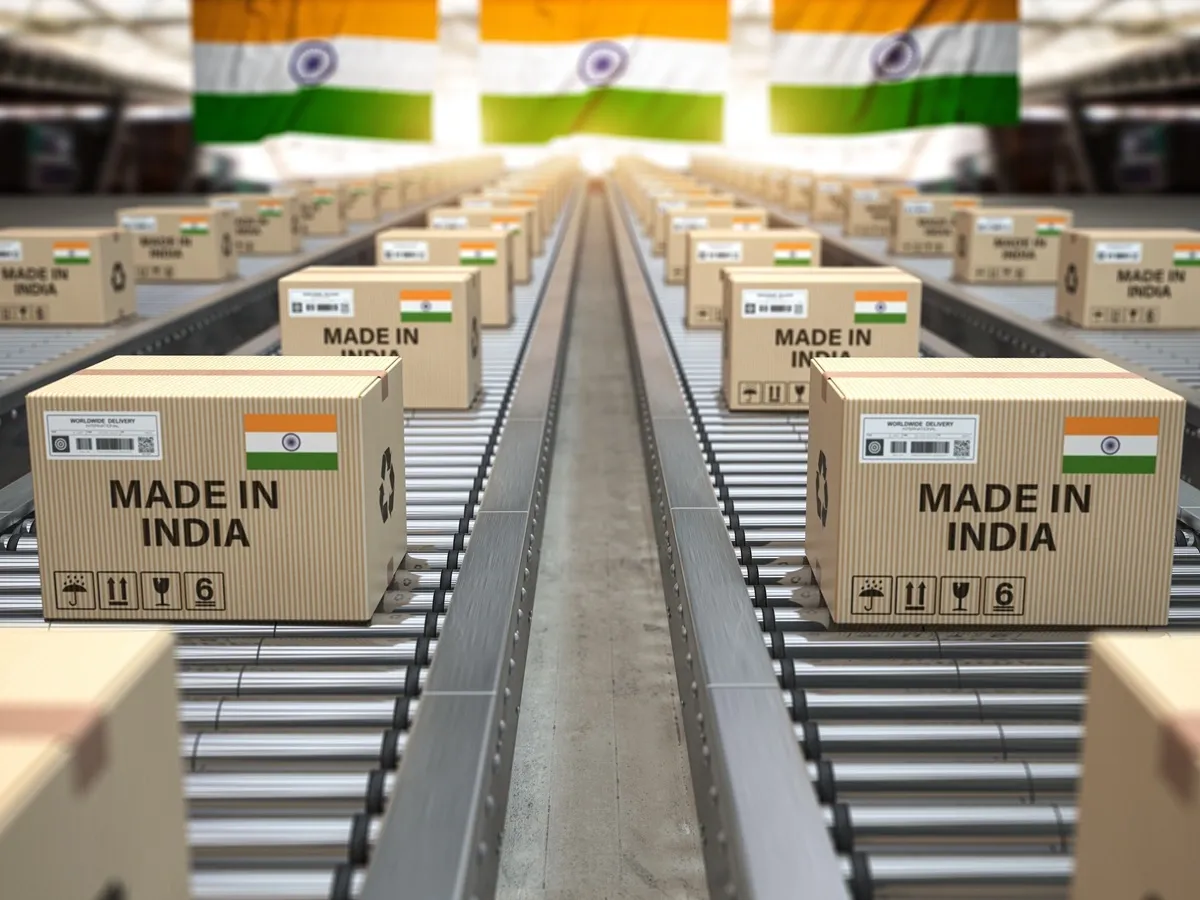
The move allows exporters using post offices to claim incentives electronically, placing postal shipments on par with courier and cargo exports.
The Central Board of Indirect Taxes and Customs (CBIC) on Friday said it has extended export incentive schemes like duty drawback, RoDTEP, and RoSCTL to postal shipments.
With this decision, exporters using the postal channel will be able to claim benefits under the duty drawback, remission of duties and Taxes on exported products (RoDTEP) and rebate of state and central taxes and levies (RoSCTL) schemes from January 15.
The decision is expected to improve the competitiveness of micro, small and medium enterprises (MSMEs), particularly those based in smaller towns and remote areas, by putting postal exports on par with courier and cargo shipments.
“This landmark measure aims to provide a level playing field for exporters using the postal channel and to create a conducive and inclusive ecosystem for the growth of cross-border e-commerce,” the finance ministry said in a statement.
CBIC amended the Postal Export (Electronic Declaration and Processing) Regulations, 2022, allowing exporters to claim incentives electronically for postal shipments. It issued a notification and a circular on January 15 outlining the operational framework for the changes.
EY India Tax Partner Saurabh Agarwal said that by extending RoDTEP and RoSCTL benefits to the postal route, the government has dismantled a long-standing compliance barrier for MSMEs in remote clusters.
"As we approach the Union Budget 2026, this reform signals a strong commitment to 'Ease of Doing Business' by turning post offices into a potential gateway for global commerce, ensuring India's 'Viksit Bharat' journey is inclusive and digitally driven," Agarwal said.
Over the past few years, the government has rolled out several policy initiatives and digital reforms to strengthen the e-commerce export ecosystem. The Foreign Trade Policy 2023 introduced a dedicated chapter on promoting cross-border trade in the digital economy, covering exports through courier, post, e-commerce export hubs and Dak Niryat Kendras.
India currently has 28 Foreign Post Offices (FPOs) notified under Section 7 of the Customs Act, 1962.
CBIC has undertaken several measures to strengthen cross-border trade through the postal and courier modes. The Postal Export (Electronic Declaration and Processing) Regulations, 2022, enable end-to-end electronic processing of export declarations for postal exports.
CBIC, in collaboration with the Department of Posts, launched a ‘hub and spoke’ model in December 2022, under which more than 1,000 Dak Niryat Kendras have been set up across the country to support MSMEs and small exporters.
“The extension of export incentives to postal shipments marks another important milestone in the Government’s ongoing efforts to simplify procedures, reduce costs, and promote inclusive growth of India’s exports, strengthening the country’s position in the rapidly evolving global e-commerce landscape,” the ministry said.
By signing up you agree to Upstox’s Terms & Conditions

About The Author
Next Story