Business News
Is India-US interim trade deal finally within reach? Commerce secretary's 'sooner than later' hint
.png)
3 min read | Updated on December 24, 2025, 12:32 IST


SUMMARY
While the US is seeking duty concessions on agricultural and industrial products, India has resisted opening sensitive sectors such as agriculture and dairy.
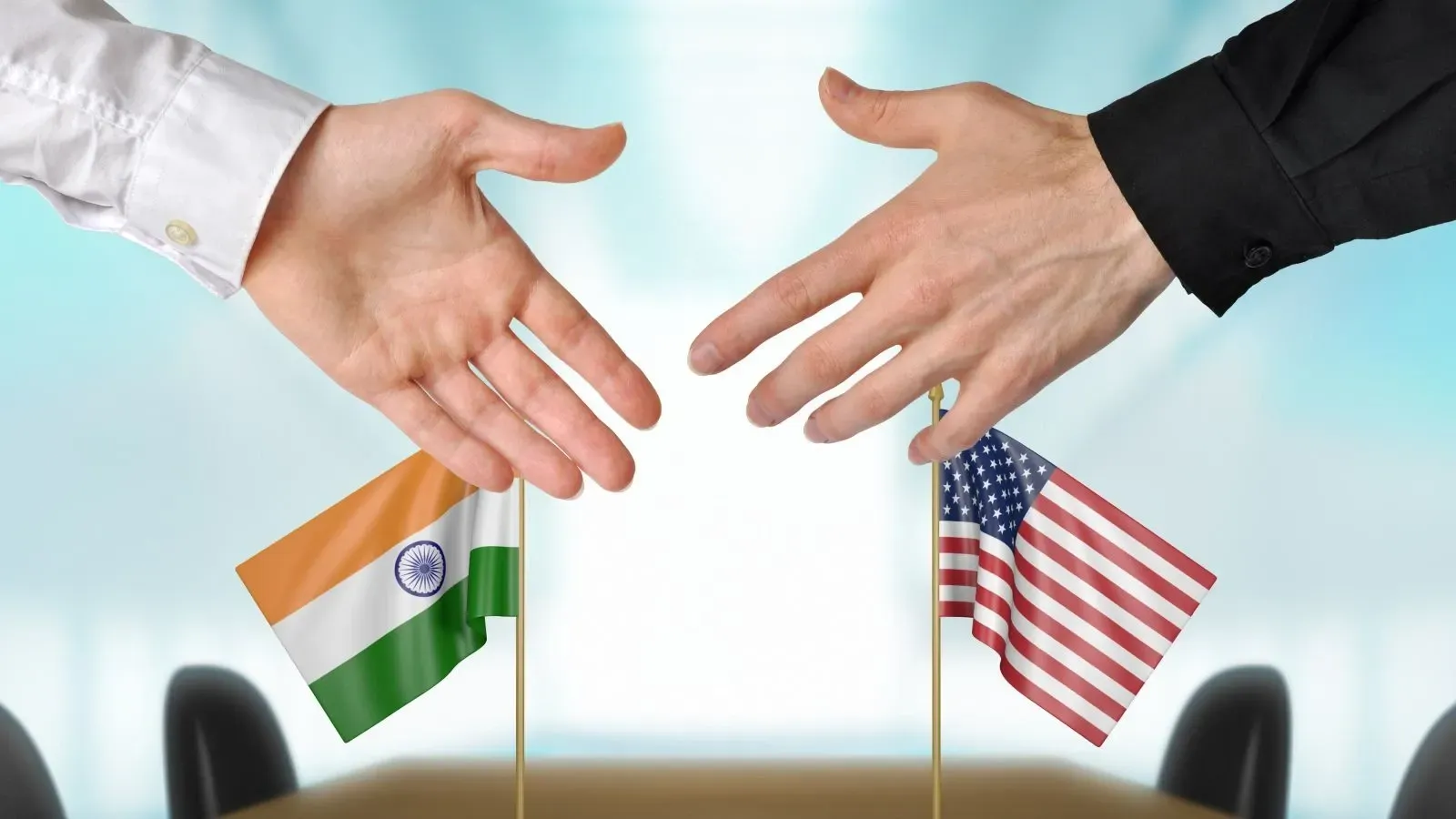
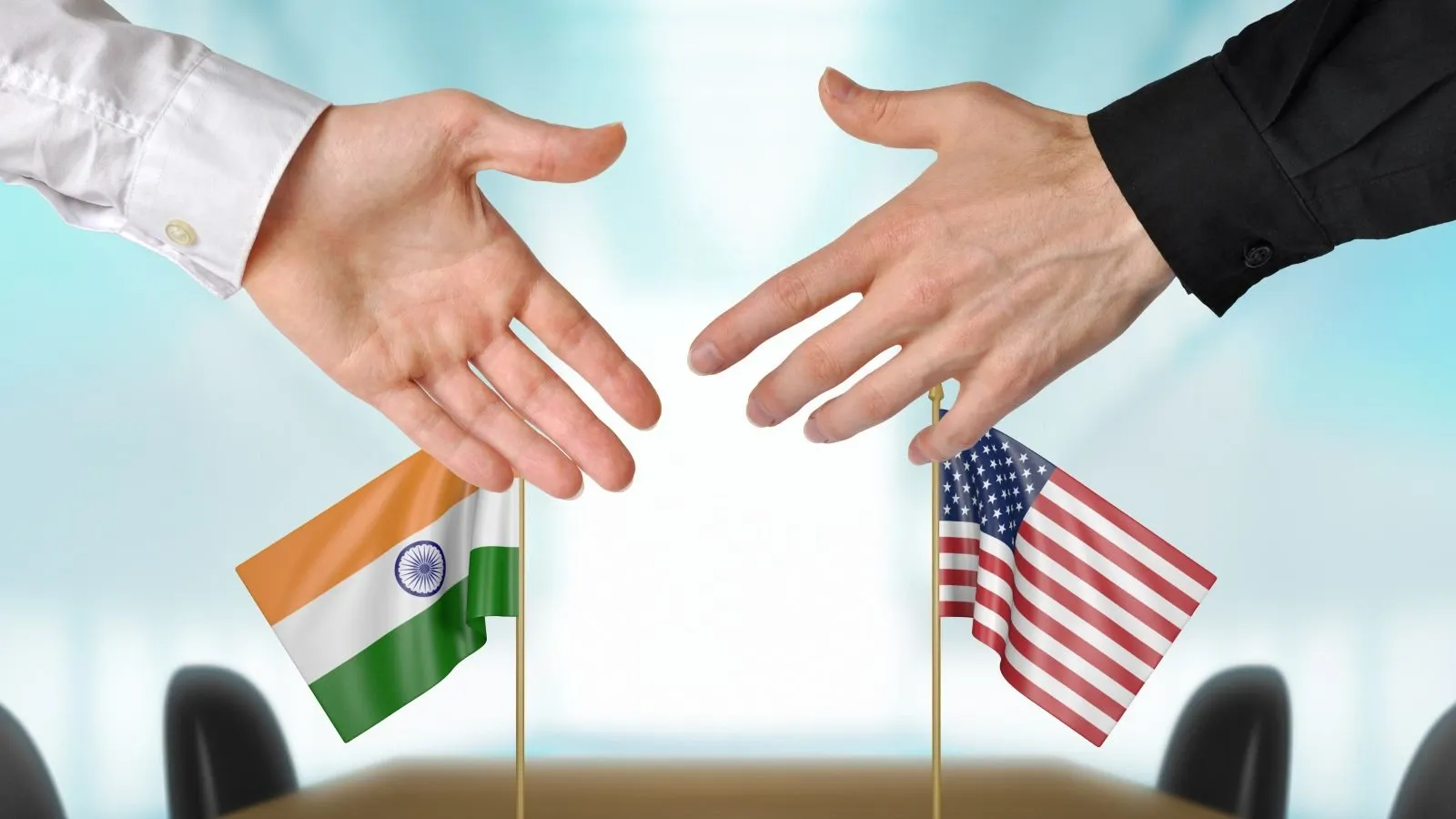
The negotiations aim to double bilateral trade to USD 500 billion by 2030. Image: Shutterstock
India is actively engaged in trade discussions with the United States and hopes to conclude the talks “sooner than later” in a way that restores deeper market access for domestic exporters, Commerce Secretary Rajesh Agrawal said on Tuesday.
Addressing exporters at a programme organised by the Federation of Indian Export Organisations (FIEO) here, Agrawal said India is deeply engaged with the US, its largest export market, which currently has the highest tariff barriers for Indian goods.
“We are also very deeply engaged with the United States, which is your biggest market…,” he said. “We hope sooner than later this is also something that we will be able to close in a way that will give deeper access in the US also, and we are able to trade what we used to do.”
Commerce and Industry Minister Piyush Goyal on Monday said India is at an advanced stage of negotiations for a bilateral trade agreement with the US.
US Deputy Trade Representative Rick Switzer was recently in India with his team to review the progress of talks. The latest round of two-day discussions concluded on December 11.
The negotiations are aimed at finalising the first tranche of the proposed Bilateral Trade Agreement (BTA).
The talks have gained urgency after the Donald Trump administration imposed steep tariffs of up to 50% on Indian goods entering the American market.
Agrawal last week said India is “very close” to finalising an initial framework or interim trade deal with the US to lower reciprocal tariffs, though he declined to specify a timeline.
“There’s a fair expectation that both countries will be able to agree to a deal to lower reciprocal tariffs,” he had said, noting that negotiations at the final stage do not always require formal, structured rounds.
According to experts, resolution of these tariffs would be key to firming up the first phase of the trade deal.
Under the proposed pact, the US is seeking duty concessions on agricultural products such as almonds, corn and apples, as well as industrial goods. India has strongly opposed concessions in agriculture and dairy, maintaining it will not compromise the interests of farmers and MSMEs.
So far, six rounds of negotiations have been held. The agreement aims to more than double bilateral trade to USD 500 billion by 2030 from the current USD 191 billion.
The US remained India’s largest trading partner for the fourth consecutive year in 2024-25, with bilateral trade valued at USD 131.84 billion, including USD 86.5 billion in exports.
After contracting for two consecutive months, India’s merchandise exports to the US rose 22.61% to USD 6.98 billion in November despite high tariffs, while imports jumped 38.29% to USD 5.25 billion, according to commerce ministry data. During April-November this fiscal, exports to the US grew 11.38% to USD 59.04 billion, while imports increased 13.49% to USD 35.4 billion.
Agrawal said global trade uncertainties could make India’s target of achieving USD 2 trillion in exports by 2030 “a little bit difficult”, but stressed that the country should move as close as possible to the goal.
"But definitely, we should take a leap towards it... even if we do not reach, we will be somewhere near, and we will reach it thereafter," he said.
He said India’s exports of goods and services touched USD 562 billion during April-November this fiscal, up from USD 529 billion a year ago.
Related News
By signing up you agree to Upstox’s Terms & Conditions

About The Author
Next Story