Business News
Iranian military rejects Trump’s claim of talks with 'right people': 'Negotiating with yourself?'
.png)
3 min read | Updated on March 25, 2026, 14:33 IST


SUMMARY
The conflict has severely disrupted the strait, through which about one-fifth of global oil and LNG flows, triggering a major global energy shock and pushing up fuel prices.
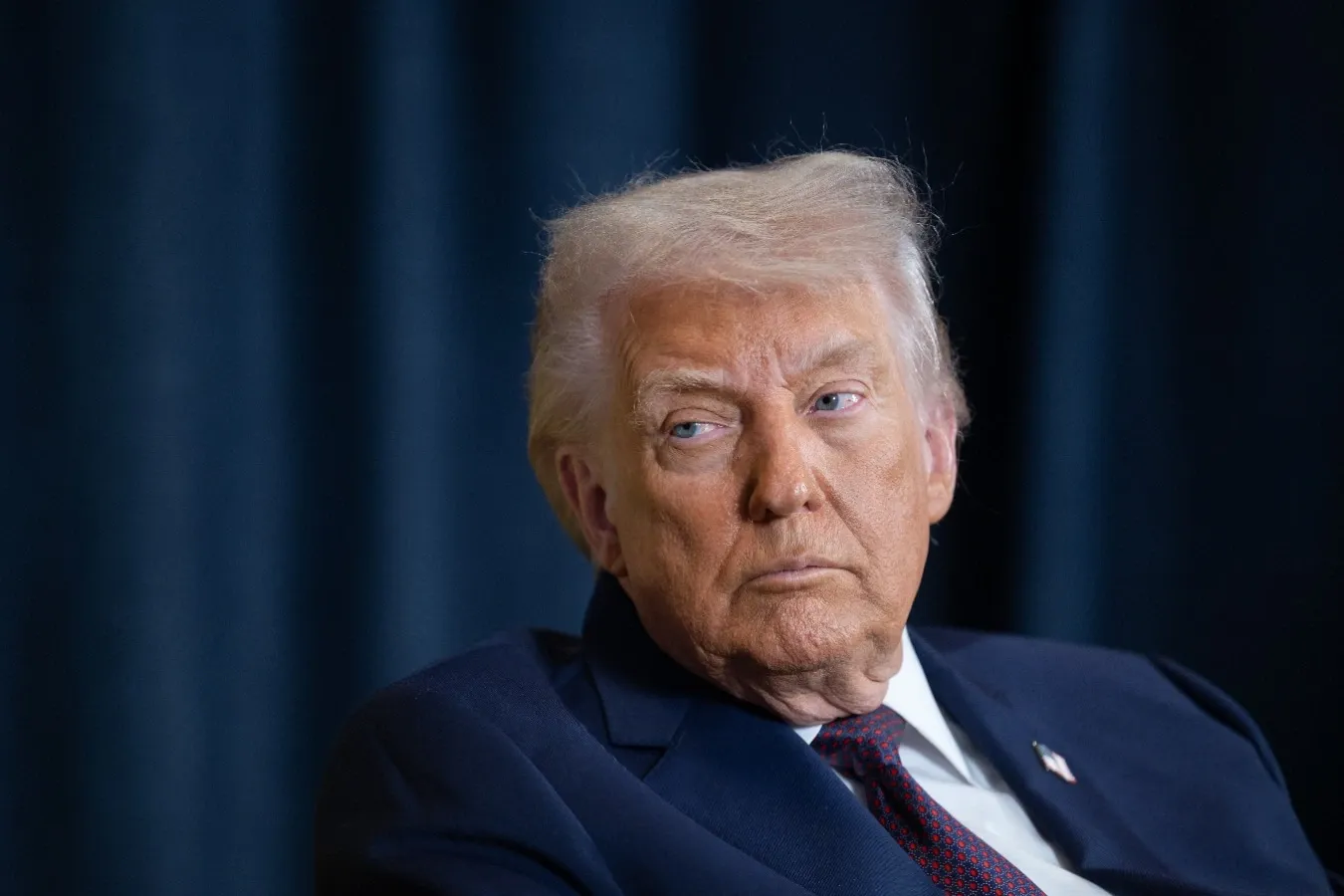
US President Donald Trump had claimed that the United States was in discussions with “the right people” in Iran and that Tehran was eager to reach a deal. Image: Shutterstock
Iran on Wednesday dismissed US President Donald Trump’s assertion that Washington is negotiating an end to the war, saying that the United States was “negotiating with itself”.
“The strategic power you boasted about has turned into a strategic defeat,” Iran’s senior military spokesperson Ebrahim Zolfaqari said on state television, in remarks laced with defiance. “Do not call your defeat an agreement.”
“Has the level of your inner struggle reached the stage of you (Trump) negotiating with yourself?” he added.
His comments directly contradicted Trump, who told reporters at the White House on Tuesday that the United States was in discussions with “the right people” in Iran and that Tehran was eager to reach a deal.
The New York Times reported that Washington had sent Iran a 15-point proposal, while Israel’s Channel 12 said the United States was seeking a month-long ceasefire to discuss the plan.
The proposal, reportedly conveyed via Pakistan, includes dismantling Iran’s nuclear program, halting support for regional proxy groups such as Hezbollah, and reopening the Strait of Hormuz.
"People like us can never get along with people like you," Zolfaqari said.
"As we have always said ... no one like us will make a deal with you. Not now. Not ever."
Iran’s Foreign Ministry spokesperson Esmaeil Baghaei said there was no dialogue with Washington, citing what he described as Tehran’s “very bad experience with American diplomacy,” including past instances where attacks occurred during high-level talks.
Strait of Hormuz disruption fuels global crisis
The conflict has had sweeping economic consequences, particularly after Iran effectively shut down the Strait of Hormuz, through which roughly one-fifth of the world’s oil and liquefied natural gas normally flows.
Since the US launched its military campaign, dubbed “Operation Epic Fury,” in February, Iran has struck Gulf energy infrastructure and targeted countries hosting US bases.
The disruption has triggered an unprecedented global energy supply shock, sending fuel prices sharply higher and disrupting industries from aviation to manufacturing.
Asia, which buys more than 80% of the crude passing through the strait, has been hit hardest.
Prime Minister Narendra Modi on Tuesday announced the constitution of seven empowered groups to deal with potential long-term impacts of the West Asia war.
In a statement in the Rajya Sabha, Prime Minister Narendra Modi said India was in constant touch with all parties, including Iran, Israel and the United States, to stress de-escalation.
While admitting to the unprecedented challenges the war is posing for India in terms of supply of essential goods, including crude, gas and fertilisers, the Prime Minister said going forward "self-reliance was the only option".
About The Author
Next Story