
Business News
India’s pharma China problem isn’t over: NITI Aayog flags heavy API dependence

2 min read | Updated on June 24, 2026, 13:08 IST


SUMMARY
India imported $7.4 billion worth of APIs in 2025, with the top five product categories accounting for nearly 84% of total imports.
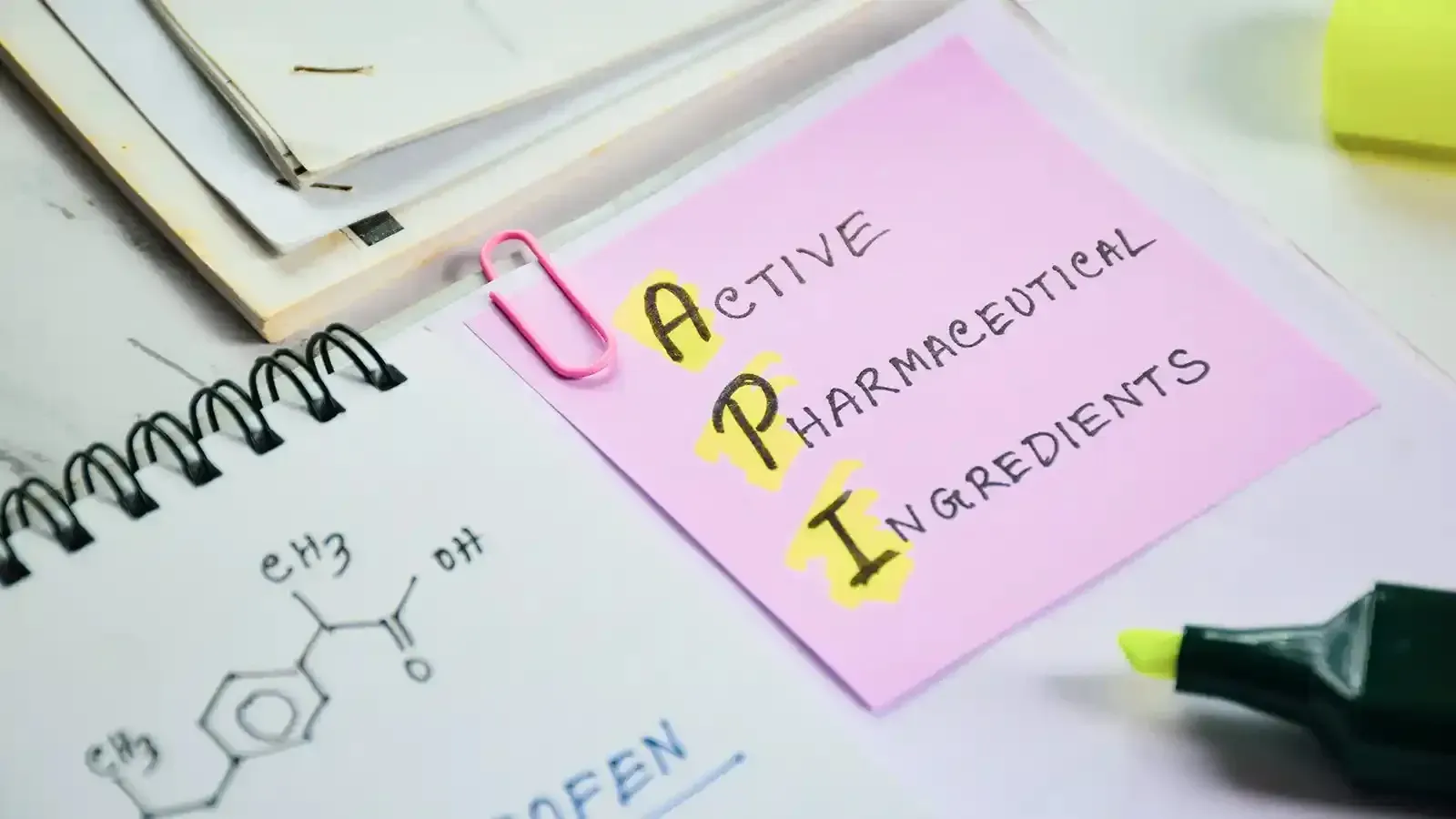
China remained the dominant supplier across these categories, with market shares ranging from 65% to 86%. Image: Shutterstock
India has strengthened its position in several specialised chemical intermediates and antibiotics, but continues to depend heavily on China for active pharmaceutical ingredients (APIs), according to NITI Aayog’s latest quarterly Trade Watch report.
India imported $7.4 billion worth of APIs in 2025, with the top five product categories accounting for $6.2 billion, or nearly 84% of total API imports.
China was the main supplier across those categories, with its share ranging from 65% to 86%/
“The top five supplying countries accounted for over four-fifths of imports across the leading API categories, with China serving as the principal source,” the report said.
Nitrogen heterocyclic compounds emerged as the largest import category with imports of $2.3 billion, accounting for 31.9% of total API imports, followed by antibiotics at $1.9 billion, or 26.1%.
Amino compounds contributed 11.5%, while oxygenated carboxylic acids and heterocyclic compounds with oxygen accounted for around 7% each.
“Together, the top two categories constituted nearly 58% of India’s API import basket, indicating concentration in a narrow range of pharmaceutical inputs,” the report said.
China accounted for 76.4% of India’s imports of nitrogen heterocyclic compounds and 86.1% of antibiotics, while its share remained above 65% in the other leading product groups, the report said.
"This dominance reflects China’s established scale advantages, integrated chemical manufacturing ecosystem, and cost competitiveness in bulk pharmaceutical ingredients," NITI Aayog said.
APIs imported from China are estimated to be 35%-40% cheaper than domestically produced alternatives, affecting the commercial viability of local API manufacturing and contributing to the closure of some domestic production facilities, it said.
The findings highlight a persistent vulnerability for India despite the government’s incentive schemes and bulk drug park initiatives to boost local manufacturing of key starting materials, drug intermediates and APIs.
“Although the sector’s growing participation in global value chains is evident from rising domestic value addition,” the report said, “strengthening domestic capabilities in critical APIs, key starting materials, and biotechnology inputs remains essential to improving supply chain resilience and reducing import dependence.”
India’s pharmaceutical sector contributes more than 1.7% to gross domestic product, 7.2% of manufacturing gross value added and supports about 2.7 million livelihoods, the report said.
“The high degree of product and supplier concentration underscores continued external dependence in critical pharmaceutical inputs and highlights the importance of ongoing efforts to strengthen domestic API manufacturing capacity and diversify sourcing channels,” it added.
About The Author
Next Story

