Business News
India's data centre capacity to more than double by FY27, on rising digitalisation: Crisil Ratings

3 min read | Updated on December 23, 2024, 19:26 IST


SUMMARY
In addition to the ongoing demand, the Crisil report said that the rapid advancement of GenAI, which requires higher computational power and low latency than traditional cloud computing functions, will also provide a tailwind to the data centre demand in India.
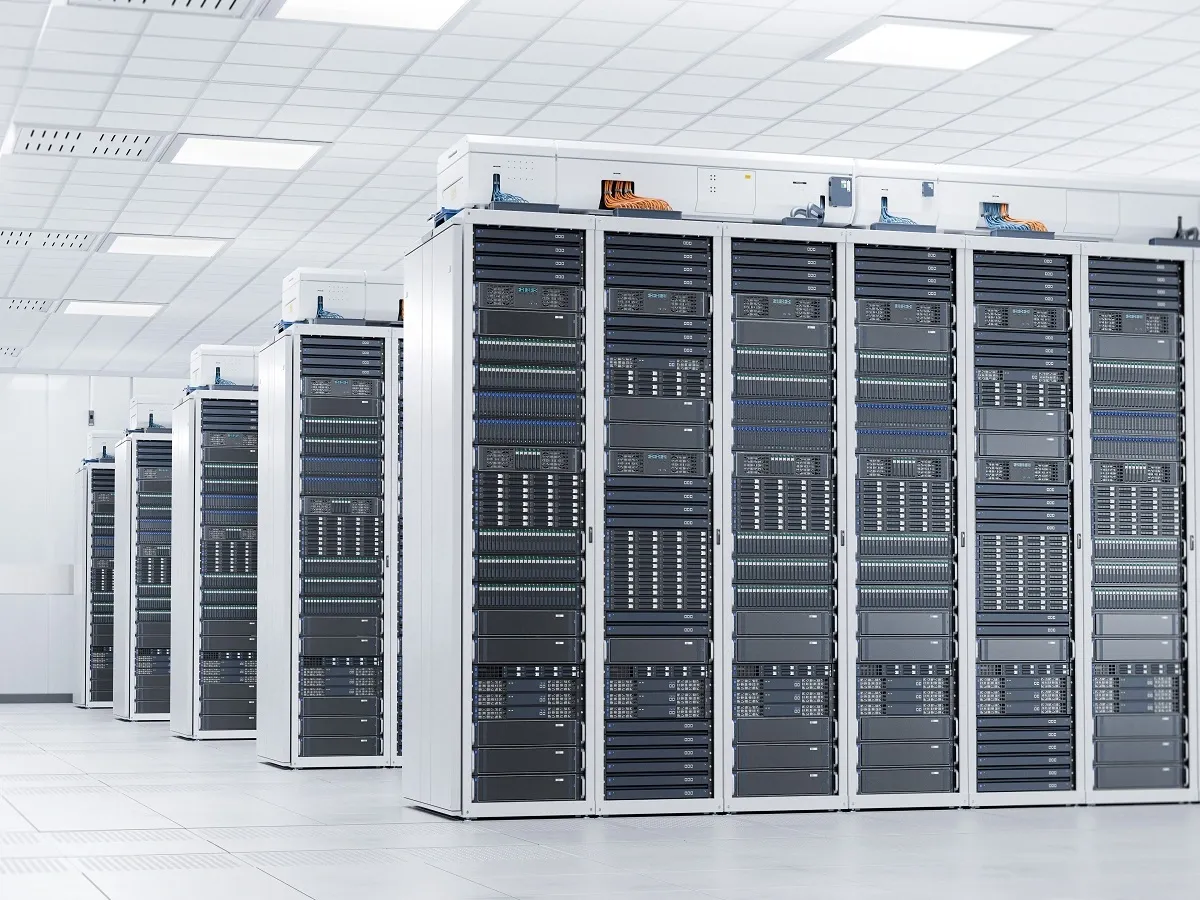
The capacity additions are driven by expansion plans of existing players as well as the entry of new players
India's data centre capacity is set to more than double to 2-2.3 GW by 2026-27, led by increasing digitalisation as organisations increase their investments in cloud storage, Crisil Ratings said in a report on Monday.
Further, the report stated that the rising penetration of Generative Artificial Intelligence (GenAI) will drive the demand over the medium term.
To support the strong demand, the incremental capital expenditure would be supported by a higher proportion of debt funding, which will result in a moderate increase in debt levels, it said.
Data centres cater to the computing and storage infrastructure demand as enterprises rapidly shift their businesses to digital platforms, including the cloud, a trend that has accelerated after the Covid-19 pandemic, it said.
The other major factor is that increased accessibility of high-speed data has led to a surge in internet usage, including social media, over-the-top (OTT) platforms and digital payments, it added.
Notably, mobile data traffic logged a compound annual growth rate (CAGR) of 25% over the last five fiscal years, standing at 24 GB per month at end-fiscal 2024, and is expected to rise to 33-35 GB by FY26, the Crisil Ratings report said.
In addition to the ongoing demand, it said that the rapid advancement of GenAI, which requires higher computational power and low latency than traditional cloud computing functions, will also provide a tailwind to the data centre demand in India.
"To meet the growing data centre demand, an investment of ₹55,000-65,000 crore is required over the next three fiscal years, primarily towards land and building, power equipment and cooling solutions.
"Data centre operators typically build infrastructure - land and building, which account for 25-30% of overall capex - with the expectation of future tie-ups," Crisil Ratings Senior Director and Deputy Chief Ratings Officer Manish Gupta said.
The capacity additions are driven by expansion plans of existing players as well as the entry of new players, said the report.
"Once capacities are tied up, data centres benefit from predictable cash flows backed by a stable client base resulting in low churn rates. This is due to high switching costs for customers on account of their investments and possible business disruptions when switching.
"Amid significant capex plans for expansion, the debt-to-earnings before interest, tax, depreciation and amortisation (EBITDA) ratio of data centre operators is expected to increase to 5.4x this fiscal from 5x last fiscal, before improving from next fiscal as capacity utilisation ramps up," Crisil Ratings Director Anand Kulkarni said.
About The Author
Next Story