Business News
IndiGo crisis: Is India’s airline duopoly a problem for airport operators? Jeet Adani weighs in
.png)
3 min read | Updated on December 23, 2025, 11:05 IST


SUMMARY
Adani Group’s airport business director Jeet Adani said monopoly or duopoly in India’s airline sector is not a concern for airport operators as long as they retain negotiating power.
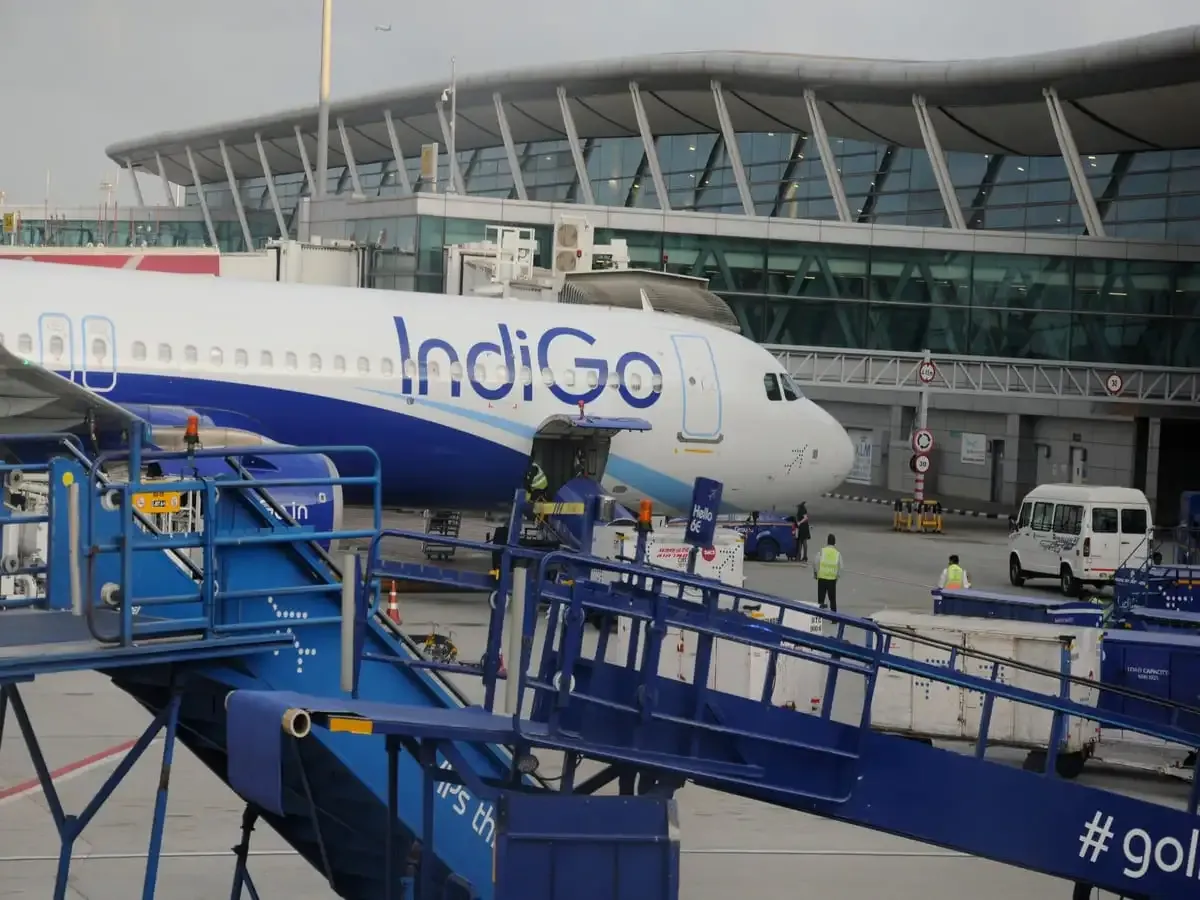
The airline's On-Time Performance (OTP) nosedived to 19.7% at six key airports—Delhi, Mumbai, Chennai, Kolkata, Bengaluru and Hyderabad on December 3. Image: Shutterstock
Monopoly or duopoly in the airline sector is not a concern for airport operators as long as they retain negotiating power, Adani Group’s airport business director Jeet Adani said, weighing in on renewed debate over market concentration after a recent crisis at IndiGo.
The issue of duopoly in India’s fast-growing aviation market resurfaced after IndiGo, which carries about 65% of domestic passengers, cancelled thousands of flights in the first week of December, triggering a chaos at airports across the country and sharp spike in airfares.
“Not really… not for us. A duopoly only becomes a cause for concern when you don’t have negotiating power,” Adani said when asked about the impact of market concentration in airlines on airport operators.
India’s airline sector has seen repeated consolidation over the past decade following the collapse of carriers such as Jet Airways, Kingfisher Airlines and GoFirst, and the integration of the Tata Group’s aviation businesses that led to the merger of AirAsia India into Air India Express and Vistara into Air India.
As a result, IndiGo and the Air India group together command more than 90% of the domestic market, leaving only a small share for carriers such as SpiceJet and Akasa.
The crisis at IndiGo was largely due a severe pilot shortage after it failed to hire enough staff to meet new government norms aimed at tackling pilot fatigue.
Aviation regulator DGCA granted the airline a temporary exemption from certain duty limits but also summoned its chief executive Peter Elbers to explain the cancellations. The regulator later ordered IndiGo to cut 5% of its planned flights, and the government doubled it to 10%.
Air India, IndiGo’s main rival, has also been under increased regulatory scrutiny following a crash involving a Boeing 787 Dreamliner in Ahmedabad in June. The carrier subsequently suspended 83 flights for six weeks to complete government-mandated safety checks on its fleet.
Despite these setbacks, both IndiGo and Air India are pressing ahead with aggressive expansion plans, having placed orders for hundreds of Airbus and Boeing aircraft each.
"Because of the nature of the two businesses (one airline and the other airport), I think there is equal negotiating power across both sides, regardless of a duopoly or a monopoly," Adani said.
The Adani Group currently operates seven airports, including Mumbai, one of the country’s most capacity-constrained hubs.
The Navi Mumbai airport, also being developed by the group, is scheduled to start commercial operations from December 25.
Getting slots at busy airports is one of the challenges for airlines as they look to expand and have more connectivity from metro airports like the Mumbai airport, which is a capacity-constrained airport.
About The Author
Next Story