Business News
IEA consults Asia, Europe on more oil reserves release amid Hormuz crisis
.png)
3 min read | Updated on March 23, 2026, 13:46 IST


SUMMARY
The International Energy Agency (IEA) is consulting governments in Asia and Europe on a potential additional release of emergency oil reserves as the West Asia conflict continues to disrupt global energy markets.
Executive Director Fatih Birol said the agency is assessing market conditions after already coordinating a release of 400 million barrels on March 11 to stabilise supplies.
The International Energy Agency (IEA) is consulting governments in Asia and Europe on the possible release of additional emergency oil stocks if necessary, its Executive Director Fatih Birol said on Monday, as the ongoing Iran war continues to disrupt global energy markets.
“If it is necessary, of course, we will do it. We look at the conditions, we will analyse, assess the markets and discuss with our member countries,” Birol said at the National Press Club in Canberra at the start of a world tour.
The Paris-based energy watchdog’s member countries had earlier agreed on March 11 to release 400 million barrels of oil from emergency reserves to stabilise markets hit by supply disruptions linked to the West Asia conflict.
The decision followed an extraordinary meeting of IEA member governments to assess the impact of the war on global oil supplies.
The coordinated stock draw marked the sixth such action by the agency since its establishment in 1974.
Birol said there is no specific crude price threshold that would automatically trigger another release of reserves.
“A stock release will help to comfort the markets, but this is not the solution. It will only help to reduce the pain in the economy,” he said.
Describing the Middle East crisis as “very severe”, Birol said its impact exceeds that of the oil shocks of the 1970s combined with the fallout of the Russia-Ukraine war on gas markets.
“The single most important solution to this problem is opening the Hormuz Strait,” he said, underscoring the strategic importance of the key shipping route for global energy supplies.
Birol also stressed that stockpile releases are only one of several measures available to the IEA to address the crisis.
“We also recently provided some suggestions to countries around the world, how they can also reduce the demand, and in addition to those, the international energy diplomacy is our work,” he added.
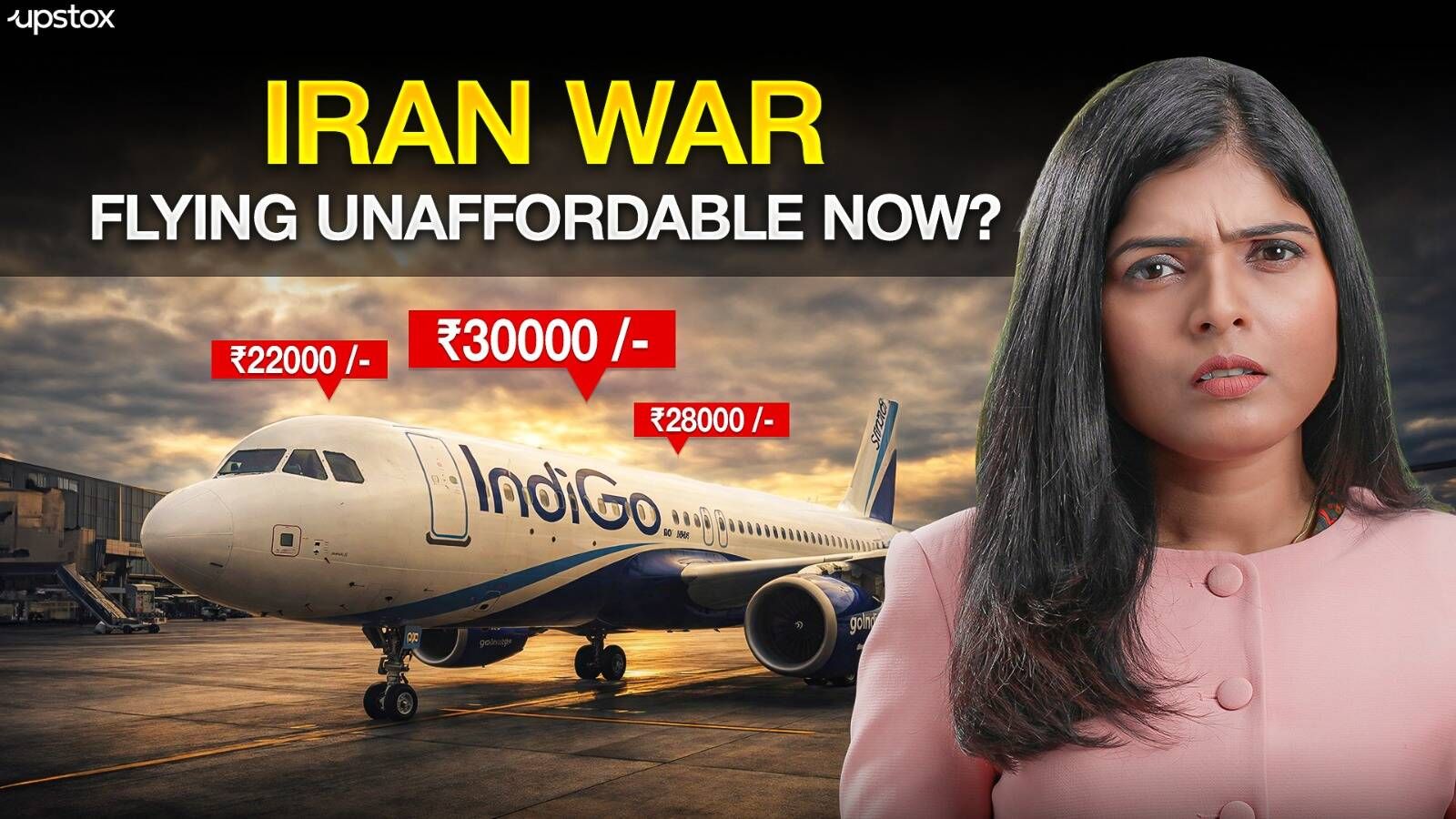
The IEA has advocated a set of immediate demand-side measures, including work-from-home, lower speed limits, and reduced air travel to cushion the impact of a historic global oil supply shock triggered by disruptions in the Middle East.
"Working from home displaces oil use from commuting, particularly where jobs are suitable for remote work. Highway speed limits should be reduced by at least 10 km/h as lowering speed reduces fuel use for passenger cars, vans and trucks. A shift from private cars to buses and trains can quickly reduce oil demand," IEA said in a new report.
Earlier, in remarks during a meeting with Australian Prime Minister Anthony Albanese, Birol described the situation as “the greatest global energy security threat today”, affecting oil, natural gas and critical sectors such as petrochemicals and fertilisers.
He said the March 11 release of 400 million barrels had helped provide some relief to markets, and thanked Australia and other countries for their contribution to the coordinated effort.
Birol said Asia remains at the forefront of the current energy challenge, adding that he is engaging with governments across the Middle East, North America, Europe and Asia as part of ongoing diplomatic efforts.
About The Author
Next Story