
Business News
How long will it take for petrol, diesel prices to ease after US-Iran deal?

4 min read | Updated on June 17, 2026, 17:46 IST


SUMMARY
The price for a barrel of Brent crude has fallen below $80 amid optimism that a tentative US-Iran deal on their war will reopen the Strait of Hormuz at the end of the week and get the global flow of oil going again.
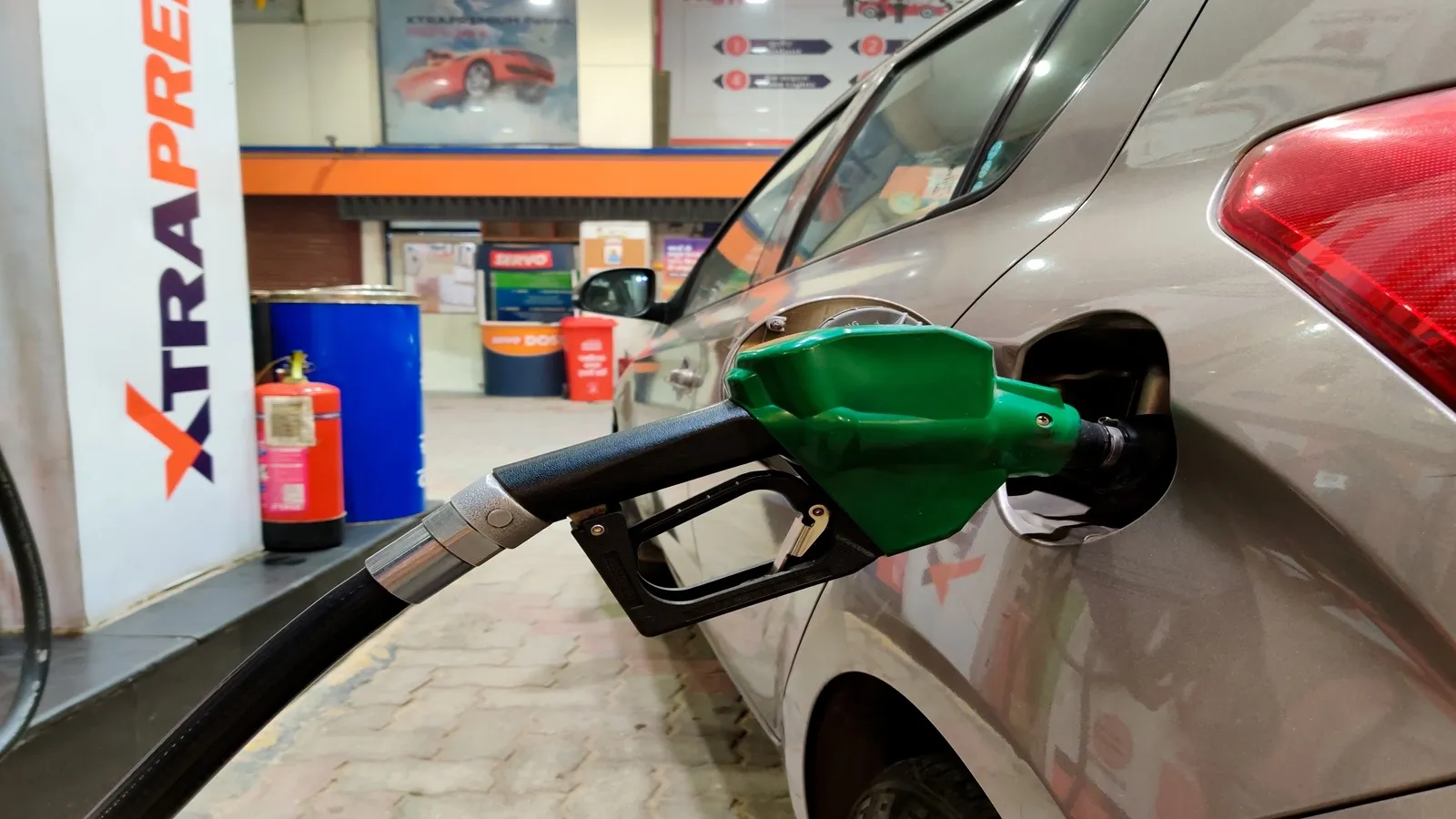
The consecutive fuel price hikes come after a long period of unchanged retail rates and amid persistently high crude oil prices in the global market. Image: Shutterstock
Crude oil prices have declined sharply from their recent highs amid optimism over a tentative US-Iran peace deal, but Indian consumers may have to wait several weeks or even months before seeing any meaningful relief in petrol and diesel prices.
US President Donald Trump on Sunday declared that a peace deal with Iran had been completed and said the Strait of Hormuz would reopen upon the signing of the agreement on Friday, June 19.
Crude prices tumble over deal optimism
Brent crude, the global benchmark, slipped below $80 per barrel this week for the first time since early March, after touching over $100 a barrel just a few weeks ago amid supply disruptions linked to West Asia conflict.
Brent crude futures were trading at around $79.03 per barrel in the morning, while US benchmark West Texas Intermediate (WTI) crude was at $76.20 per barrel.
Brent prices have declined about 15% over the last five trading sessions and more than 27% over the past month as concerns eased over disruptions to oil shipments through the Strait of Hormuz.
However, analysts said the recent correction in crude prices may not immediately translate into lower retail fuel rates in India because state-owned fuel retailers had already procured crude and refined products at significantly higher prices.
Fuel prices remain elevated
Petrol and diesel prices were last raised on May 25, marking the fourth increase in less than two weeks, as oil marketing companies passed on the impact of soaring international crude prices.
In Delhi, petrol prices were increased by ₹2.61 per litre to ₹102.12, while diesel rose by ₹2.71 to ₹95.20 a litre.
The cumulative increase in fuel prices since May 15 exceeded ₹7.5 per litre.
According to notifications issued by Indian Oil Corporation, Bharat Petroleum Corporation Ltd and Hindustan Petroleum Corporation Ltd, petrol prices in Kolkata, Mumbai and Chennai rose to ₹113.51, ₹111.21 and ₹107.77 per litre, respectively.
Diesel rates increased to ₹99.82, ₹97.83 and ₹99.55 per litre in the three metros.
"The potential reopening of the Strait of Hormuz, amid signs of de-escalation in the West Asia conflict, has triggered a sharp decline in geopolitical risk premiums in energy markets," said Sehul Bhatt, Director, Crisil Intelligence.
Bhatt said the fall in crude prices, coupled with recent increases in domestic fuel prices and reductions in excise duties, had largely offset under-recoveries on automobile fuels, easing pressure on petrol and diesel marketing margins.
"The cumulative under-recovery on petrol, diesel and liquefied petroleum gas during March-May 2026 is estimated at approximately ₹1 lakh crore. If the Indian crude basket remains below $90 per barrel, under-recoveries are unlikely to increase materially from current levels," he said.
Lower crude prices would also help moderate inflationary pressures and reduce India's energy import bill, Bhatt added.
He, however, cautioned that energy markets may take time to stabilise fully.
"While the risk of prolonged supply disruption has eased, it may take several weeks or months for crude oil and LNG markets to fully normalise. In the near term, uncertainties around the implementation of the peace deal could continue to drive volatility in energy markets," Bhatt said.
Prashant Vasisht, Senior Vice President and Co-Group Head, Corporate Ratings at ICRA Ltd, said a successful US-Iran agreement would help cool crude and natural gas prices, but a return to pre-conflict levels may take much longer.
"Crude prices could take six months to one year to normalise to pre-war levels, given that almost 10-11 million barrels per day of production has been shut in West Asia, besides which some facilities have suffered damage," Vasisht said.
He said that the lifting of sanctions on Iranian crude would be beneficial for India because of geographical proximity and historically favourable credit terms offered by Tehran.
While the sharp correction in global crude prices has improved the outlook for fuel retailers, consumers expecting an immediate rollback in petrol and diesel prices may have to wait until oil marketing companies are satisfied that the decline in crude prices is durable and inventories bought at elevated rates have been largely absorbed.
About The Author
Next Story

