
Business News
Govt fact-checks E20 panic: No proof of ‘ants in fuel’; sugarcane juice in petrol claim baseless

3 min read | Updated on June 24, 2026, 09:07 IST


SUMMARY
The Ministry of Petroleum and Natural Gas said the ethanol blending programme is scientifically validated, closely monitored and has not resulted in widespread vehicle breakdowns since the introduction of E20 fuel.
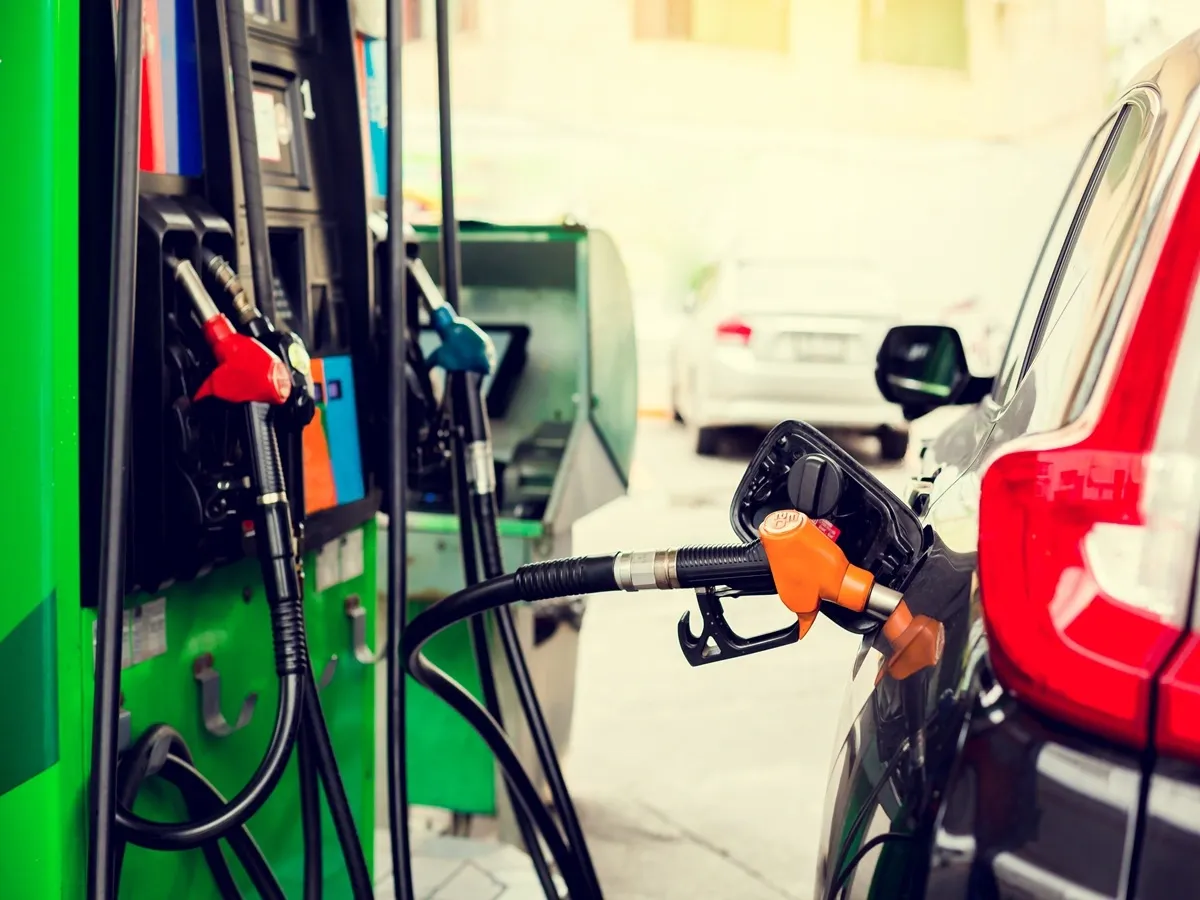
The government insists that E20 offers better acceleration, lower emissions, and supports farmers while saving foreign exchange.
The government on Tuesday dismissed a series of social media claims about ethanol-blended petrol as misleading and unsubstantiated, asserting that the programme is scientifically validated, closely monitored and has not led to any widespread vehicle-related issues.
The Ministry of Petroleum and Natural Gas said old images and videos were being recirculated on social media in an apparent attempt to create unwarranted concerns about ethanol-blended fuel and attract viewership through sensationalism.
"The Government of India has noted certain misleading and unsubstantiated claims being circulated on social media regarding Ethanol Blended Petrol (EBP), which appear to be aimed at confusing and misleading the public," the ministry said.
It said the ethanol blending programme has been implemented in phases to reduce crude oil imports, improve energy security and promote environmental sustainability.
The ministry said the programme is continuously monitored in consultation with oil marketing companies, automobile manufacturers, fuel testing agencies and other stakeholders.
"Since the introduction of E20 petrol, no widespread issues of engine failure or vehicle breakdown attributable to ethanol blending have been reported," it said.
Several posts related to the hygroscopic nature of ethanol were doing rounds on the internet, highlighting that ethanol pulls away from petrol and forms two distinct layers — an ethanol-water mix at the bottom and petrol on top— when water accidentally enters the fuel tank.
The ministry said water entering a fuel tank is undesirable for any fuel, whether ethanol blended or otherwise, and modern vehicles are equipped with safeguards to prevent such entry.
It also flagged videos circulating on social media that falsely portray sugarcane juice as being mixed directly with petrol, calling such content baseless and misleading.
The ministry said ethanol used for blending is produced through established industrial processes and meets stringent quality standards before being mixed with petrol.
"Ethanol is made from a variety of feedstocks, such as sugarcane juice, molasses, broken rice and maize, but the properties of ethanol are vastly different from the input feedstock" after undergoing processing, including fermentation, it said.
The ministry also referred to a recent viral video showing ants near a vehicle fuel tank and said Bharat Petroleum Corporation Ltd had clarified that fuel-grade ethanol contains no residual sugars and includes denaturants that repel insects.
"There is no identifiable attractant associated with E20 fuel that would cause ants or other insects to congregate around vehicle fuel caps," it said, adding that such claims had no scientific basis.
It further said claims that the use of E20 fuel could affect vehicle insurance validity had also been clarified by stakeholders and found to be incorrect.
The ministry said ethanol blending is a globally accepted practice and is being successfully implemented in countries such as the US, Brazil and Japan, with Brazil using E27 as its standard petrol blend.
Highlighting the benefits of the programme, it said ethanol blending has helped save more than ₹1.4 lakh crore in foreign exchange by cutting crude oil imports and has created sustained demand for agricultural feedstocks, supporting farmers' incomes and the rural economy.
The government said ethanol blending remains an important part of India's efforts to improve energy security, lower carbon emissions and move towards cleaner mobility.
About The Author
Next Story

