Business News
From Scotch whisky to Jaguars: What will get cheaper in India after UK trade deal; check list
.png)
4 min read | Updated on July 24, 2025, 18:21 IST


SUMMARY
Items likely to become cheaper in India include Scotch whisky, luxury cars such as Jaguar and Land Rover models, medical devices, and aerospace components.
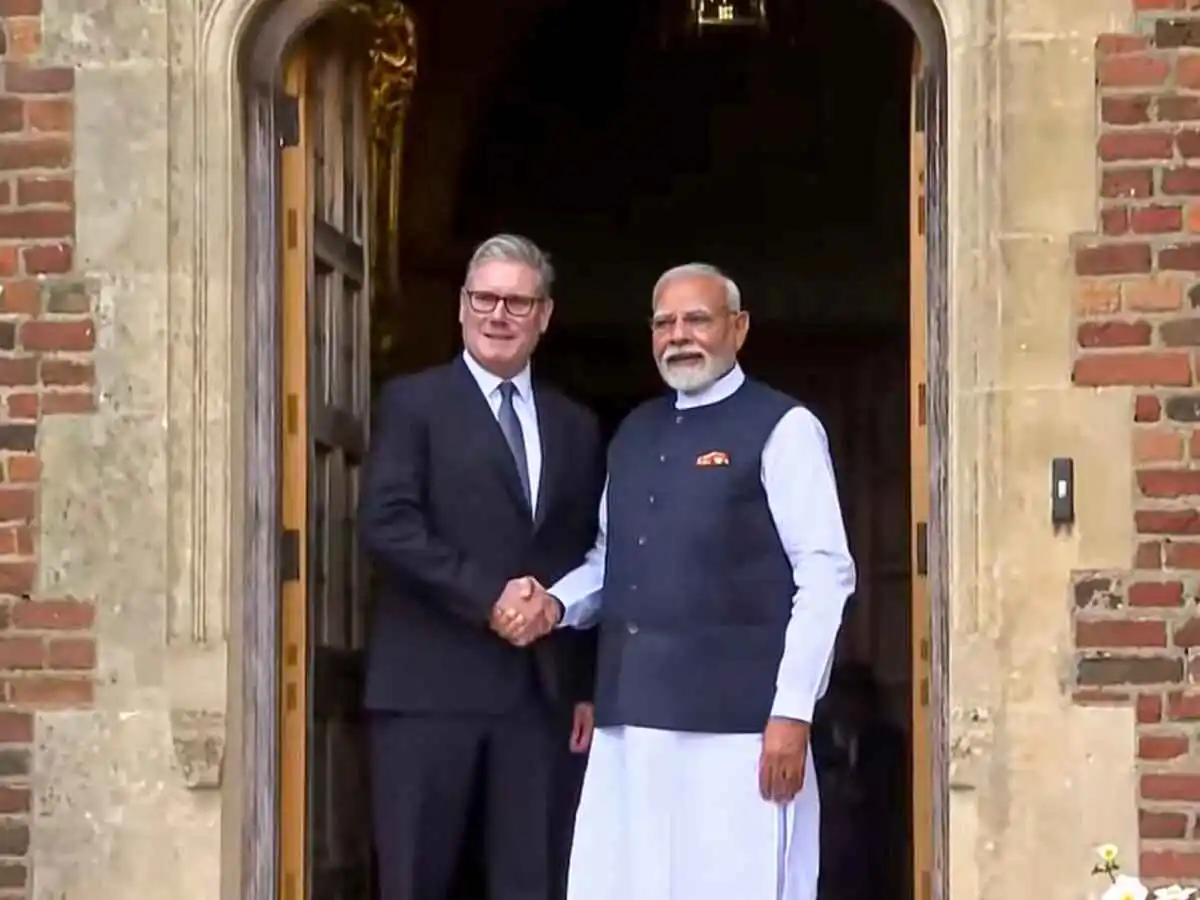
Prime Minister Narendra Modi with his British counterpart Keir Starmer at Chequers Estate, in UK. (PMO via PTI Photo)
The Comprehensive Economic and Trade Agreement (CETA), inked at the British Prime Minister’s country residence, Chequers, is the most significant post-Brexit trade deal for Britain and a strategic milestone for India as it seeks to expand its global economic footprint amid rising global protectionism.
Today is a historic day in India-UK relations, said Prime Minister Narendra Modi, standing alongside his British counterpart Keir Starmer after the signing ceremony.
After many years of hard work, a comprehensive economic and trade agreement has been inked between India and the UK, he added.
Starmer called it the biggest and economically most significant trade deal the UK has signed since leaving the European Union.
The agreement will benefit nearly 99% of Indian exports, including critical sectors such as textiles, footwear, gems and jewellery, seafood, engineering goods, leather, electrical machinery, and chemicals, which will now enjoy duty-free access in the UK market, Commerce and Industry Minister Piyush Goyal said.
"Duty-free access for about 99 per cent of Indian exports unlocks nearly USD 23 billion in opportunities for labour-intensive sectors, marking a new era for inclusive and gender-equitable growth," Goyal posted on X.
Artisans, weavers, and daily-wage labourers across India’s vast MSME ecosystem stand to gain from enhanced export opportunities, he added.
The pact also slashes average tariffs on British exports to India from 15% to 3%, giving British businesses an edge in selling products ranging from soft drinks and cosmetics to cars and aerospace parts.
List of goods to get cheaper in India
-
Tariffs on British whisky halved immediately from 150% to 75%
-
Further reduced to 40% over the next ten years
-
Directly benefits premium alcohol consumers and hospitality sectors
-
Tariffs reduced from up to 110% to 10% under a quota
-
Luxury cars (Jaguar, Land Rover, Bentley, Aston Martin) to become more affordable
-
Tariffs reduced from as high as 11% to 0%
-
Benefits India’s civil aviation maintenance, MRO, and airline sectors
-
Tariffs cut from up to 22% to either 0% or by 50%
-
Will make imports of UK-origin electrical machinery, industrial equipment, and advanced engineering tools cheaper
-
Tariffs on UK-origin surgical instruments, diagnostic equipment, X-ray systems, ECG machines and med-tech devices significantly reduced
-
Lower cost of high-quality medical devices will benefit hospitals and diagnostic chains
- Reduced tariffs will make UK-made soft drinks, premium beverages, and drink concentrates cheaper
- Tariff reduction benefits British skincare and beauty brands exporting to India
- Certain British-origin branded pharmaceuticals and medical consumables to become cheaper
-
Including cheese, confectionery, and speciality processed foods from the UK
-
High-end branded consumer goods
-
Luxury lifestyle brands and specialty goods will become more price-competitive, slashing
List of Indian goods to gain from the India-UK FTA
Fruits, vegetables, cereals
-
Turmeric, pepper, cardamom
-
Mango pulp, pickles, pulses
-
Ready-to-eat meals and processed foods
-
Marine products (shrimp, tuna, fishmeal, feeds)
-
Generic medicines and medical devices (surgical instruments, X-ray, ECG machines)
-
Textiles and garments (RMG, home textiles, carpets, handicrafts)
-
Footwear and leather goods
-
Gems and jewellery
-
Engineering goods (electric machinery, auto parts, construction machinery)
-
Electronics and IT-enabled services
-
Chemicals and plastics
-
Sports goods and toys
-
Traditional craft beverages (feni, artisanal wines, toddy)
About The Author
Next Story