Business News
Explained: Why India has eased FDI rules for China and other neighbouring countries
.png)
3 min read | Updated on March 11, 2026, 12:05 IST


SUMMARY
The Union Cabinet has eased foreign direct investment (FDI) norms for countries sharing land borders with India, including China, allowing non-controlling investments of up to 10% beneficial ownership through the automatic route.
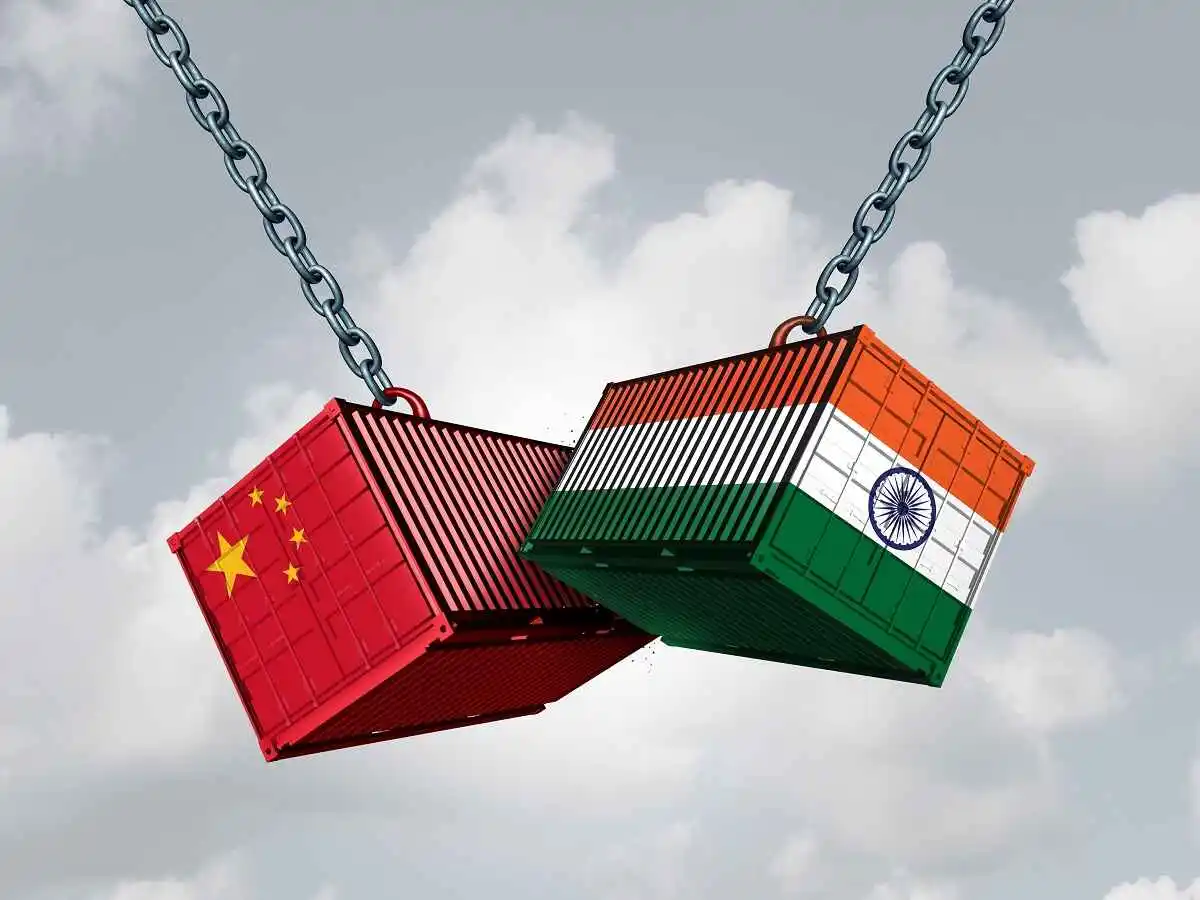
The earlier restrictions were imposed in 2020 after the Galwan Valley clash and during the COVID-19 pandemic to prevent opportunistic acquisitions of distressed Indian firms.
The Union Cabinet on Tuesday eased certain foreign direct investment (FDI) rules for countries sharing land borders with India, including China, allowing limited non-controlling investments under the automatic route.
Under the revised guidelines, investments from these countries with non-controlling beneficial ownership of up to 10% will now be allowed through the automatic route, subject to sectoral caps and disclosure requirements.
Earlier, overseas firms with shareholders from these nations owning even a single share had to seek mandatory approval to invest in India in any sector.
The Cabinet has also approved a definitive 60-day timeline for clearing investment proposals from land-bordering countries in specified manufacturing sectors, including capital goods, electronic capital goods, electronic components, polysilicon, and ingot-wafer production.
According to an official statement, the move aims to “unlock greater FDI inflows from global funds for startups and deep-tech sectors” while supporting domestic manufacturing and integration with global supply chains.
What has changed?
The government has introduced a formal definition and criteria for determining a ‘beneficial owner’, in line with the framework under the Prevention of Money Laundering Rules, 2005.
The beneficial ownership test will be applied at the level of the investor entity.
If the beneficial ownership from a land-bordering country remains below the 10% threshold and does not confer control, such investments will no longer require government approval.
"Investors with non-controlling land border countries (LBC), beneficial ownership of up to 10 per cent shall be permitted under the automatic route as per the applicable sectoral caps, entry routes, attendant conditions," the government said in a statement.
The investee company, however, will have to report relevant details to the Department for Promotion of Industry and Internal Trade (DPIIT).
The government approval route will continue to apply for investments exceeding the threshold or involving control.
Faster approvals for strategic sectors
The government also introduced a time-bound approval process of 60 days for investment proposals from these countries in selected manufacturing sectors, including capital goods, electronic capital goods, electronic components, polysilicon, and ingot-wafer production.
“In these cases, the majority shareholding and control of the Investee entity will be with resident Indian citizen(s) and/or resident Indian entity(ies) owned and controlled by resident Indian citizen(s), at all times,” the release said.
A committee of secretaries under the Cabinet Secretary may revise the list of eligible sectors from time to time.
Why the rules existed
India tightened FDI norms in April 2020 amid concerns that companies from neighbouring countries, particularly China, could acquire distressed Indian firms during the economic disruption caused by the COVID-19 pandemic.
The restrictions were also introduced against the backdrop of the Galwan Valley clash in 2020 between Indian and Chinese troops along the Line of Actual Control.
Since then, all investments from land-bordering countries, including China, Pakistan, Bangladesh, Nepal, Bhutan, Myanmar and Afghanistan, required prior government approval.
Why the government changed course
The strict FDI norms were affecting investment flows, particularly from global private equity and venture capital funds where Chinese investors may hold minority stakes.
The government’s review of the policy was also influenced by recommendations in last year’s Economic Survey, which suggested that carefully calibrated Chinese investments could support domestic manufacturing and growth, The Hindustan Times reported.
“It is expected that the new guidelines will provide clarity and ease of doing business in India, and facilitate investments which can contribute towards greater FDI inflows, access to new technologies, domestic value addition, expansion of domestic firms and integration with global supply chain,” the statement said.
About The Author
Next Story