Business News
Explained: Iran, US set for talks in Oman; what’s really on the table and why it matters
4 min read | Updated on February 06, 2026, 14:21 IST


SUMMARY
Iran and the United States are set to resume nuclear talks in Oman after a week of tensions that nearly derailed negotiations.
Iranian Foreign Minister Abbas Araghchi said Iran seeks an “honourable” agreement based on mutual respect.
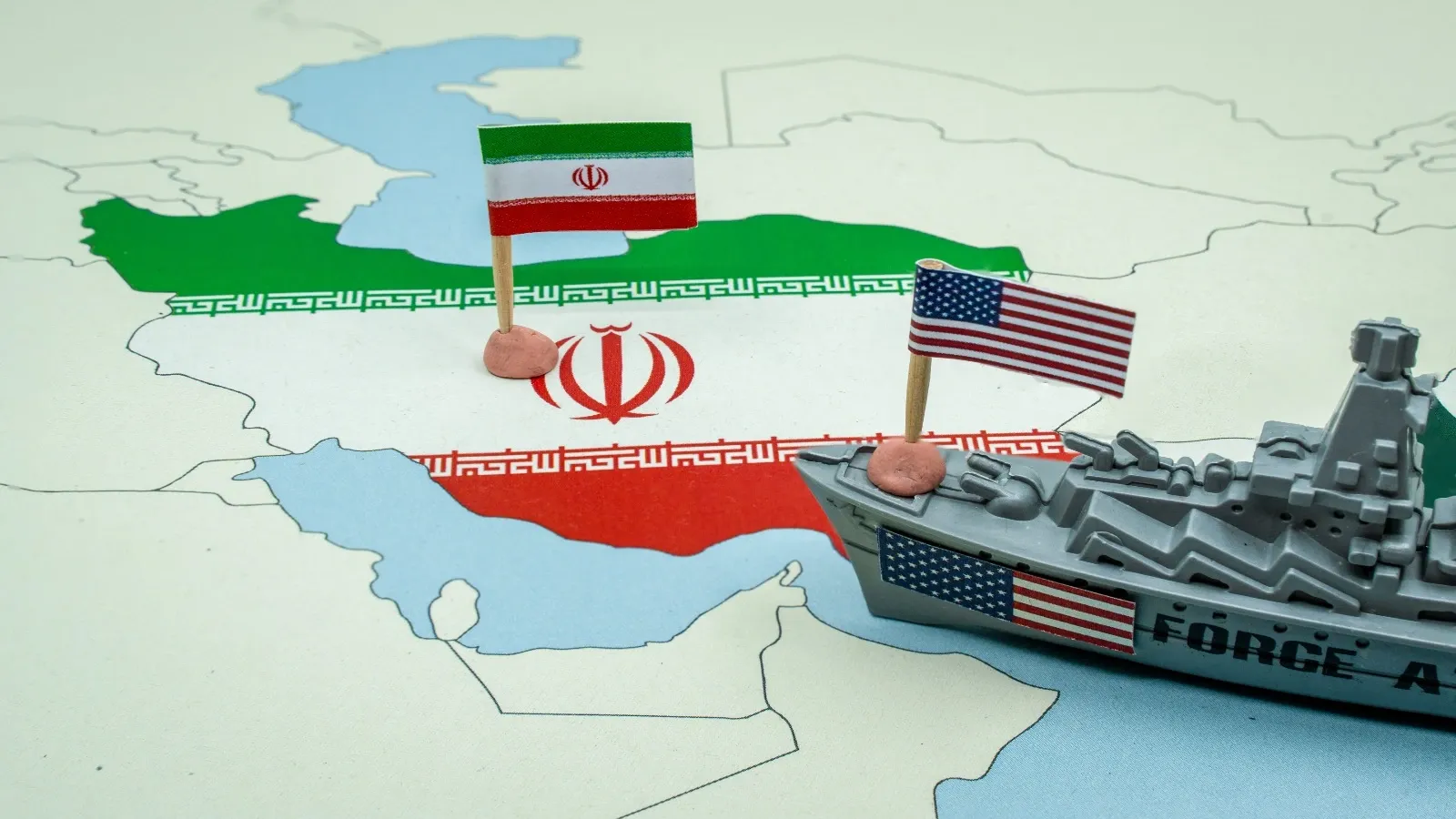
Iran and the United States are set to hold talks Friday in Oman over Tehran’s nuclear program after a chaotic week that nearly derailed the negotiations.
The scheduled talks between the US and Iran have been brought back from the brink of collapse after Washington initially rejected Tehran’s request to move the meeting from Turkey to Oman without the presence of Arab states.
What is the scope of negotiations?
While the US had demanded the talks to address Tehran’s ballistic missile programme, Iran vowed they would be confined to its nuclear programme only.
Iranian Foreign Minister Abbas Araghchi departed for Oman on Thursday evening, and despite past breakdowns and last year’s fighting, Tehran hopes to reach an “honourable” agreement on the nuclear issue.
“Iran enters diplomacy with open eyes and a steady memory of the past year. We engage in good faith and stand firm on our rights,” Araghchi wrote on X.
“Commitments need to be honored. Equal standing, mutual respect and mutual interest are not rhetoric—they are a must and the pillars of a durable agreement.”
In an earlier post, Araghchi thanked “our Omani brothers for making all necessary arrangements.”
US military built-up
The talks come as the US carries out a major buildup of naval and air power in the Middle East, including the aircraft carrier USS Abraham Lincoln and additional warships and fighter jets.
The US has pushed to also address Iran’s ballistic missile development, regional proxy networks and human rights record.
Secretary of State Marco Rubio said Wednesday that any meaningful deal would have to cover all of those issues.
“I think in order for talks to actually lead to something meaningful, they will have to include certain things, and that includes the range of their ballistic missiles,” Rubio told reporters. “That includes their sponsorship of terrorist organisations across the region. That includes the nuclear programme, and that includes the treatment of their own people.”
He added: “I’m not sure you can reach a deal with these guys, but we’re going to try to find out.”
On the US side, the talks are expected to be led by Mideast special envoy Steve Witkoff, a New York real estate billionaire and longtime ally of President Donald Trump.
Travelling with him on his regional trip has been Jared Kushner, who has recently floated proposals on Gaza and joined separate discussions involving Russia and Ukraine in Abu Dhabi.
Al Jazeera reported that diplomats from Egypt, Turkey and Qatar had offered Iran a proposal that would see Tehran halt enrichment for three years, ship out highly enriched uranium and pledge not to initiate the use of ballistic missiles.
Russia said Thursday that its own offer to take Iran’s uranium stockpile off its hands remains on the table.
But Ali Shamkhani, a senior adviser to Supreme Leader Ayatollah Ali Khamenei, has said ending enrichment or exporting uranium are nonstarters.
The current diplomatic push unfolds in the shadow of last year’s dramatic escalation.
In June 2025, the United States carried out airstrikes on Iran’s major nuclear facilities at Fordow, Natanz and Isfahan, marking Washington’s direct entry into Israel’s brief war with Tehran.
US President Trump at the time called the operation a “spectacular military success,” saying it aimed to destroy Iran’s enrichment capacity and halt what he described as a nuclear threat.
Iran later acknowledged it had halted enrichment following the strikes, though inspectors from the International Atomic Energy Agency (IAEA) have been unable to access the bombed sites.
Months later, protests erupted across Iran over the collapse of the rial, triggering a sweeping security crackdown.
Where does Iran’s nuclear programme stand?
Tehran has long insisted its nuclear program is peaceful. Yet it now enriches uranium to near weapons-grade levels of purity.
Under the 2015 nuclear deal, Iran was capped at 3.67% enrichment and a 300-kilogram stockpile.
The IAEA’s most recent report put Iran’s stockpile at roughly 9,870 kilograms, including material enriched to 60%.
US intelligence agencies suggest Iran has not yet launched a weapons program but has taken steps that would allow it to do so quickly if it chose.
Israeli officials remain convinced Tehran is seeking a bomb and want its nuclear and missile programs dismantled.
About The Author
Next Story