Business News
E20 Petrol FAQs: What govt said on mileage, damage risks & other concerns raised by vehicle owners
.png)
5 min read | Updated on August 05, 2025, 16:06 IST


SUMMARY
Amid rising consumer complaints over mileage drops and possible engine damage from E20 petrol (20% ethanol blend), the Ministry of Petroleum has dismissed most concerns as unfounded and unsupported by scientific evidence.
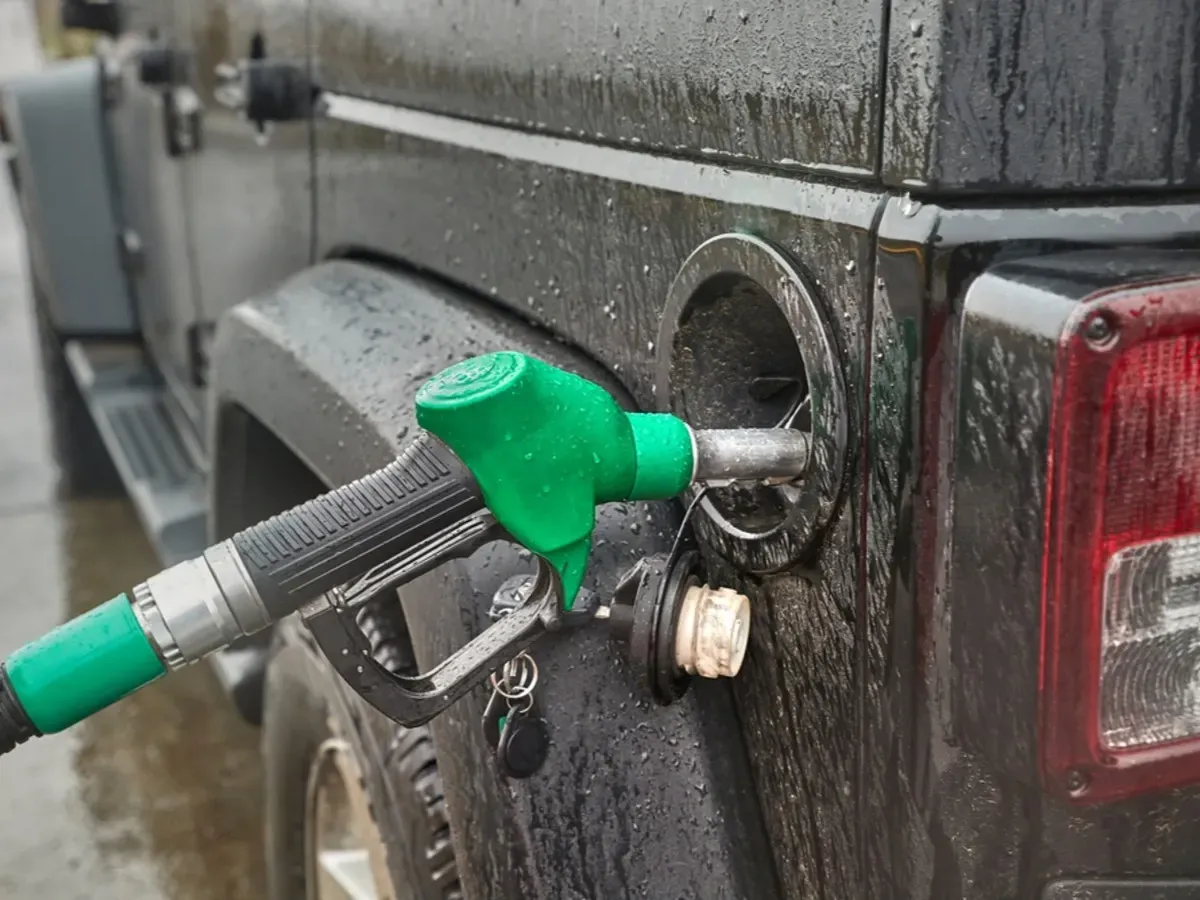
Government-backed studies claim only a marginal 1–6% drop in fuel efficiency, with minimal risk of corrosion in E20-compatible vehicles.
Amid rising complaints from vehicle owners over mileage drops and possible engine damage due to the use of ethanol-blended petrol, the Ministry of Petroleum and Natural Gas has dismissed the concerns as “largely unfounded” and not backed by scientific evidence.
In a detailed statement posted on X, the ministry said that studies by Indian and international agencies, including the Automotive Research Association of India (ARAI), Indian Oil Corporation R&D, and Indian Institute of Petroleum, have shown that E20 (petrol blended with 20% ethanol) does not significantly affect fuel efficiency, engine performance, or material durability.
“Ethanol, being lower in energy density than petrol, results in a marginal decrease in mileage, estimated at 1–2% for four-wheelers designed for #E10 and calibrated for #E20, and around 3–6% in others,” the ministry said.
“This marginal drop in efficiency can be further minimized through improved engine tuning and use of E20-compatible materials, which leading automobile manufacturers have already adopted,” it added.
On the issue of material corrosion, the ministry argued that the safety standards for E20, including corrosion inhibitors and compatible fuel system materials, are well established through BIS specifications and Automotive Industry Standards.
“Replacement of some rubber parts/ gaskets could be advised in certain older vehicles after prolonged use of say 20,000 to 30,000 kms. This replacement is inexpensive and easily done during regular servicing of the vehicle,” it said.
Consumer frustration over mileage, maintenance and price
Despite the government’s assurances, social media has been flooded with user complaints.
Many vehicle owners allege a drastic drop in mileage since switching to E20, with some also reporting damage to fuel tanks and engines, especially in older or E10-compatible vehicles.
“Dear @PetroleumMin, Can you kindly tell me where PURE PETROL is available in this country? I’ll make sure to travel all the way just to fill my vehicle there. Because I didn’t buy my vehicle to test your ethanol experiments,” wrote one user.
In India, fuel prices are linked to international crude oil prices and domestic tax structures, including VAT and central excise. While excise duty did increase in April, reports suggest the cost wasn’t passed on to consumers. However, neither has the benefit of ethanol’s lower production cost.
This FAQ explains what E20 petrol is, its effects on vehicles, compatibility issues, and what drivers should do before filling up.
E20 petrol is a mixture of 20% anhydrous ethanol with 80% motor gasoline fuel volume by volume. Public Sector Oil Marketing Companies (OMCs) started selling E20 petrol from February 6, 2023.
In many parts of India, E20 fuel is being rolled out as the new standard, replacing pure petrol or E10 (10% ethanol blend). Consumers in most cities now find only E20 fuel available at pumps, with no option to purchase unblended petrol.
Consumers have raised several concerns:
Drop in mileage: Ethanol has lower energy content than petrol, resulting in lower fuel efficiency.
Vehicle damage: Older vehicles may suffer from fuel system corrosion, leakage, and engine knocking.
No cost benefit: Despite ethanol being cheaper to produce, fuel prices remain high.
Lack of choice: Pure petrol is not available even for vehicles that aren’t compatible with E20.
Yes. Ethanol’s calorific value is about 65% that of petrol, so it produces less energy per litre. The Ministry of Petroleum acknowledges a 1–2% drop in mileage for E10 vehicles calibrated for E20 and 3–6% drop for other vehicles.
However, users are reporting steeper mileage drops, sometimes over 10%, in real-world usage, particularly with older vehicles.
No. Here’s the breakdown:
Vehicles made after April 2023: E20-compliant (ethanol-resistant parts and ECU recalibration).
Vehicles made between April 2020 and April 2023: BSVI-compliant, E10-compatible but may suffer reduced mileage and long-term wear.
Vehicles made before 2020: Likely not ethanol-compatible, potentially at risk for damage.
Common issues include corrosion of fuel tanks and lines, fuel leaks, engine knocking (premature ignition causing metallic pinging sounds), starting problems in colder weather, gradual reduction in performance and fuel system degradation.
The Ministry of Petroleum and Natural Gas has issued a statement calling most of the concerns “unfounded.” They cite international studies and Indian tests showing no significant damage, marginal mileage drops, use of corrosion inhibitors and compatible materials, environmental and economic benefits like reduced emissions and savings on oil imports.
The government highlighted the environmental and economic benefits of ethanol blending, claiming it had saved over ₹1.4 lakh crore in crude import costs since 2014–15 and reduced carbon dioxide emissions by 700 lakh tonnes. Over ₹1.2 lakh crore has been paid to farmers as part of the biofuel push, supporting rural livelihoods.
Not easily. Most major cities and pumps now only stock E20. There is no official consumer-accessible registry of pure petrol stations.
You can check your vehicle manual or consult your car manufacturer about ethanol compatibility.
If you drive an older vehicle, watch for signs like mileage drops, knocking sounds, fuel smell, or cold-start issues.
Ask your mechanic during servicing to inspect for ethanol-related wear and consider changing parts like rubber hoses or gaskets if needed.
The government is focused on achieving a 20% ethanol blending target in petrol by 2025-26. The detailed report on the ‘Roadmap for Ethanol Blending in India 2020-25’ provides guidance to achieve the target of 20% ethanol blending in India by 2025-26. Public Sector Oil Marketing Companies (OMCs) achieved the target of 10% ethanol blending in petrol in June 2022, five months ahead of the target during ESY 2021-22.
By signing up you agree to Upstox’s Terms & Conditions

About The Author
Next Story