Business News
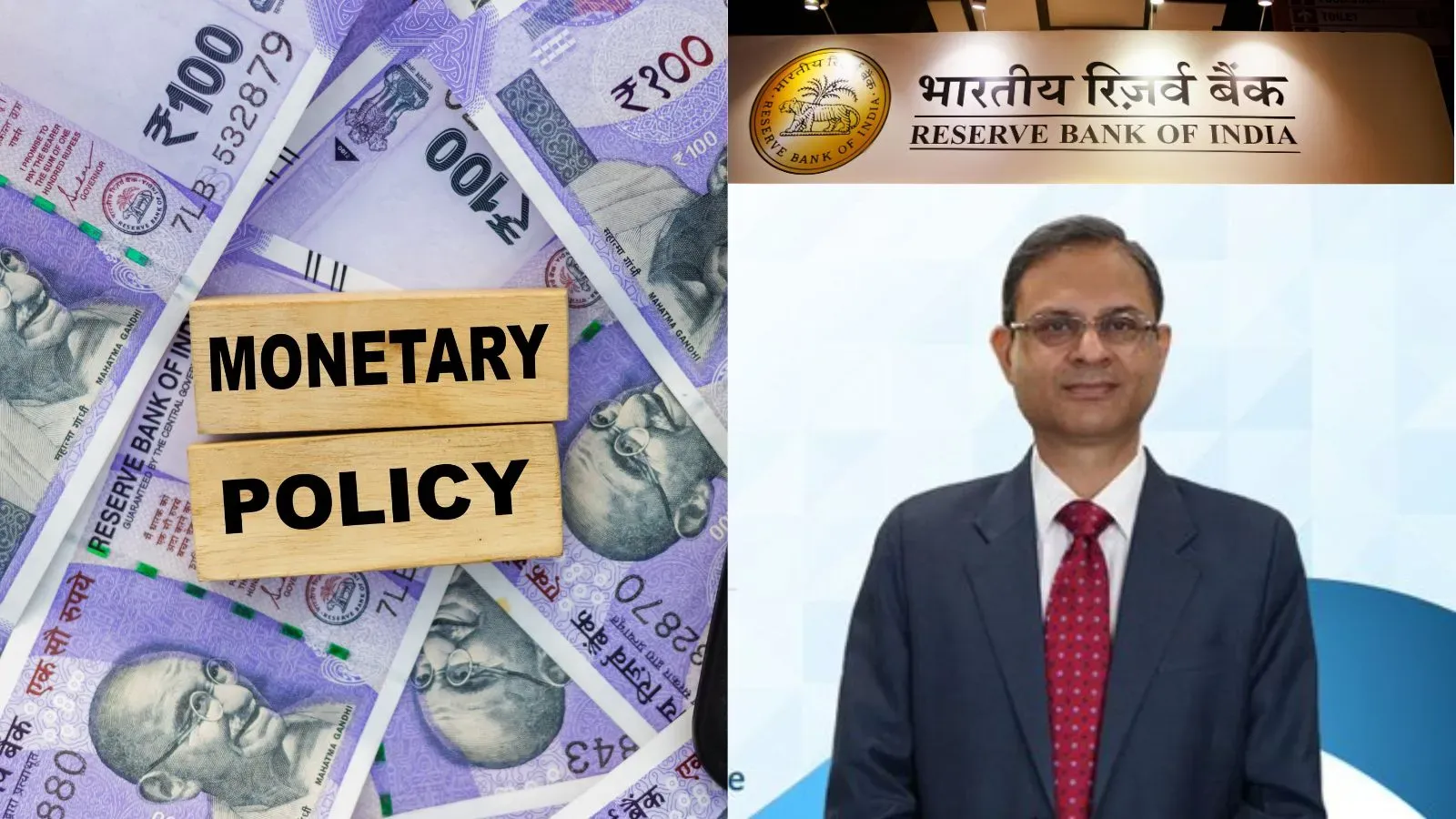
Amid rupee depreciation, will govt revisit exchange rate policy? Sitharaman responds in Lok Sabha
.png)
3 min read | Updated on February 03, 2025, 17:17 IST


SUMMARY
Finance Minister Nirmala Sitharaman clarified that the Indian rupee has not been devalued but is instead influenced by market forces, including global uncertainties, foreign fund outflows, and the rising US Dollar Index.
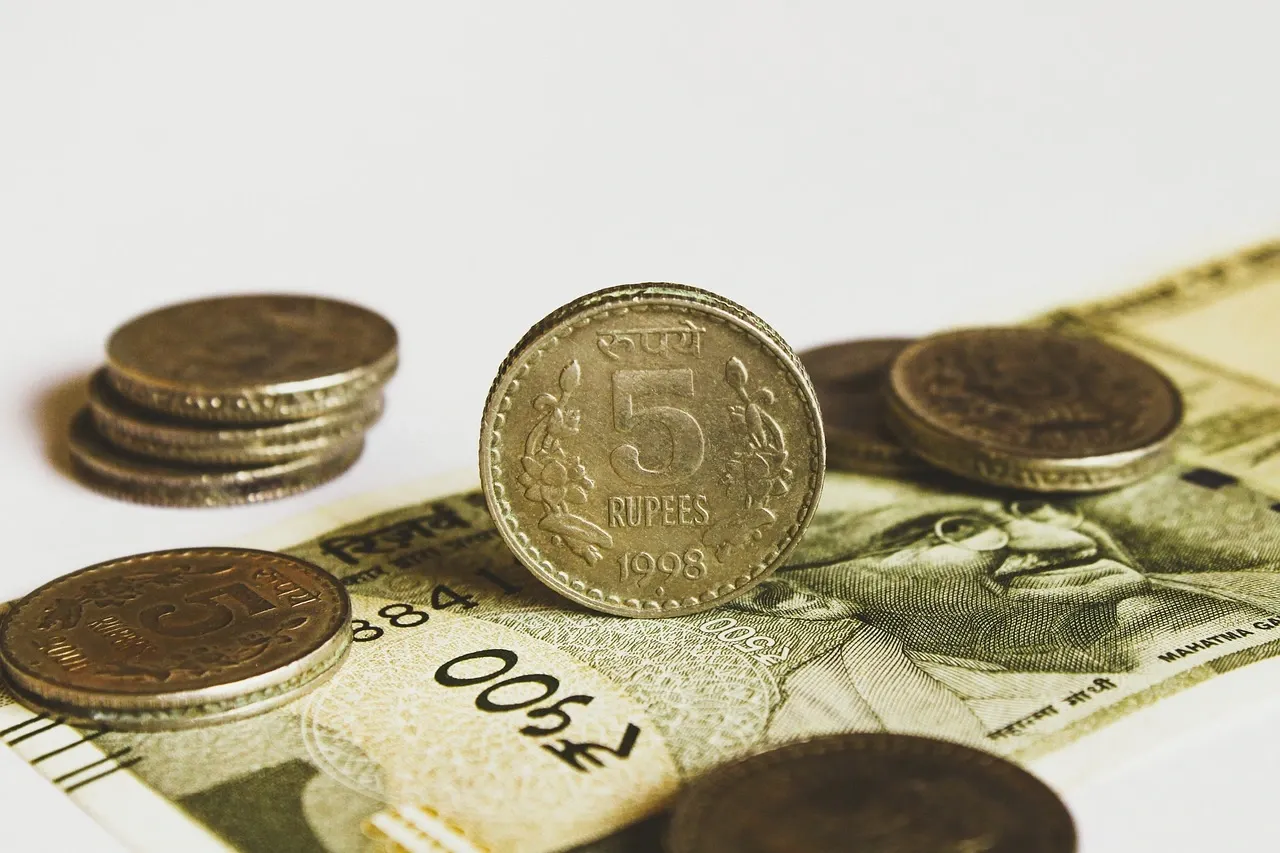
The rupee depreciated 67 paise to hit record low of 87.29 against the US dollar in early trade on Monday.
Amid concerns over the depreciation of the domestic currency against the US dollar, Finance Minister Nirmala Sitharaman on Monday said the Indian rupee has not been devalued but its exchange rate is determined by market forces.
Replying to a question in the Lok Sabha, Sitharaman attributed the rupee's movement to a combination of global and domestic factors, including the rise in the US Dollar Index, capital outflows, and interest rate differentials.
"There has been no 'devaluation' of the Indian Rupee, which is a feature of a fixed exchange rate regime. The value of the INR is market-determined, with no target or specific level or band," she said.
She pointed out that since October 1, 2024, the rupee, along with other Asian currencies, has depreciated against the US dollar due to uncertainties surrounding the US elections. Between October 1, 2024, and January 27, 2025, the US Dollar Index rose 6.5%, leading to a depreciation of the rupee by 2.9%— the least among major Asian currencies, barring the Hong Kong dollar.
Other Asian currencies, such as the South Korean won, Indonesian rupiah, and Malaysian ringgit, fell by 8.1%, 6.4%, and 5.9%, respectively, during the same period. Among G-10 currencies, the Japanese yen, British pound, and euro depreciated by 7%, 6.6%, and 5.8%, respectively.
Sitharaman also cited foreign portfolio investment (FPI) outflows of USD 19.5 billion from Indian markets and a trade deficit of USD 31.8 billion in November 2024 as factors that put pressure on the rupee.
The rupee continued to face pressure due to sustained foreign fund outflows and the broad strength of the American currency in overseas markets due to strong dollar demand from oil importers and weak risk appetite. Foreign institutional investors (FIIs) offloaded equities worth ₹1,327.09 crore in the capital markets on a net basis on Saturday, according to exchange data.
On concerns about inflation and cost of living, the finance minister said currency depreciation can enhance export competitiveness but may also increase the cost of imported goods. However, the extent of its impact on domestic inflation depends on various factors, including the global demand-supply situation, the nature of imported goods, and the availability of substitutes.
"The impact of exchange rate movement on import costs, inflation, and consumer prices cannot be isolated," she noted.
On whether the government plans to revisit the exchange rate policy framework adopted in 2010, Sitharaman said the approach to exchange rate management remains unchanged and is guided by market principles without any fixed targets.
Speaking to reporters on Monday, Finance Secretary Tuhin Kanta Pandey said there is no concern over the rupee's value and the Reserve Bank of India (RBI) is managing the volatility of the local currency.
"There is no concern about the value of the rupee. The volatility in rupee is being managed by the RBI," Pandey told reporters.
He emphasised that the Indian rupee is "free-float" and no control or fixed rate is applicable on the currency. He attributed the exchange rate pressure to unabated foreign fund outflows.
The rupee depreciated 67 paise to hit a record low of 87.29 against the US dollar in early trade on Monday after US President Donald Trump’s tariffs on Canada, Mexico, and China triggered fears of a broad trade war.
Trump imposed a 25% tariff on Canada and Mexico and a 10% duty on China, sparking fears of a destructive global trade war, forex traders said.
In 2025, the Indian rupee depreciated 1.8% from 85.61 to a dollar level on December 31, 2024.
By signing up you agree to Upstox’s Terms & Conditions

About The Author
Next Story