Business News
DGCA proposes tougher rules for unruly flyers; graded bans up to lifetime, national no-fly database
.png)
3 min read | Updated on February 19, 2026, 15:27 IST


SUMMARY
The Directorate General of Civil Aviation (DGCA) has proposed sweeping new rules introducing graded flying bans to curb unruly behaviour by airline passengers.
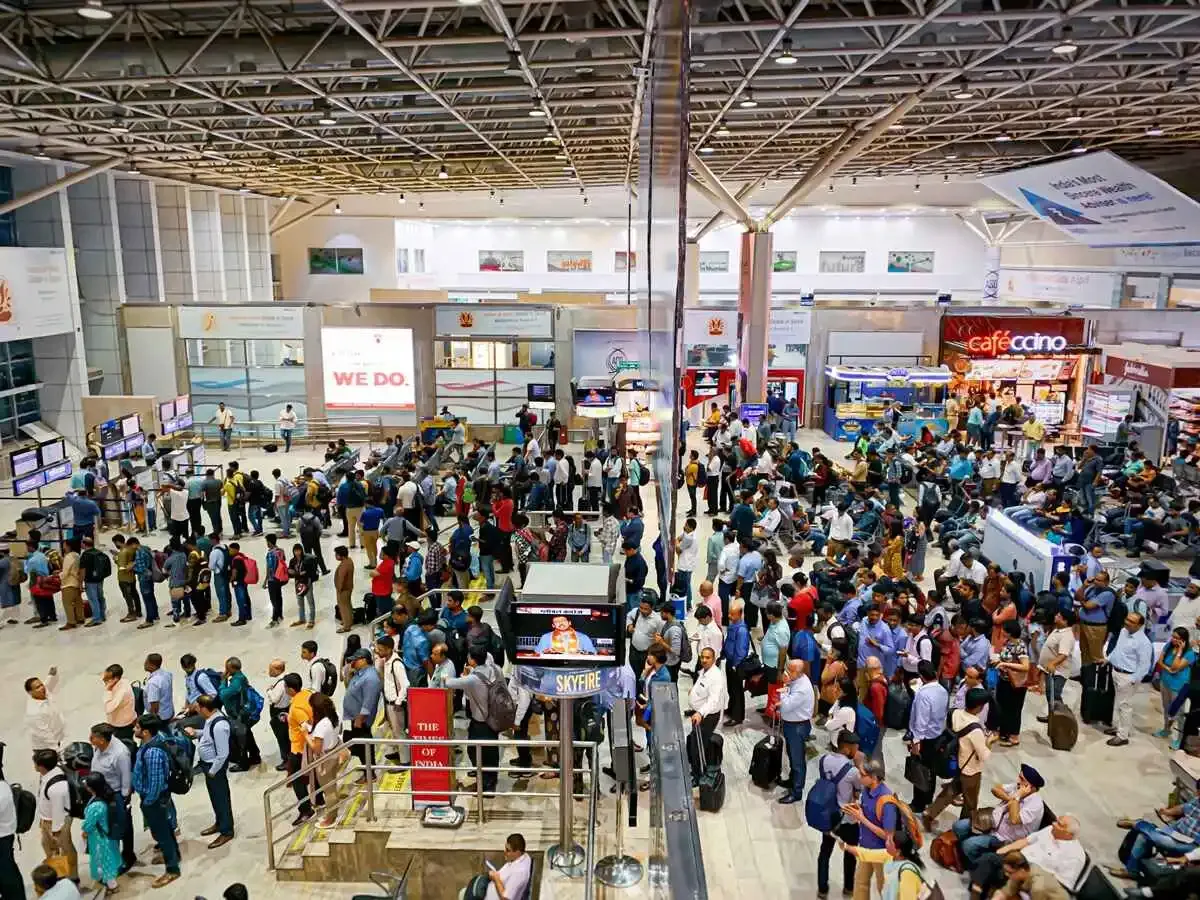
DGCA has proposed stricter norms to deal with unruly passengers, including allowing airlines to directly impose a flying ban on such passengers for up to 30 days.
India’s aviation regulator DGCA has proposed sweeping new rules to crack down on unruly airline passengers, including graded flying bans that could extend to a lifetime for the most serious offences.
The aviation watchdog said unruly behaviour on aircraft and at airports will attract “zero tolerance”, warning that even a single disruptive passenger can jeopardise flight safety and operations.
"A 'No/ Zero Tolerance Policy' has been adopted to ensure the safety of the aircraft/persons/property and to maintain good order & discipline on board an aircraft," the Directorate General of Civil Aviation (DGCA) said in its draft revised rules.
The regulator has defined an unruly passenger as anyone who fails to follow instructions of crew or airport staff, disturbing good order and discipline on board or within airport premises.
In a new set of Civil Aviation Requirements (CAR), the watchdog said airlines would be required to classify misconduct into four levels: verbal harassment and inebriation (Level 1) to physically abusive conduct (Level 2), life-threatening behaviour such as violent assault or damage to aircraft systems (Level 3), and attempted or actual breach of the cockpit (Level 4).
The CAR also makes it clear that aircraft and airport terminals are not venues for sloganeering or protests.
Under the proposals, passengers guilty of minor unruly conduct could face bans of up to three months, while physically abusive behaviour could attract suspensions of up to six months.
Those involved in serious violence or cockpit intrusion could be barred for a minimum of two years or longer without limit.
Airlines would also be empowered to impose immediate flying bans of up to 30 days for disruptive acts such as smoking onboard, consuming alcohol not served by cabin crew, misusing emergency equipment, intoxicated misconduct or repeatedly disturbing other passengers.
"... an airline may directly impose a flying ban for a disruptive passenger for a period not exceeding thirty days (30) days without referring the matter to the Independent Committee, where the passenger is found to have committed any of the following disruptive acts on board an aircraft," the regulator said.
More serious incidents would be reviewed by an independent committee set up by airlines, chaired by a retired judge and including representatives from another airline and a consumer or passenger body.
The panel would have 45 days to decide both culpability and the duration of any ban, during which airlines may temporarily suspend the passenger from flying.
The regulator also plans to maintain a centralised national “no-fly list”, to be shared across carriers, containing passenger identity details, incident records and ban periods.
Once a passenger is placed on the list, all airlines would be required to enforce the restriction. The database would not be made public.
Repeat offenders would face penalties double the length of their previous ban, according to the draft.
In cases involving national security, the Ministry of Home Affairs may directly provide a list of individuals to be barred from flying.
Such passengers will remain grounded until they are no longer considered a security risk.
Passengers would be allowed to appeal longer bans to a panel constituted by the Ministry of Civil Aviation, chaired by a retired High Court judge, whose decision would be final.
Any further recourse would be only through the courts.
The proposed rules also mandate enhanced training for flight crew, ground staff and airport personnel to detect early signs of aggressive behaviour and de-escalate conflicts, particularly during delays, overbooking or cancellations.
Airlines would be required to establish standard operating procedures for identifying potential troublemakers at check-in, lounges and boarding gates, and to deny boarding where passengers pose a safety risk.
About The Author
Next Story