Business News
Confusion over Iran’s 10-point plan threatens ceasefire; which demands clash with Trump’s red lines?
.png)
4 min read | Updated on April 09, 2026, 12:20 IST


SUMMARY
The uncertainty has strained the two-week ceasefire, already challenged by continued violence involving Israeli strikes in Lebanon.
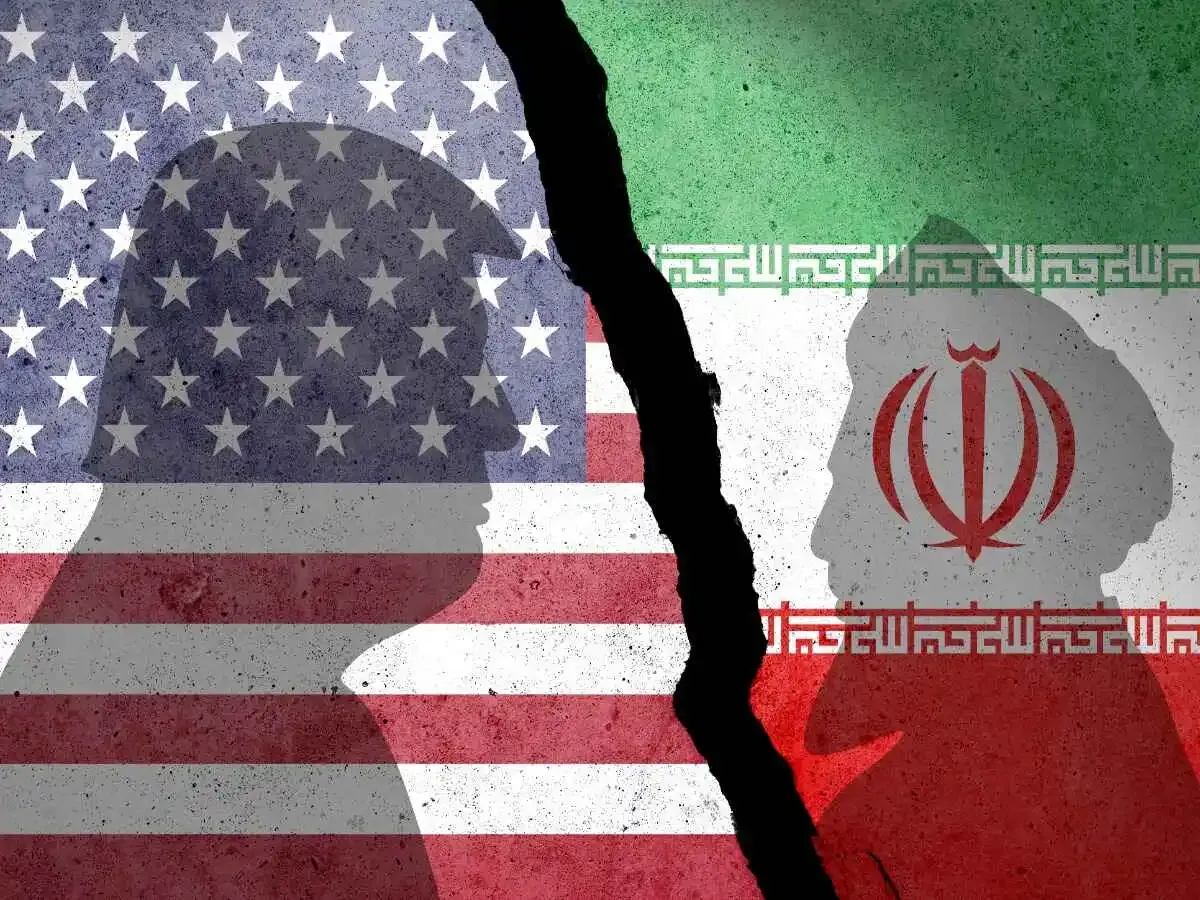
The statement came after US President Donald Trump announced a two-week ceasefire agreement with Iran, following mediation efforts involving Pakistan. Image: Shutterstock
A huge confusion over Iran’s proposed 10-point framework for negotiations with the United States has threatened to jeopardise the fragile two-week ceasefire, after President Donald Trump publicly distanced himself from a version of the plan released by Iranian officials.
In a post on his Truth Social platform, Trump dismissed the proposals circulating publicly as unauthorised, saying: “Numerous Agreements, Lists, and Letters are being sent out by people that have absolutely nothing to do with the U.S.A./Iran Negotiation … they are total Fraudsters, Charlatans, and WORSE.”
“There is only one group of meaningful ‘POINTS’ that are acceptable to the United States, and we will be discussing them behind closed doors during these negotiations,” he added, insisting those terms formed the basis of the ceasefire.
The remarks appeared to contradict earlier signals that Iran had shared a 10-point proposal with Trump that he described as a “workable basis” for negotiations.
The White House later said the plan Iran released publicly differs from what was conveyed privately, according to a report by The New York Times.
Sharp divides over key demands
Among Iranian demands are a US commitment to non-aggression, recognition of Iran’s control over the Strait of Hormuz, acceptance of Tehran’s uranium enrichment program, and the lifting of all US and international sanctions.
The proposal also calls for the withdrawal of US combat forces from the region, termination of UN and International Atomic Energy Agency measures targeting Iran, and compensation for war-related damage.
Several of those points are likely to be non-starters for Washington and its allies, according to The New York Times.
Iran’s insistence on control over the Strait of Hormuz, through which roughly a fifth of the world’s oil passes, is expected to face strong opposition from the United States and Gulf Arab states concerned about global energy security.
Similarly, the demand to accept uranium enrichment runs counter to Trump’s repeated calls for “zero enrichment.”
Some diplomats have reportedly floated compromise ideas, such as limiting enrichment to minimal civilian levels, but it remains unclear whether Washington would consider such options.
The proposal also appears at odds with a separate 15-point framework advanced by US mediators last month.
Ceasefire strained by continued violence
The confusion over negotiating terms comes as a two-week ceasefire, intended to create space for negotiations, is already under strain.
Israeli Prime Minister Benjamin Netanyahu said on Wednesday that Israel supports Trump’s decision to pause military strikes against Iran but stressed the ceasefire does not extend to Lebanon.
Shortly after the ceasefire was announced, Israeli forces launched large-scale strikes on Beirut and other parts of Lebanon, hitting more than 100 targets, according to the military.
Lebanese authorities said at least 182 people were killed and hundreds wounded in the deadliest day of the current Israel-Hezbollah conflict.
Netanyahu’s office said the pause was conditional on Iran reopening the Strait of Hormuz and halting attacks across the region.
Pakistan’s Prime Minister Shehbaz Sharif, who has played a mediating role, said ceasefire violations had already been reported and urged all sides to exercise restraint.
“Violations of ceasefire have been reported at few places … which undermine the spirit of peace process,” Sharif said in a post on X, calling for diplomacy to take the lead.
However, US Vice President JD Vance, who is expected to lead the talks with Iran in Pakistan, called the confusion over Lebanon's exclusion a "legitimate misunderstanding".
"I think the Iranians thought the ceasefire included Lebanon, and it just didn't. We never made that promise, we never indicated that was gonna be the case," he said.
Iran has also suffered extensive damage to military and civilian infrastructure during the conflict, but there has been no indication that US officials are willing to consider Tehran’s demand for compensation.
About The Author
Next Story