Business News
China pitches India ‘1+1=11’ growth model amid escalating tariff tensions with US
.png)
3 min read | Updated on April 29, 2025, 14:30 IST


SUMMARY
China has called for deeper economic collaboration with India amid escalating tariff tensions with the US.
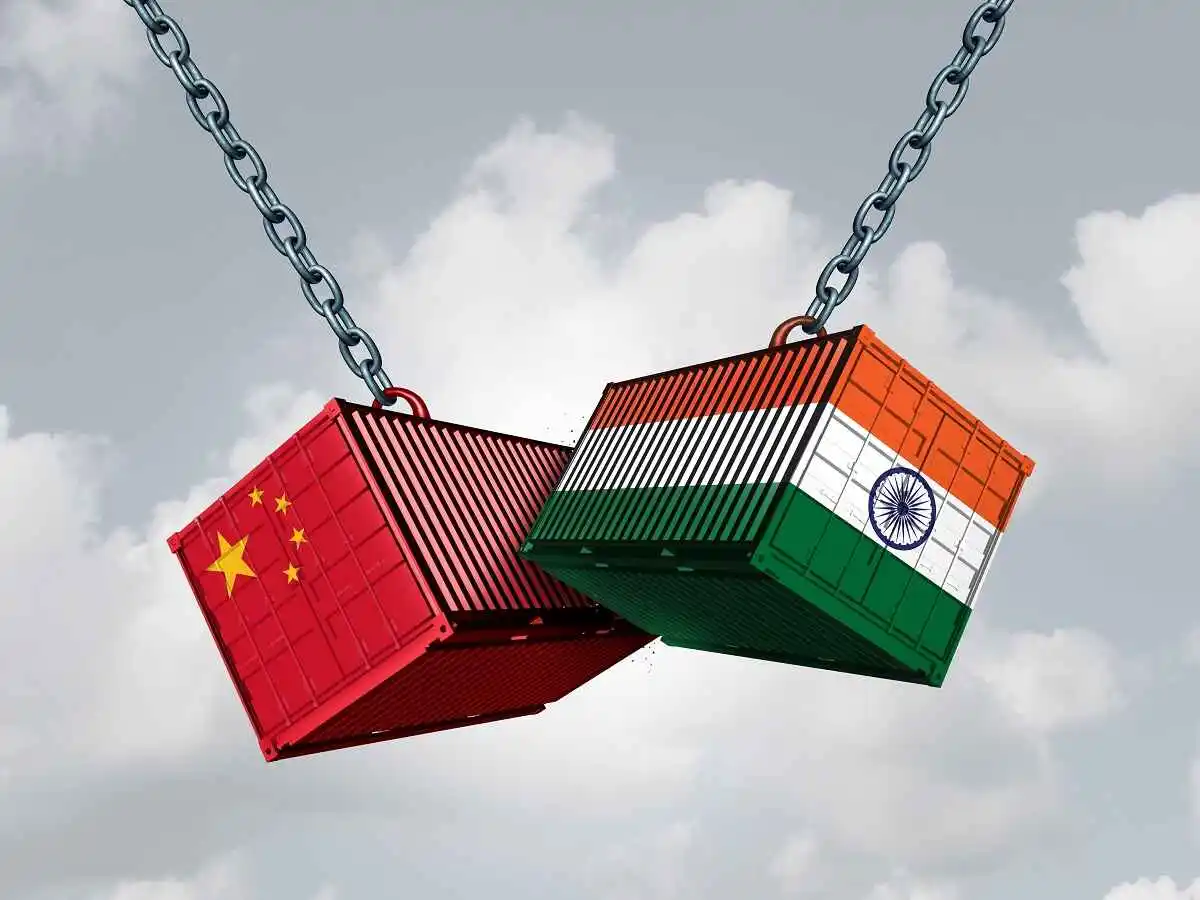
The US has imposed 145% tariffs on Chinese goods entering the American market. For India, the duty is just 10%.
Amid soaring tariff tensions with the United States, China has urged India to deepen economic convergence, arguing that a united front between the two Asian giants could unlock exponential growth and counterbalance unilateral trade actions by Washington.
He called for enhanced cooperation between China and India to promote what he described as a “1+1=11” multiplier effect for economic growth.
“The convergence of the Chinese and Indian markets could generate a synergistic “1+1=11” multiplier effect,” Xu wrote.
Citing IMF estimates, the Chinese diplomat noted that the two nations, home to over a third of the global population, are well positioned to drive 36% of global economic growth in the next five years.
His remarks come amid steep tariffs imposed by US President Donald Trump on Chinese imports, raising duties to as high as 145%. While a 90-day reprieve has been granted to most of the US trade partners, the tariffs on Chinese goods remain in full force.
“China has firmly said ‘no’ to the US’s tariff bullying,” Xu said, describing the measures as a violation of WTO rules and a threat to the global rules-based trading order.
He warned that unilateral concessions to the US would only embolden further demands, likening the approach to “bargaining with a tiger for its skin.”
As trade tensions flare, Chinese firms are increasingly turning to India to maintain business flows. According to the Federation of Indian Export Organisations (FIEO), several US-based sourcing firms operating in China are approaching Indian manufacturers to bypass punitive US tariffs.
Federation of Indian Exporter Organisations (FIEO) Director General Ajay Sahai said US sourcing firms in China are in touch with domestic manufacturers through diplomatic channels to buy goods from India and export to America to bypass the high tariffs.
He added that Chinese exporters in sectors like electronics, hand tools, and home appliances are also reaching out to Indian traders.
"Chinese firms are willing to pass on the export orders they receive to Indian firms so that shipments can continue and their business relationships with the US remain intact," Sahai said, adding that in return, Chinese companies are seeking a commission fee facilitating the orders.
A Mumbai-based exporter and Technocraft Industries Ltd Founder Chairman SK Saraf termed the situation a “great opportunity” for Indian exporters. “Domestic players should look into increasing their capacities to tap into these opportunities,” he said.
"The domestic players should look into increasing their capacities to tap into these opportunities. Going ahead, they can make direct relationships with those US buyers," Saraf said.
However, it would not be easy for Chinese companies to come to India as New Delhi has imposed certain restrictions on investments coming from Beijing.
As per a government order, investments coming from countries sharing land borders with India have to mandatorily take approval from the government.
By signing up you agree to Upstox’s Terms & Conditions

About The Author
Next Story