Business News
Ceasefire holding but blockade next? What Donald Trump said on Iran, Strait of Hormuz

3 min read | Updated on April 13, 2026, 09:08 IST


SUMMARY
The breakdown in US-Iran talks has cast doubt over the durability of a fragile, two-week ceasefire and raised concerns about the reopening of the Strait of Hormuz.
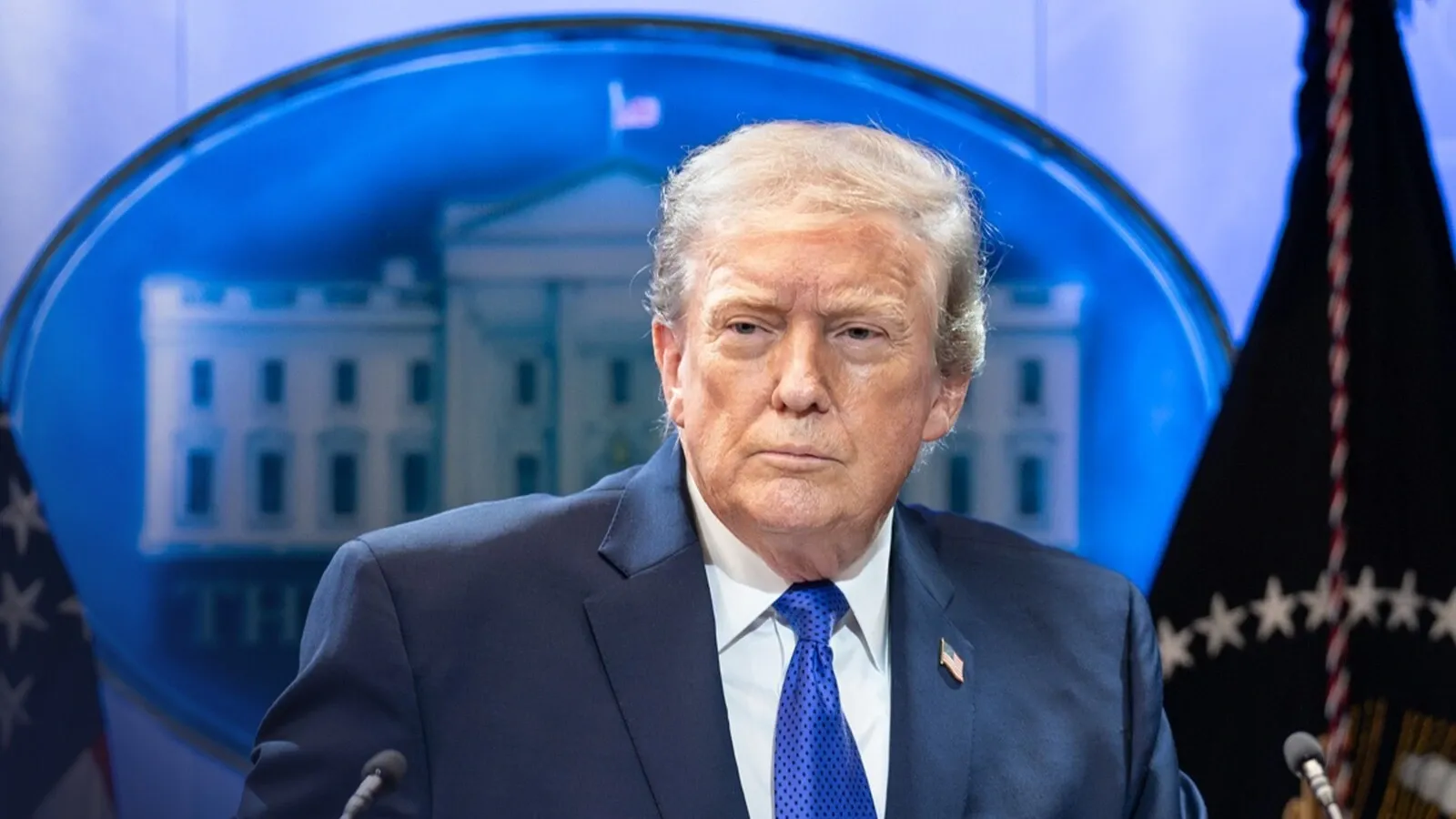
Trump said he was unconcerned whether Iran returned to negotiations. | Image: X/@WhiteHouse
US President Donald Trump on Monday said Iran was “in very bad shape” and insisted it would never obtain a nuclear weapon, after Washington and Tehran failed to reach an agreement following marathon talks in Pakistan aimed at ending the West Asia conflict.
“I think Iran is in very bad shape. I think they’re very desperate,” Trump said, referring to the 21-hour negotiations. “Iran will not have a nuclear weapon. There is no way that they’re going to get it.”
The comments came after US Vice President JD Vance said the two sides failed to bridge differences over Tehran’s nuclear programme during face-to-face talks in Islamabad, the first such high-level engagement since Iran’s 1979 Islamic Revolution.
“We have been at it now for 21 hours. We’ve had a number of substantive discussions with the Iranians, that’s the good news,” Vance told reporters. “The bad news is that we have not reached an agreement.”
Vance said Washington had presented its “final and best offer,” but Iran did not accept the terms, particularly on providing guarantees that it would not pursue nuclear weapons capability.
“The simple fact is that we need to see an affirmative commitment that they will not seek a nuclear weapon,” he said.
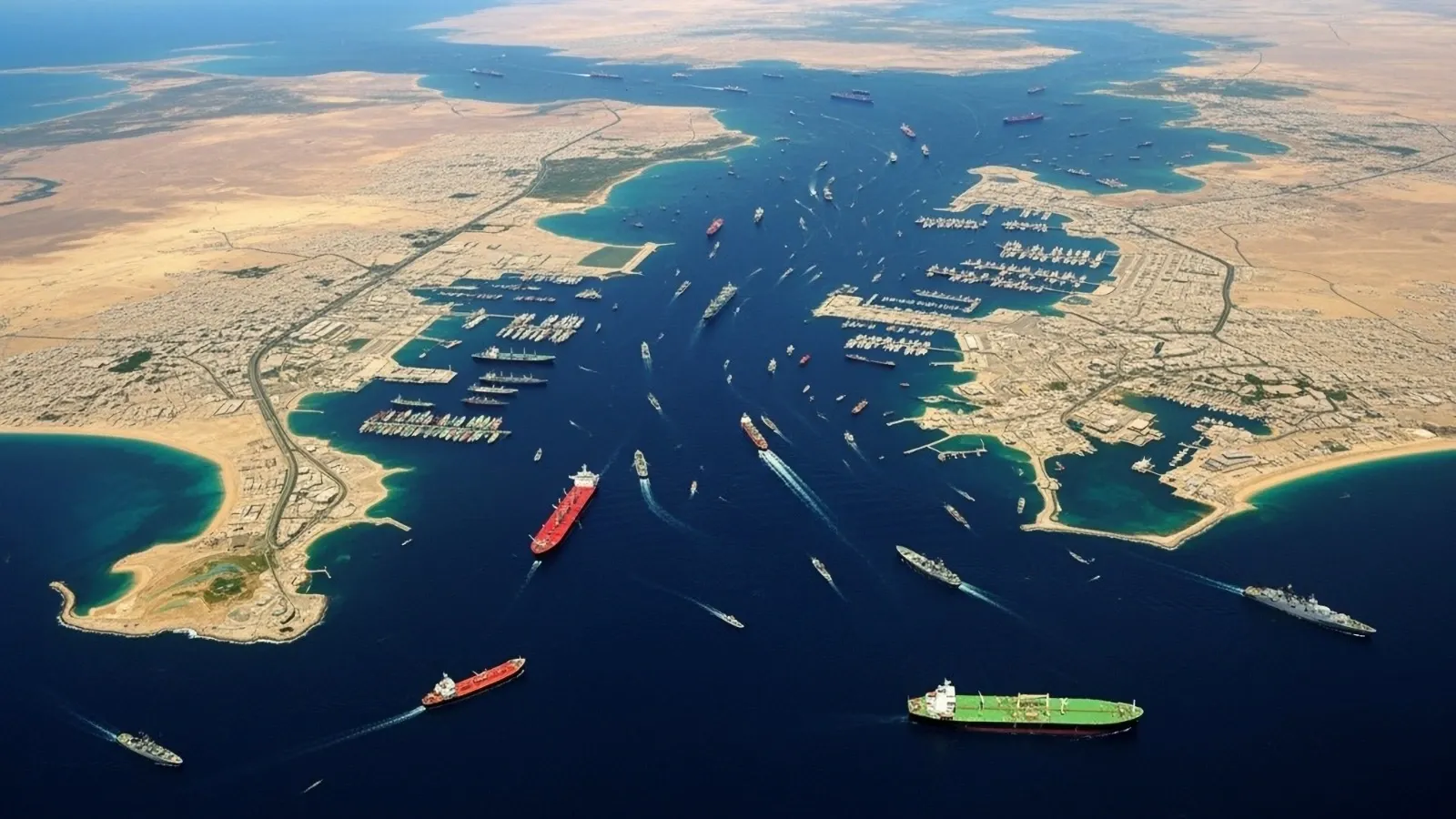
The breakdown in talks has cast doubt over the durability of a fragile, two-week ceasefire and raised concerns about the reopening of the Strait of Hormuz, a critical global oil shipping route.
Trump said he was unconcerned whether Iran returned to negotiations.
“I don’t know. I don’t care if they come back or not. If they don’t come back, I’m fine,” he said, adding that Iran’s military capabilities had been severely degraded.
“Their military is gone. Their missiles are largely depleted. The manufacturing capability for missiles and drones is largely defeated,” Trump said, without providing evidence.
The US President said the ceasefire with Iran was “holding well” but warned of escalating economic and military pressure, including a planned blockade.
“At 10 o’clock tomorrow, we have a blockade going into effect. Other nations are working so that Iran will not be able to sell oil, and that will be very effective,” he said.
In an earlier social media post, Trump said the US Navy would begin blocking ships entering or leaving the Strait of Hormuz and interdict vessels suspected of paying tolls to Iran, describing Tehran’s actions as “world extortion.”
Iran’s foreign ministry said the success of diplomacy depended on “seriousness and goodwill” from the United States and warned against “excessive and illegal demands.”
Tehran had presented a 10-point proposal during the talks, including calls for the withdrawal of US forces from West Asia, lifting of sanctions, and control over the Strait of Hormuz.
The Pakistan-facilitated negotiations began on Saturday, four days after both sides announced a six-day ceasefire. US officials said they remained in contact with Trump during the discussions.
Despite some areas of agreement, Trump said the nuclear issue remained the key sticking point.
“There is only one thing that matters — Iran is unwilling to give up its nuclear ambitions,” he said.
Related News
About The Author
Next Story