
Business News
Air India eyes more wide-body planes, Bengaluru hub; IndiGo targets 600-aircraft fleet by 2030

3 min read | Updated on November 03, 2026, 13:34 IST

SUMMARY
Air India CEO Tewolde Gebremariam said the airline plans to rebalance its international network, develop Bengaluru as a third hub alongside Delhi and Mumbai.
Stock list
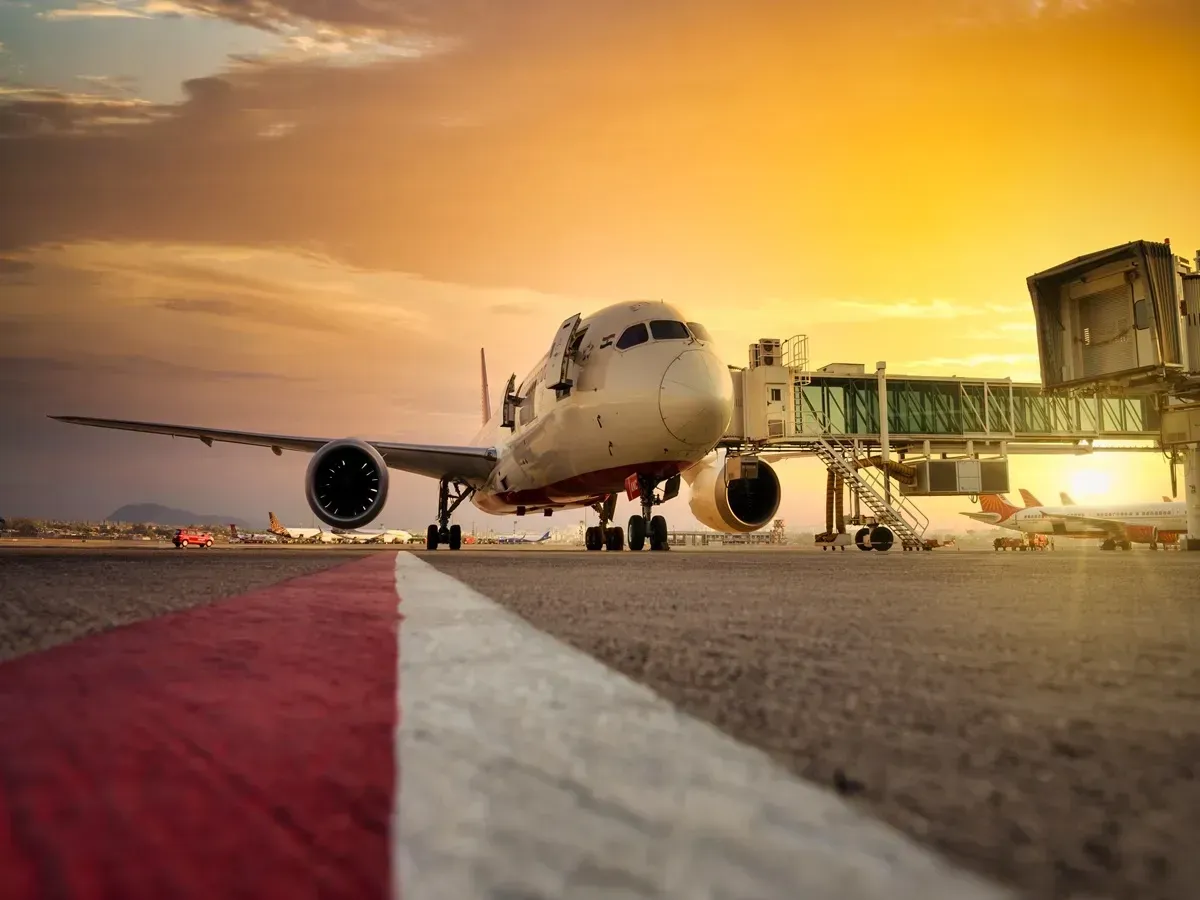
Air India has been grappling with multiple headwinds, including Pakistan airspace closure impacting its overseas operations.
Air India is planning to rebalance its international network, develop Bengaluru as a third hub and expand its wide-body fleet, while IndiGo is betting on its plan to grow its fleet to 600 planes by 2030.
Air India, owned by the Tata Group, wants to regain overseas market share and increase its wide-body aircraft orders, its Chief Executive and Managing Director Tewolde Gebremariam said on Tuesday.
"Air India has been punching below its weight and that will change," Gebremariam said at the Aviation India and South Asia 2026 conference in New Delhi.
The airline plans to rebalance its international flight network and is considering Bengaluru as a third hub alongside Delhi and Mumbai, he said.
Gebremariam, who officially took charge in October, said the airline sees huge growth opportunities and wants to improve operational efficiency and reduce costs as it works towards profitability.
Profitability is a concern, he said, adding that he was more impatient than shareholders to see the airline turn profitable.
Air India, which is in the middle of an ambitious transformation plan, has been grappling with multiple challenges, including Pakistan airspace closure impacting its overseas operations.
IndiGo, meanwhile, is looking to extend its international reach through the induction of longer-range Airbus A321 XLR aircraft.
IndiGo CEO Willie Walsh, speaking at the same event, said the airline expects to have 14 A321 XLR aircraft by December 2027.
It currently operates four such aircraft and expects to add another by the end of this year.
The aircraft's extended range will allow IndiGo to connect more international destinations without moving away from its narrow-body operating model.
The airline also expects to begin receiving its Airbus A350-900 wide-body aircraft from the second quarter of 2028, after discontinuing operations with leased Boeing 787 aircraft.
"We (need) to make sure that we don't get distracted from the excitement of the induction of the A350 and take our eye off the ball in terms of the work that we need to continue to do on the short haul narrow body operation, which is very efficient today," Walsh had earlier said.
IndiGo expects its fleet to reach 600 aircraft by 2030, compared with more than 440 currently.
The airline is also preparing its A350 cabin configuration, with the first 10 aircraft set to feature 16 flat-bed business-class seats, premium economy and economy cabins.
It may consider increasing the number of flat beds in business class in subsequent aircraft, Walsh said.
IndiGo reported a net loss of ₹1,879.1 crore in the September quarter of FY27.
The airline's revenue from operations, however, increased 25.9% year-on-year to ₹23,364 crore in the July-September quarter, compared with ₹18,555 crore in the corresponding period last year.
Revenue declined around 5% sequentially from ₹24,584 crore in the June quarter.
Its EBITDA (earnings before interest, taxes, depreciation and amortisation) rose to ₹1,907 crore from ₹543 crore a year earlier, while the EBITDA margin expanded to 8.1%.
However, the improvement in operating performance was supported by a decline in foreign exchange losses, which more than halved to ₹1,333 crore from ₹2,892 crore in the year-ago period.
Related News
About The Author
Next Story

