Business News
After export slump, ceramic tile makers eye 4–5% revenue rebound on housing demand: Crisil
.png)
3 min read | Updated on December 31, 2025, 13:44 IST


SUMMARY
While exports are likely to decline for a second year due to weak global demand, higher logistics costs and US tariffs, the pace of decline is expected to moderate.
Stock list
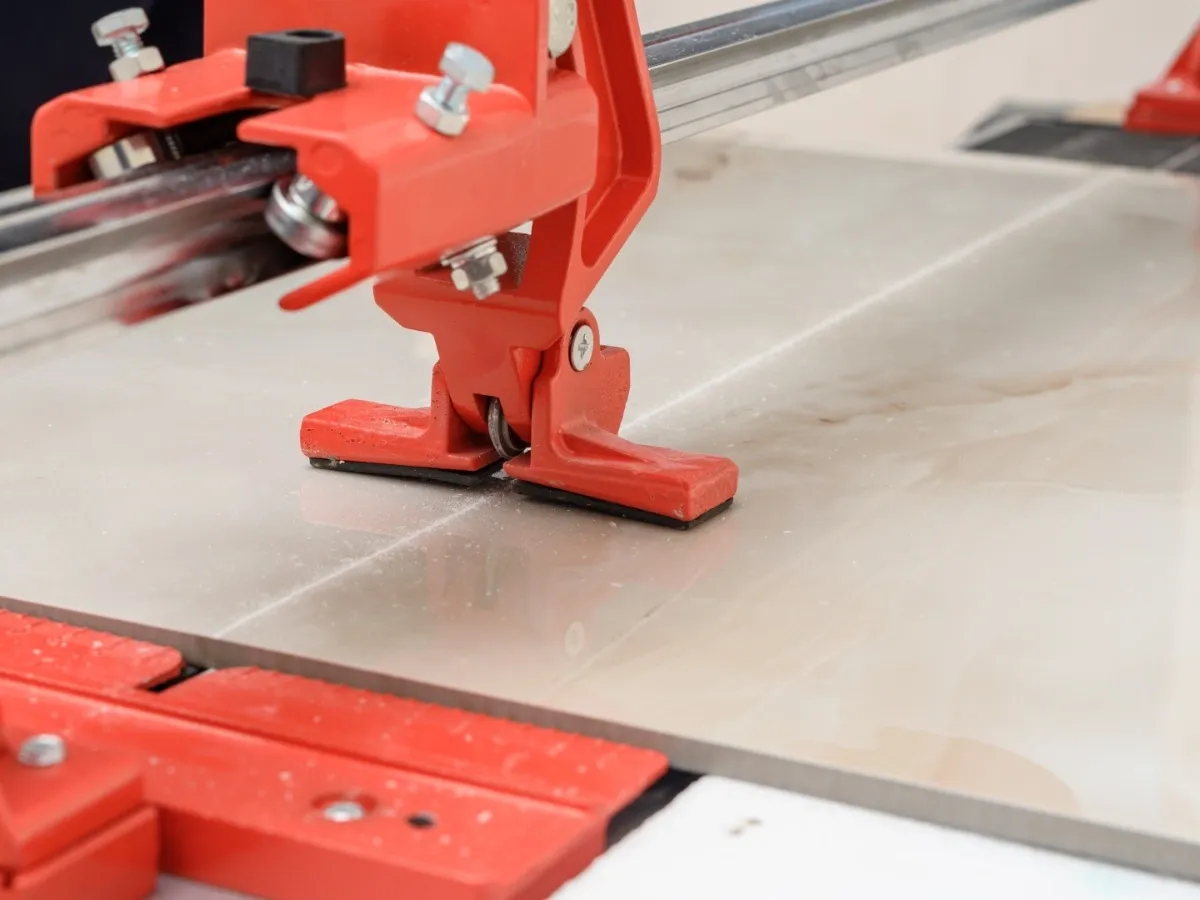
Crisil highlighted a rising preference for premium products such as glazed vitrified tiles and polished glazed vitrified tiles.
India’s ceramic tile industry is set to post a 4–5% increase in revenue in the current financial year and 5–6% growth in the next, marking a rebound from an export-led decline of about 2% last fiscal, according to Crisil Ratings.
The ratings agency said domestic demand, which accounts for nearly two-thirds of the industry’s revenue, will continue to expand on the back of strong momentum in residential real estate.
The report, which analysed 40 ceramic tile manufacturers representing about 25% of the industry’s estimated revenue base of ₹51,000–53,000 crore, noted that operating margins may see a marginal dip this fiscal.
However, negligible capital expenditure is expected to offset the impact, keeping the credit profiles of rated players stable.
“Demand for ceramic tiles typically kicks in 3-4 years after the launch of real estate projects, which is around the time of their completion,” said Nitin Kansal, Director, Crisil Ratings. “In fiscals 2021 and 2022, supply of residential projects increased over 15%, which will support demand for ceramic tiles this and next fiscal.”
As a result, domestic revenue is poised to grow 6–7% this fiscal, led primarily by volume growth, he added.
The agency also highlighted a rising preference for premium products such as glazed vitrified tiles and polished glazed vitrified tiles, which is expected to boost realisations.
The share of premium tiles in domestic revenue has increased by 700–800 basis points over the past five years to about 60% by fiscal 2026.
On the export front, revenue is expected to decline for a second consecutive year, though at a slower pace of around 2% compared with a 15% drop last fiscal.
Weak demand from key markets including the Middle East, Mexico and Europe, coupled with higher logistics costs amid geopolitical uncertainties, are likely to weigh on shipments.
Although exports rose 8% in the first half of the current fiscal, tariffs imposed by the United States are expected to keep overall export growth negative for the full year, the report said.
Crisil noted that manufacturers are diversifying into markets such as Vietnam, Israel, Russia and Saudi Arabia, which should partially cushion the impact of tariffs.
The ability to produce customised tiles in smaller batches is also aiding this diversification. Operating margins are projected to compress by 30–40 basis points to about 10.3–10.4% this fiscal due to weaker exports and higher kaolin costs, which account for 25–30% of total production costs, driven by lower mining output and increased logistics expenses.
“With asset utilisation seen at 64-66%, companies are likely to utilise these cash flows to fund working capital, maintaining low financial leverage below 1 time and healthy interest coverage of over 4 times in the medium term,” said Nilesh Agarwal, Associate Director, Crisil Ratings.
About The Author
Next Story