Business News
40% of gig workers earn under ₹15,000 a month; Economic Survey pitches pay floors, algorithm checks

3 min read | Updated on January 29, 2026, 14:40 IST


SUMMARY
Highlighting that nearly 40% of gig workers earn below ₹15,000 per month, the Economic Survey flagged income instability, limited access to formal credit due to “thin-file” histories, and restricted upward mobility as major concerns.
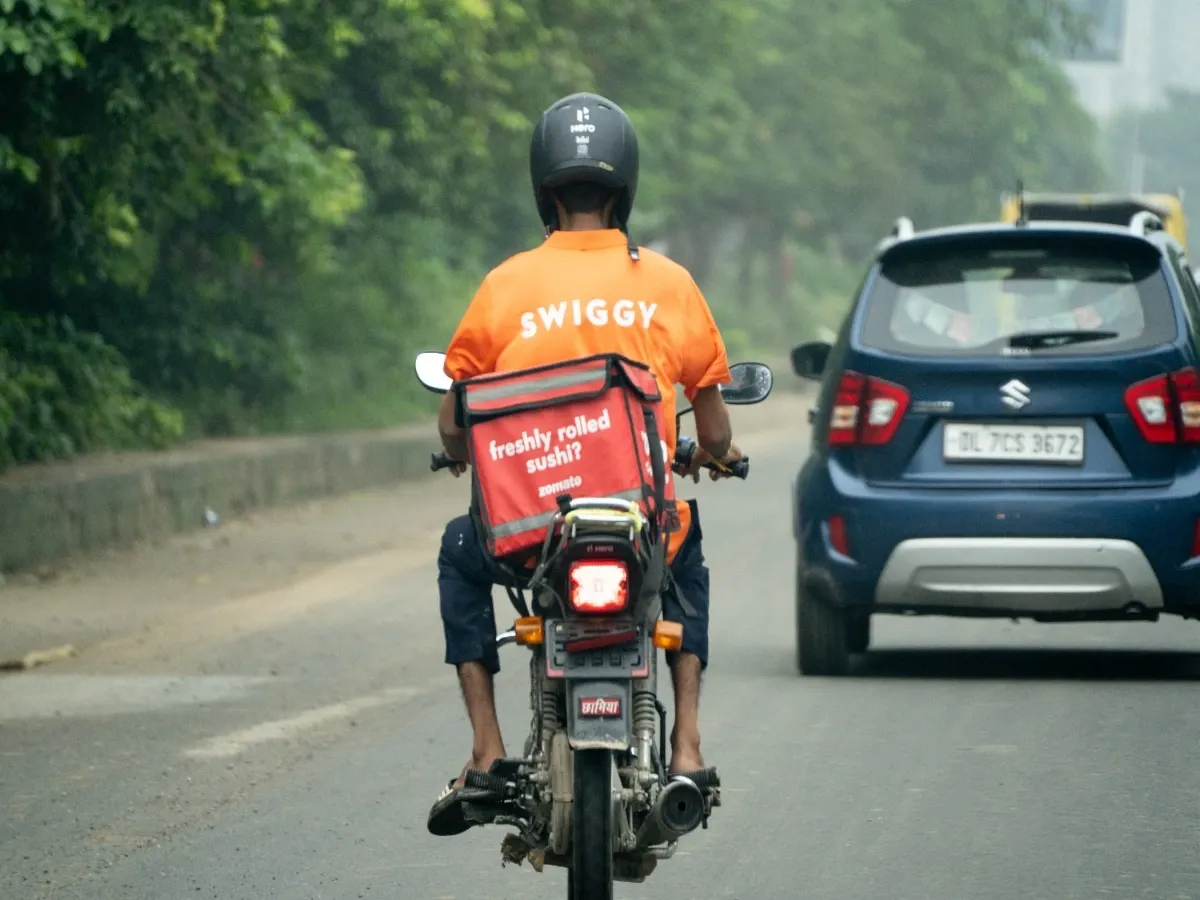
The Economic Survey 2025-26 recommended introducing minimum per-hour or per-task earnings and reducing the cost disparity between regular and gig employment.
The Economic Survey 2025-26 called for targeted policy intervention to ensure fair and sustainable outcomes for the gig economy.
The annual policy document suggested the setting of "minimum per-hour or per-task earnings", and reducing the cost disparity between regular and gig employment.
“About 40 per cent of gig workers report earnings below ₹15,000 per month,” the Survey said.
It noted that many workers have ‘thin-file’ credit histories, restricting access to formal finance and productive assets.
Income instability, it added, makes it difficult for workers to upgrade skills or move into higher-quality gigs.
The Survey flagged concerns over the increasing role of platform algorithms in determining work allocation, performance monitoring and wages, warning of “algorithmic biases and burnout”.
It also said fears of job losses due to technological advances such as artificial intelligence and machine learning add to worker vulnerability.
Calling for a balance between regulation and flexibility, the Survey said policy should aim to make gig work a choice rather than a necessity by enabling upward mobility through upskilling and better access to assets and finance.
“Policy should now prioritise upward mobility of low-skilled workers through upskilling, move into better-paying jobs, and make gig work a stable, reliable income source,” it said.
Defining gig work as “short-term, task-based or project-based work carried out on a freelance or independent basis”, often mediated through digital platforms, the Survey said such work offers flexibility in terms of hours and location.
"Platforms have become essential gig-market infrastructure for finding workers and work. This concentration of power raises concerns over fees, algorithms, and worker protections. Policy should address this through competition rules, data access, and algorithmic transparency, while reorganising the social contract so that gig work benefits workers more fairly," the Survey said.
"Policy can reduce the cost gap between regular and gig work by limiting incentives to avoid mandatory benefits and by setting minimum per-hour or per-task earnings (including waiting time), encouraging formal employment and raising incomes for low- and medium-skilled gig workers," it added.
The Survey also suggested that platforms and employers should be encouraged to "co-invest" in assets and training.
"Many cannot upgrade from low- to medium-skilled gigs because they lack tools (for example, a bike, car, or specialised equipment)," the document observed.
Gig workers in India -- including quick commerce and food delivery riders -- recently staged strikes and protests through their unions to demand better payouts, improved working conditions, formal recognition under the country's labour laws and removal of tight 10-minute delivery deadlines.
The government later asked e-commerce players to remove 10-minute delivery branding from their platforms.
The gig economy has seen structural growth in recent years, transitioning informal jobs into ecosystem-integrated roles.
The gig workforce expanded 55% to 1.2 crore in FY25 from 77 lakh in FY21. It now accounts for more than 2% of the total workforce in India.
Related News

About The Author
Next Story