
Business News
Is RBI targeting specific rupee level? Governor Malhotra reveals central bank’s approach
.png)
4 min read | Updated on May 25, 2026, 11:40 IST


SUMMARY
The remarks follow recent comments by Arvind Panagariya, who argued that the RBI should allow the rupee to depreciate naturally instead of defending a specific level.
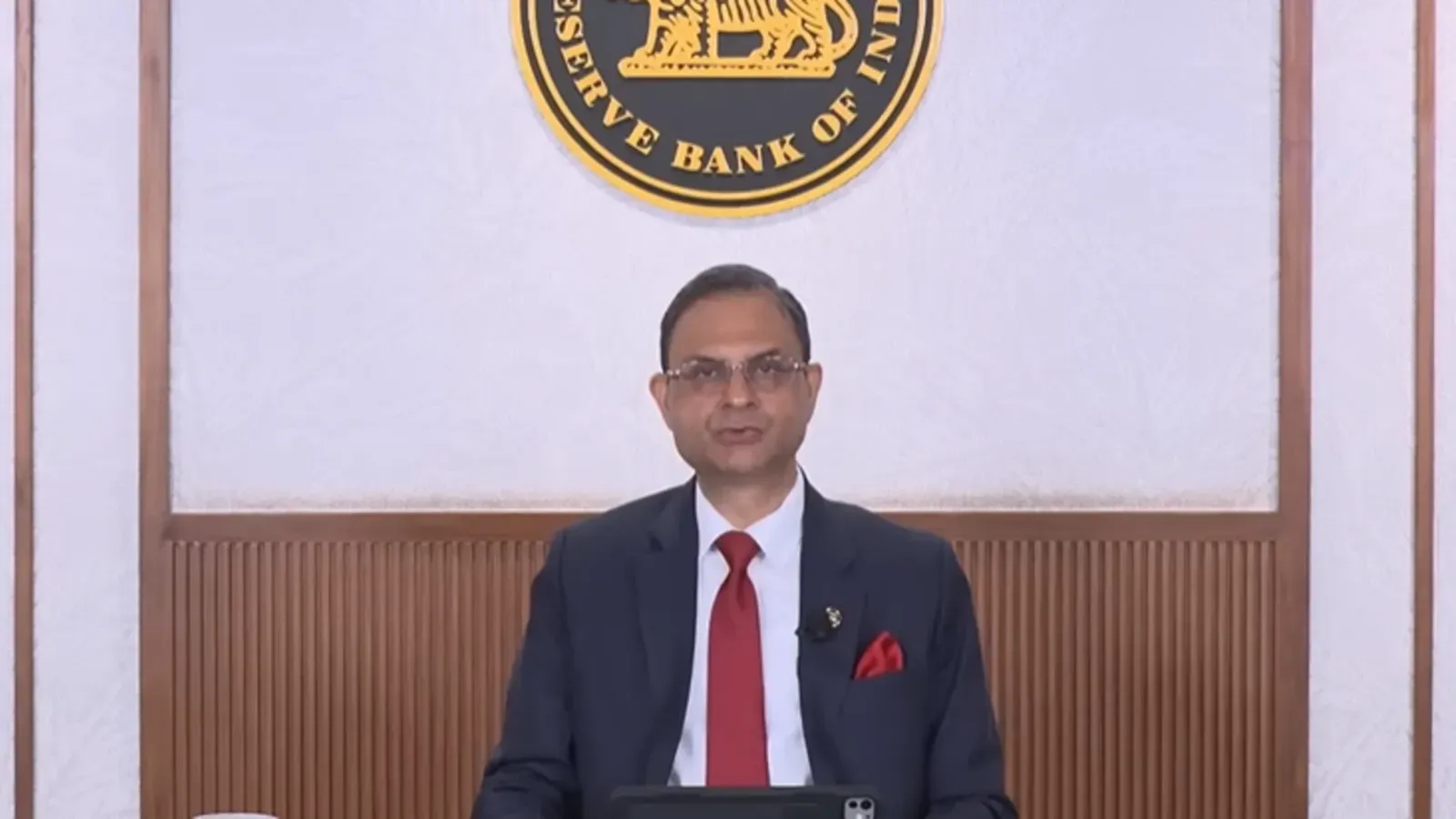
RBI Governor Sanjay Malhotra said the rupee could recover once tensions in West Asia ease.
The Reserve Bank of India (RBI) does not target any specific rupee level against the US dollar and would intervene only to curb “abnormal and high volatility” in the foreign exchange market, Governor Sanjay Malhotra has said, amid growing debate over the currency nearing the psychologically important 100-per-dollar mark.
In an interview to Mint, Malhotra said the RBI’s policy on the exchange rate remained unchanged even as the rupee has come under pressure due to higher crude oil prices, foreign fund outflows and concerns over India’s widening trade deficit.
“We do not target any price or level or band. It is only abnormal and high volatility that we try to curb, so as to have an orderly movement in the forex market,” he said.
The governor added that the central bank would act if “undue speculation” builds up in the market.
“If there is undue speculation getting built, then we are certainly there to bring order... We will do whatever is required to ensure orderly price discovery in the forex market,” he said, noting that the RBI has “enough tools in our kit” and foreign exchange reserves of around USD 700 billion.
Malhotra’s remarks come days after Arvind Panagariya, chairman of the 16th Finance Commission, argued that the RBI should allow the rupee to depreciate instead of defending the “psychologically important” ₹100-per-dollar level.
In a series of posts on X last week, Panagariya said policymakers should not let “the psychology of Rs 100 per dollar determine your policy response”, arguing that depreciation was the right response to the ongoing oil price shock.
“Whether the oil shortage is short-lived or long-lived, the right response at this moment is to let the rupee depreciate,” he had said.
The rupee touched a record low of nearly 97 against the US dollar last week amid rising global crude prices and persistent foreign portfolio outflows.
RBI weighing multiple measures
According to a Bloomberg report, the RBI is considering several measures to stabilise the currency, including a possible interest rate hike, additional currency swap auctions, mobilisation of non-resident Indian dollar deposits and even issuance of sovereign dollar bonds.
Panagariya, however, cautioned against using “costly instruments” such as dollar bonds and high-interest NRI deposits, saying they would amount to “largely a transfer to rich NRIs”.
He also argued that the current macroeconomic situation was very different from the 2013 “taper tantrum” episode, when India faced double-digit inflation and severe external vulnerabilities.
“This is not 2013,” he said, adding that prudent monetary management had left the economy “well-positioned to absorb some inflationary pressure” arising from currency depreciation.
Rupee may recover once West Asia situation eases
Malhotra, meanwhile, said the recent depreciation suggested that the rupee was “not overvalued” and could even be considered “undervalued” in both nominal and real effective exchange rate (REER) terms.
“Once the situation in West Asia normalises, one could very well see the rupee appreciate, as it has during the past similar episodes of external-shocks-driven volatility,” he said.
The RBI governor also underlined that India’s macroeconomic fundamentals remained strong, citing higher growth and relatively low inflation compared with most major economies.
“Our most recent projections for inflation and growth were 4.6 per cent and 6.9 per cent, respectively. We will be revising the projections, of course, given the evolving conditions,” he said.
Forex reserves decline ahead of RBI policy meet
India’s foreign exchange reserves fell by USD 8.09 billion to USD 688.89 billion in the week ended May 15, according to RBI data released on Friday. Foreign currency assets, the largest component of reserves, declined by USD 6.48 billion to USD 545.90 billion.
The RBI’s monetary policy committee is scheduled to meet during June 3-5. The central bank has kept the benchmark repo rate unchanged at 5.25$% so far this year, though several economists expect a rate hike in the coming months amid emerging inflationary pressures.
About The Author
Next Story

