Business News
The halwa, the lock-in and the tablet: Decoding the rituals of the Union Budget
3 min read | Updated on January 29, 2026, 23:40 IST


SUMMARY
India has modernised its fiscal storytelling over the years. The Union Budget has shed most of its colonial legacy to emerge as an event that merges heritage with technology. How has the presentation of this policy document evolved over the years from a colonial ritual to a much-awaited national event? Let’s find out.
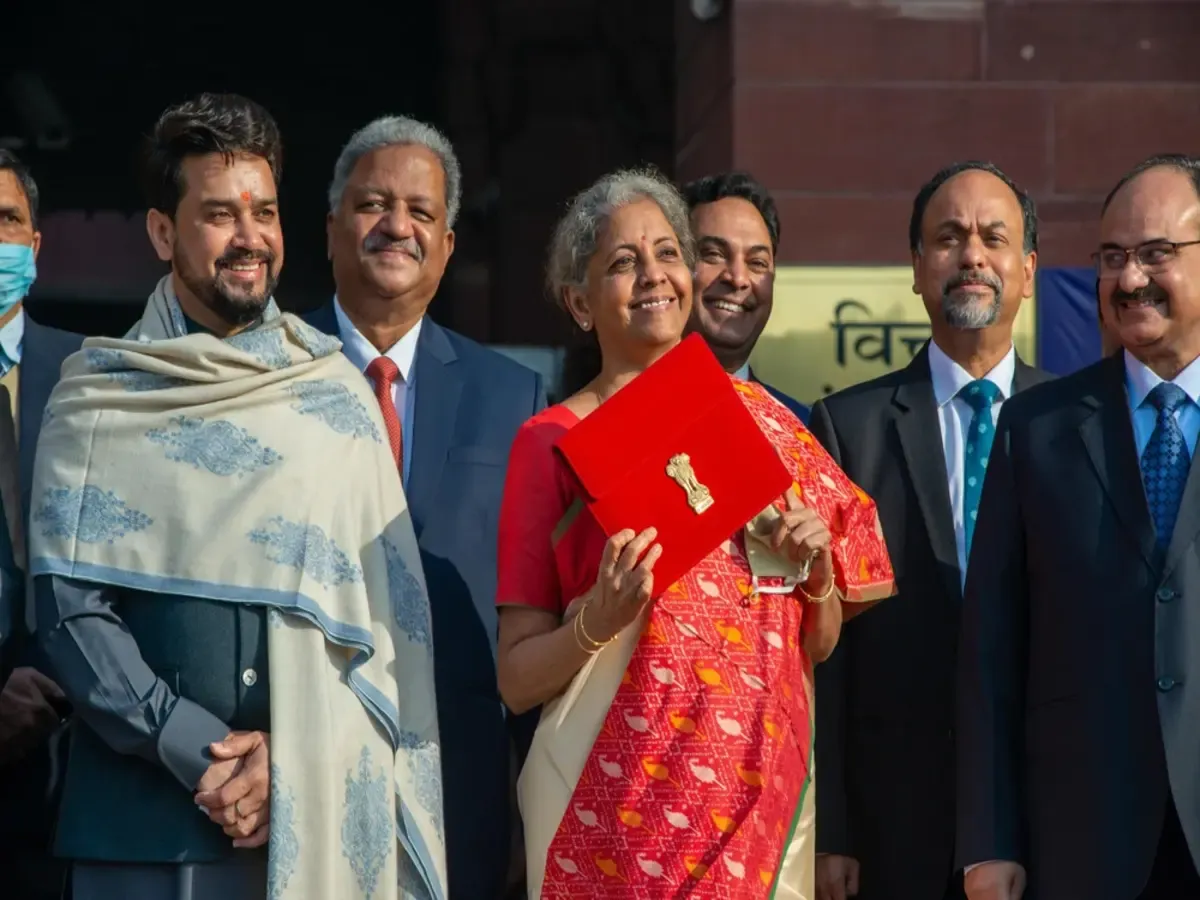
The first ever paperless budget was presented by FM Nirmala Sitharaman in 2021 | Image: Shutterstock
The Union Budget of India is a mix of colonial heritage and modern Indian reforms. But, over the years, it has begun to shed its colonial legacy. The digital age has taken over and several ‘fixed’ traditions have been removed. This is a technology-driven national event that everyone from economists, politicians to the common man, wait for each year.
Journey of the Union Budget
As we delve into what’s changed for the Indian Budget, let’s look back at the key budgets of yesteryears. The first Budget of independent India was presented by then finance minister R K Shanmukham Chetty on Nov 27, 1947, during a time of political and economic transition in the country. The first woman to present a budget was Indira Gandhi in 1970 after she took over the finance portfolio from Morarji Desai. The epochal liberalisation budget of 1991 was presented by Dr Manmohan Singh. The ‘Dream Budget’ as it was known was presented by P Chidambaram in 1997.
Here is how the presentation and traditions of the Budget have shifted over the years.
The clock and the calendar rules
Until the year 1999, the Budget was presented at 5 pm to suit the British Parliament, a colonial legacy that India did not get rid of. It was then Finance Minister Yashwant Sinha who broke this tradition by moving the presentation to 11 am for the Indian public and markets.
In order to ensure that budgetary allocations were ready by the start of the financial year, FM Arun Jaitley moved the date from the last day of February to February 1.
Change of language and medium
Earlier, the Budget documents were printed only in English. But since 1955-56, they have been published in both Hindi and English. This was done to make the budget presentation more inclusive.
The first ever paperless budget was presented by FM Nirmala Sitharaman in 2021. She used a digital tablet for the first time in the midst of the pandemic giving a push to ‘Digital India’. This shortened the ‘lock-in’ period for officials, reducing it from two weeks to five days.
Transition from briefcase to tablet
Indian Finance ministers had carried a leather briefcase for decades but in 2019, it was replaced by the ‘Bahi Khata’. This was a traditional Indian ledger wrapped in red cloth. In 2021, the digital tablet was introduced but it is still kept in a red silk sleeve to maintain the symbolic connection with the ‘Bahi Khata’.
The merger of budgets
For 92 years, the Railway Budget was presented by the Railway minister in a separate event. In 2017, it was merged with the Union Budget to eliminate bureaucratic silos and simplify financial planning.
The Halwa ceremony and the lock-in
The halwa ceremony signifies the final phase of Budget preparations. It is attended by senior officials and the finance minister. It takes place just before the ‘lock-in’ of officials who have been involved in the preparation of the Budget to avoid any leaks. The halwa ceremony is a customary event held each year before the Budget announcement.
This Budget is FM Sitharaman’s ninth, bringing her a step closer to the record of 10 Budgets presented by former prime minister Morarji Desai.
A lot of meticulous planning goes behind the presentation of the much-awaited Budget by the finance minister each year. It is not just a financial statement but a ceremonial event which is as awe-inspiring as it is unique.
About The Author
Next Story