
Business News
Rural employment rises as agriculture absorbs more workers; jobless rate falls to 4.3%

3 min read | Updated on November 11, 2026, 08:29 IST

SUMMARY
The share of rural workers engaged in agriculture rose sharply by 3.8 percentage points to 56.7%, alongside an increase in the rural worker population ratio to 55.6%.
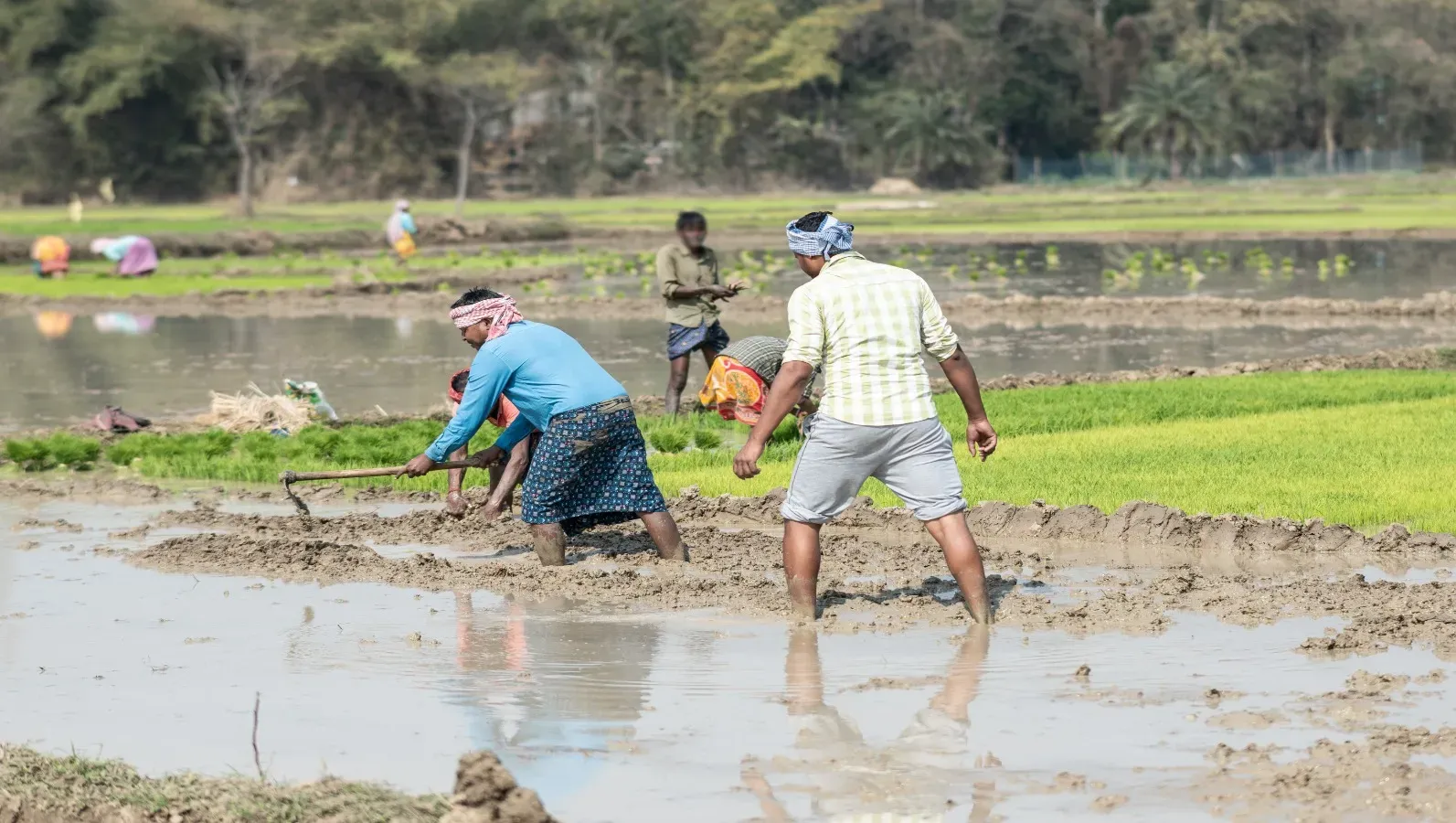
The rural unemployment rate (UR) declined to 4.3% in July-September from 4.8% in April-June. Image: Shutterstock
The unemployment rate in rural India declined to 4.3% in July-September from 4.8% in the previous quarter amid a sharp rise in the share of workers engaged in agriculture, according to a government survey released on Tuesday.
The share of rural workers employed in agriculture increased by 3.8 percentage points to 56.7% during the quarter from 52.9% in April-June, the Periodic Labour Force Survey (PLFS) quarterly bulletin showed.
The increase in agricultural employment coincided with a rise in the rural worker population ratio (WPR), which measures the proportion of employed people in the population, to 55.6% from 54.2% in the previous quarter.
The rural unemployment rate (UR) declined to 4.3% in July-September from 4.8% in April-June.
The overall unemployment rate for people aged 15 years and above also fell to 5.1% from 5.4%.
The data showed that the overall labour force participation rate (LFPR), which measures the proportion of people who are working or seeking work, increased to 55.5% from 54.6% in the previous quarter.
"LFPR and WPR improved in both rural and urban areas," the Ministry of Statistics and Programme Implementation said in its press note.
In rural areas, LFPR increased to 58.1% from 56.9%, while WPR rose to 55.6% from 54.2%.
Urban unemployment, however, remained broadly stable at 6.8% against 6.7% in April-June.
The survey also showed an increase in female participation in the labour force.
Overall female LFPR rose to 34.7% in July-September from 33.2% in the previous quarter, while the female WPR increased to 32.8% from 31.3%.
The share of self-employed workers in rural areas increased by 1.3 percentage points to 62.7% during the quarter. At the same time, the share of casual labour declined to 21.7% from 22.5%.
In urban areas, the share of regular wage and salaried employment increased marginally to 49.6% from 49.3%. The share of casual labour also declined, from 11.1% to 10.7%.
The rural workforce continued to be predominantly engaged in agriculture, while the urban workforce remained concentrated in the tertiary sector, the bulletin said.
The share of rural workers engaged in the secondary sector, including mining and quarrying, declined to 21.9% from 24.4% in the previous quarter. The share employed in the tertiary sector fell to 21.4% from 22.7%.
On a year-on-year basis, overall LFPR increased by 0.4 percentage points to 55.5% in July-September 2026 from 55.1% in the corresponding quarter last year. Rural LFPR rose by 0.9 percentage points, while urban LFPR declined marginally by 0.3 percentage points.
Rural unemployment remained largely unchanged from a year ago, when it stood at 4.4%.
The PLFS, conducted by the National Statistical Office (NSO), is the primary source of data on labour force participation and employment-unemployment conditions in the country.
The survey methodology was revamped in January 2025 to generate monthly estimates of key labour market indicators for both rural and urban India and extend quarterly estimates to rural areas.
About The Author
Next Story

