
Personal Finance News
LTCG tax may be scrapped, STCG tax could be halved: What PHDCCI wants from Budget 2027

3 min read | Updated on November 11, 2026, 07:23 IST

SUMMARY
PHDCCI seeks scrapping of 12.5% LTCG tax and reduction in STCG tax to 10%. SBI Research, FICCI and ASSOCHAM also pitch equity tax relief.
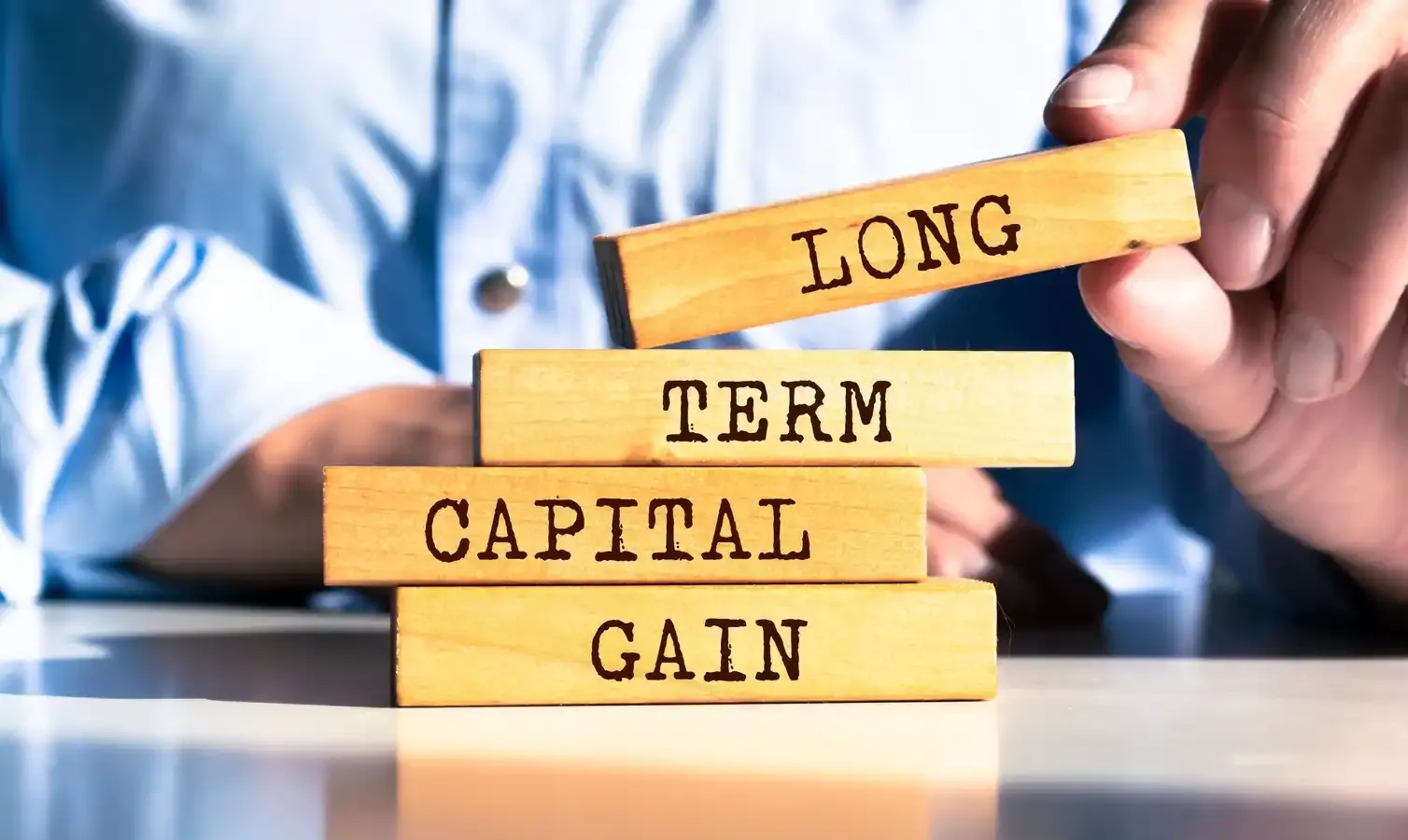
Apart from scrapping LTCG tax and reducing STCG tax, PHDCCI has sought changes in MSME lending norms. | Image: Shutterstock.
Equity investors could see a significant change in capital gains taxation in Budget 2027, with industry bodies and financial researchers stepping up demands for relief on stock market investments.
The PHD Chamber of Commerce and Industry (PHDCCI) has urged Finance Minister Nirmala Sitharaman to abolish the existing 12.5% long-term capital gains (LTCG) tax on equity investments and reduce the short-term capital gains (STCG) tax rate to 10% from the current 20%.
SBI Research makes a case for LTCG tax abolition
In its November 2 Ecowrap report, SBI Research argued that the government could absorb the revenue impact of scrapping capital gains taxes. It estimated that the potential revenue shortfall could be around ₹40,000-50,000 crore in FY28, equivalent to approximately 0.1-0.2% of GDP.
The report also suggested a graded approach to LTCG taxation. It proposed retaining the 12.5% rate for investments held between one and two years, reducing it to 5% for holdings between two and three years and making it zero for investments held beyond three years.
SBI Research has additionally recommended raising the annual LTCG exemption limit from ₹1.25 lakh to ₹2 lakh and linking it to inflation.
FICCI, ASSOCHAM also seek capital gains tax relief
PHDCCI is not the only industry body seeking changes to equity taxation.
FICCI has called for restoring the earlier LTCG tax exemption on listed shares. It has also suggested that an increase in securities transaction tax (STT) could help offset some of the revenue implications.
ASSOCHAM, meanwhile, has proposed a graded tax structure, recommending a 10% LTCG rate for investments held between one and two years and a nil or approximately 5% rate for investments held beyond two years.
What does this mean for equity investors?
Under the existing tax framework, LTCG on eligible listed equity shares and equity-oriented mutual funds is taxed at 12.5% on annual gains exceeding ₹1.25 lakh. STCG on such investments is taxed at 20%, subject to applicable conditions.
However, all these proposals remain recommendations. There has been no official announcement indicating that the government plans to abolish LTCG tax or reduce STCG tax.
The proposals have brought capital gains taxation into focus ahead of the Union Budget 2027-28, with investors awaiting the Finance Minister's decision.
What PHDCCI wants from Budget 2027
Apart from scrapping LTCG tax and reducing STCG tax, PHDCCI has sought changes in MSME lending norms.
According to PTI, the chamber has proposed extending the overdue period for classifying MSME loans as non-performing assets (NPAs) from 90 days to 180 days.
It has also recommended increasing loan ceilings under the Pradhan Mantri MUDRA Yojana to ₹1 lakh under Shishu, ₹10 lakh under Kishore and ₹20 lakh under Tarun/Tarun Plus categories.
The industry body has further called for stronger implementation of the Credit Guarantee Fund Trust for Micro and Small Enterprises (CGTMSE).
Related News

About The Author
Next Story

