
Business News
Why villages turning into towns could face a financial crisis

3 min read | Updated on November 20, 2026, 13:25 IST

SUMMARY
The transition increases spending obligations on water supply, sanitation, roads and staffing, while reducing access to rural development grants.
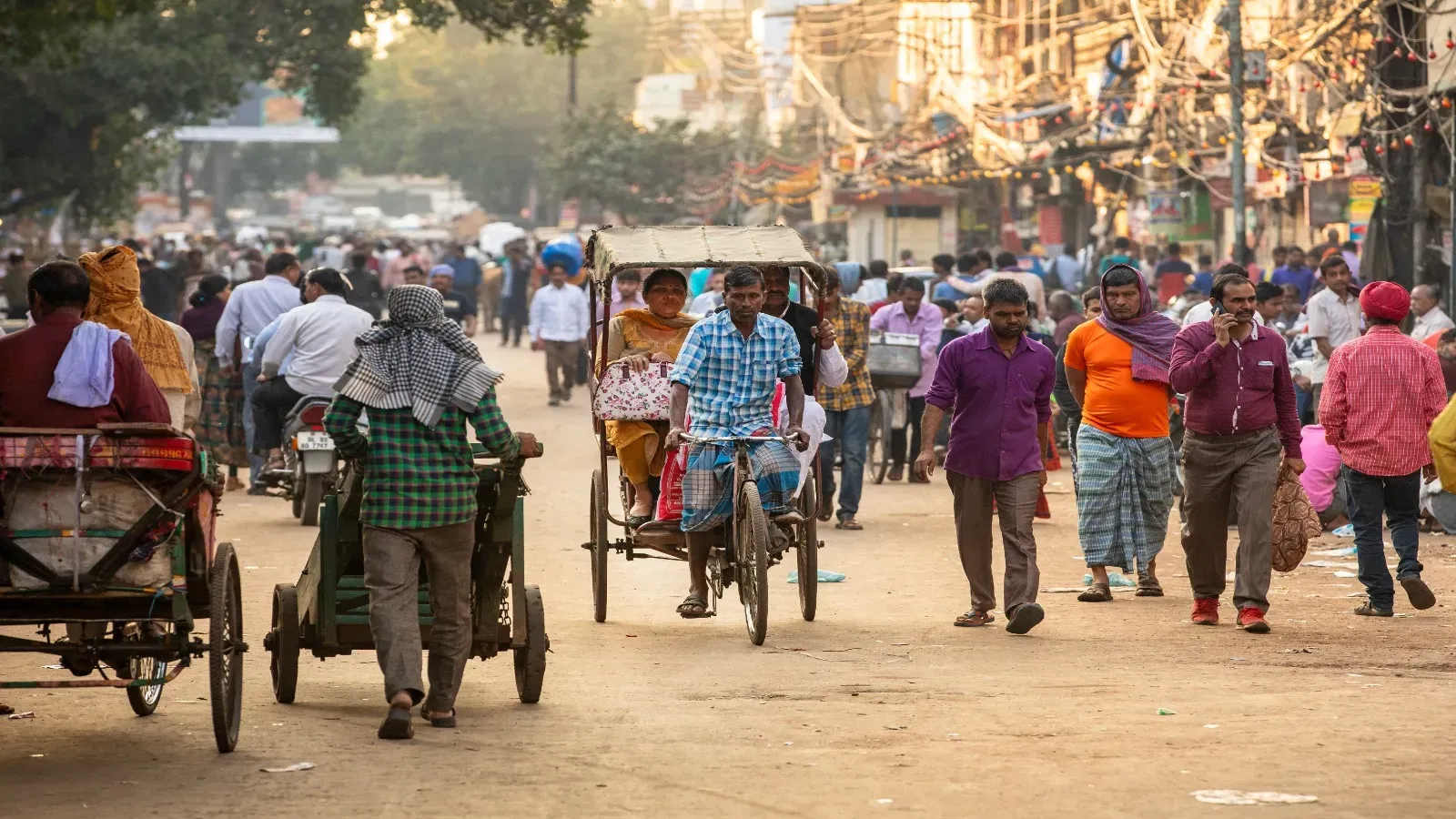
The RBI found that committed expenditure in very small Town Panchayats was equivalent to 223% of their own-source revenue. Image: Shutterstock
As rural areas grow and some Gram Panchayats transition into Town Panchayats, local bodies could face financial stress as their expenditure responsibilities expand faster than their revenue-generating capacity, the Reserve Bank of India has warned.
In its report on ‘Finances of Panchayati Raj Institutions’, the RBI said the transition from a Gram Panchayat to a Town Panchayat brings development opportunities but also creates fiscal challenges, particularly for newly constituted and smaller urban local bodies.
While becoming an urban local body expands the local tax base, strengthens statutory planning powers and provides access to urban infrastructure schemes, it also increases expenditure obligations relating to water supply, sanitation, solid waste management, roads and staffing.
At the same time, these bodies lose eligibility for major rural development programmes, including the rural components of several government schemes, creating a shift from a rural, scheme-driven funding framework to an urban financing model.
“This marks a clear shift from a rural, scheme-driven framework to an urban financing and service delivery model, often before revenue capacity has caught up,” the RBI said.
The report pointed out that Gram Panchayats remain heavily dependent on government grants, which account for 86.5% of total receipts of large Gram Panchayats. Their own-source revenue contributes only 13.4%.
Town Panchayats have a relatively stronger revenue base, with own-source revenue accounting for about one-fourth of their total receipts.
“However, this improvement may be insufficient to meet significantly higher urban expenditure obligations,” the report said.
Committed expenditure, which includes salaries, pensions, interest payments and administrative expenses, accounted for 40.3% of total expenditure in very small Town Panchayats, compared with just 2.4% in large Gram Panchayats.
More worrying is the fact that committed expenditure in very small Town Panchayats was equivalent to 223% of their own-source revenue. In such a case, even full collection of locally generated revenue may not be enough to meet fixed obligations.
The fiscal balance of very small Town Panchayats stood at minus 54.2% of total receipts, compared with minus 2.1% for large Gram Panchayats, the report said.
“... the newly constituted or very small Town Panchayats may inherit weak property records, valuation systems and enforcement capacity, limiting their ability to generate revenues in the short-run commensurate with their expanded responsibilities,” it added.
The comparison is based on a sample of 50,419 large Gram Panchayats across 17 states and 510 very small Town Panchayats.
The RBI called for targeted transitional fiscal support and administrative capacity building during the initial years to bridge the gap between expanded responsibilities and available revenues.
It also suggested improving revenue collection efficiency, regularly updating asset registers and rationalising property taxes and licence fees to strengthen the own-source revenue base.
The report further suggested that large Gram Panchayats approaching urbanisation thresholds should prepare for the transition by strengthening their revenue systems, improving financial reporting and aligning investments with future urban responsibilities.
About The Author
Next Story

