
Business News
Why Trump's Russia sanctions waiver offers India no lasting tariff relief

4 min read | Updated on October 19, 2026, 15:08 IST

SUMMARY
The Global Trade Research Initiative (GTRI) warned that the relief is reversible and Washington could revive the tariff threat to exert pressure in trade negotiations.
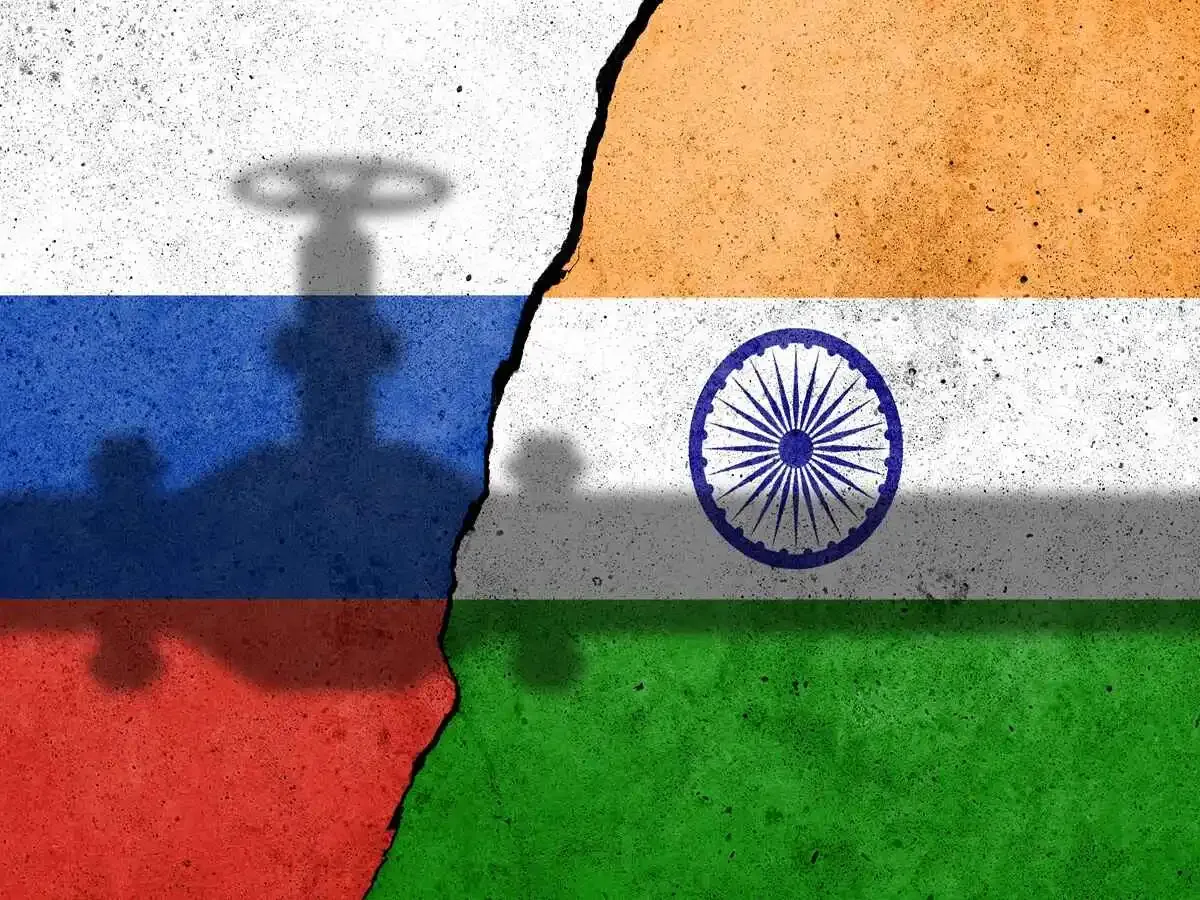
US President Donald Trump has temporarily waived additional tariffs of up to 100% on imports from countries buying Russian oil and gas. Image: Shutterstock
US President Donald Trump's decision to waive additional tariffs of up to 100% linked to purchases of Russian oil brings relief to India, easing the immediate threat of punitive trade measures against countries continuing to buy energy from Moscow.
Trump, in an executive order signed on October 16, waived duties and several sanctions provisions under the Lindsey O Graham Sanctioning Russia and Iran Act of 2026, citing the national interest of the United States.
The Graham Act empowered Trump to impose sweeping sanctions on Moscow and tariffs of up to 100% on goods imported into the US from the five largest purchasers of Russian crude oil or natural gas, including China and India.
The law was passed by the US Congress on September 16 and signed into law by Trump two days later. It authorised Trump to impose tariffs of up to 100% on goods from the five largest importers of Russian crude oil or gas.
The executive order waives the duties provided for in Sections 112 and 113 of the Act or the order.
“Pursuant to section 115(a) of the Graham Act, I hereby waive the application of any duties provided for in sections 112 and 113 of the Graham Act or this order,” Trump said.
Section 113 of the Graham Act deals with the imposition of tariffs of up to 100 per cent on countries that purchase Russian-origin crude oil or natural gas or facilitate sanctions evasion.
Temporary relief for India
The waiver provides India temporary relief from the threat of additional duties on goods exported to the US over its purchases of Russian-origin crude oil, at a time when New Delhi has been diversifying its energy sources but continues to rely substantially on Russian supplies.
US Secretary of State Marco Rubio specifically cited India's difficulty in rapidly shifting away from Russian energy, saying the country voluntarily diversified its energy portfolio “but are still getting a substantial amount of energy from Russia because it's hard to pivot from one day to the next.”
Rubio, who is scheduled to visit India, said the waiver would give the Trump administration time to assess the implications of sanctions and tariffs for the global and US economies amid pressure on energy supplies from the Iran war and the Russia-Ukraine conflict.
Tariff threat remains
The decision, however, does not provide lasting certainty for Indian exporters and energy importers, according to the Global Trade Research Initiative (GTRI).
"The relief is reversible. Washington can restore the tariffs anytime, leaving India and other buyers uncertain about future US action," the think tank said.
GTRI said the Sanctioning Russia and Iran Act remains in force, leaving Washington free to revive the tariff threat as leverage in bilateral trade negotiations.
"For India, the waiver buys time but offers no lasting certainty. India should protect its energy security, buy oil on commercial terms and prepare for renewed US pressure. Temporary tariff relief is no basis for permanent trade concessions," GTRI founder Ajay Srivastava said.
Russia's share of India's oil imports fell from 51% in July to 44% in August as the country increased purchases from the US and the UAE, despite higher prices, GTRI said.
US buying Russian diesel
The waiver also comes amid questions over Washington's approach to Russian energy supplies after the US struck a deal with Russia on October 9 for the supply of diesel to American and global markets.
US Treasury Secretary Scott Bessent said Washington had asked European allies to impose secondary sanctions on China and India for buying Russian oil, but they had refused.
"So why should the US bear the burden? President Trump, perhaps we will be in contact with our European partners. Why should the US go it alone," Bessent said in an interview with NBC's 'Meet the Press'.
He also said the waiver did not amount to lifting existing sanctions, stating, "No sanctions were lifted on Friday."
The US Trade Representative has been directed to monitor Russian oil and gas purchases and sanctions-evasion activities and report to the President on whether further action is warranted.
About The Author
Next Story

