
Business News
SIAM takes U-turn on E20 fuel warning, says reported numbers need authentication

3 min read | Updated on August 05, 2026, 10:46 IST


SUMMARY
SIAM said the reported data on chloride and sulphur levels needs comprehensive validation and described the communication as part of routine technical discussions involving automakers, oil marketing companies (OMCs) and testing agencies.
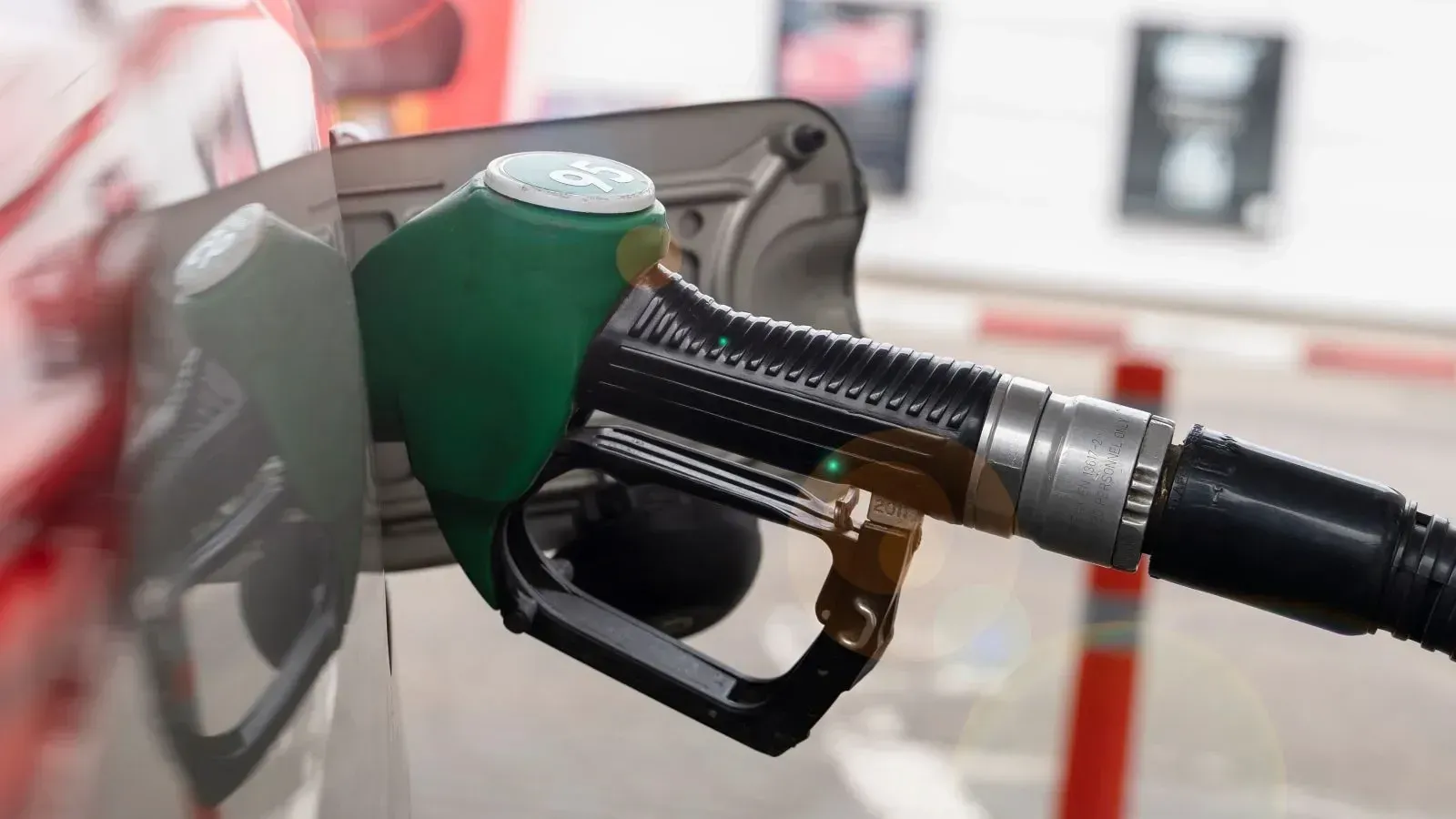
The Centre has said E20 (20% ethanol-blended petrol) does not require engine modifications in cars or two-wheelers, including legacy vehicles.
Automobile industry body SIAM on Tuesday withdrew an earlier communication that had raised concerns over fuel quality in E20 petrol, saying the figures cited in media reports require authentication.
The Society of Indian Automobile Manufacturers (SIAM) said in a statement that there is "no cause for concern" as the issues have been routinely addressed by the automobile industry and oil marketing companies (OMCs).
The clarification came a day after media reports, citing a communication from SIAM, said the industry body had flagged rising concerns over chloride contamination and excessive moisture in E20 petrol, warning that it was leading to failures of engine and exhaust components.
In a statement, SIAM said certain media reports had cited "excerpts from a SIAM communication, with specific and selective focus on chloride and sulphur content in fuel", and sought to place the matter in its proper context.
It said fuel quality testing under the prevailing regulatory framework is a "rigorous and comprehensive process", covering more than 150 parameters, and is undertaken by OMCs.
According to SIAM, the communication referred to in the reports was part of "routine and ongoing technical deliberations" involving industry bodies, oil marketing companies, automobile manufacturers and testing agencies.
"Some numbers quoted in the communication needs authentication through collection of elaborate data from various regions across the country followed by a comprehensive consultation with our member OEMs," the industry body said.
SIAM also noted that the Ministry of Petroleum and Natural Gas (MoPNG) has instituted 3 parts per million (ppm) guidelines for chloride and sulphur in ethanol blended into the petrol supply chain as a precautionary measure.
"All of these steps fully meet the needs of the automobile industry," it said.
The industry body further said it understood from OMCs that additional checks had been instituted, including water ingress testing "about 8-12 times a day in over 87,000 outlets and after each instance of rain near petrol pumps".
SIAM said the automobile industry has "always been fully supportive" of the government's E20 programme, describing it as important from an energy security perspective.
"There is no cause for concern arising from the matter reported as these issues have been routinely addressed over the past several decades between Auto Industry and OMCs," it said.
SIAM added that "the referred numbers reported in the media need authentication" and, therefore, it was withdrawing its earlier communication.
The clarification follows reports that SIAM had written to the petroleum ministry highlighting concerns over chloride contamination and excessive moisture in ethanol-blended petrol and their potential impact on vehicle components.
The Ministry of Petroleum and Natural Gas had earlier said OMCs regularly monitor fuel quality and have further strengthened testing protocols across the country.
The ministry had said more than 2,000 fuel samples had been tested for chloride and sulphide contamination, with only two cases of chloride contamination detected nationwide so far.
Sales from those retail outlets had been suspended immediately, it had added.
About The Author
Next Story

