
Business News
Russia sanctions bill passed by US House; India, China could face tariffs of up to 100%
.png)
3 min read | Updated on September 17, 2026, 09:34 IST


SUMMARY
The bill does not itself impose the tariffs but would empower Trump to do so if signed into law.
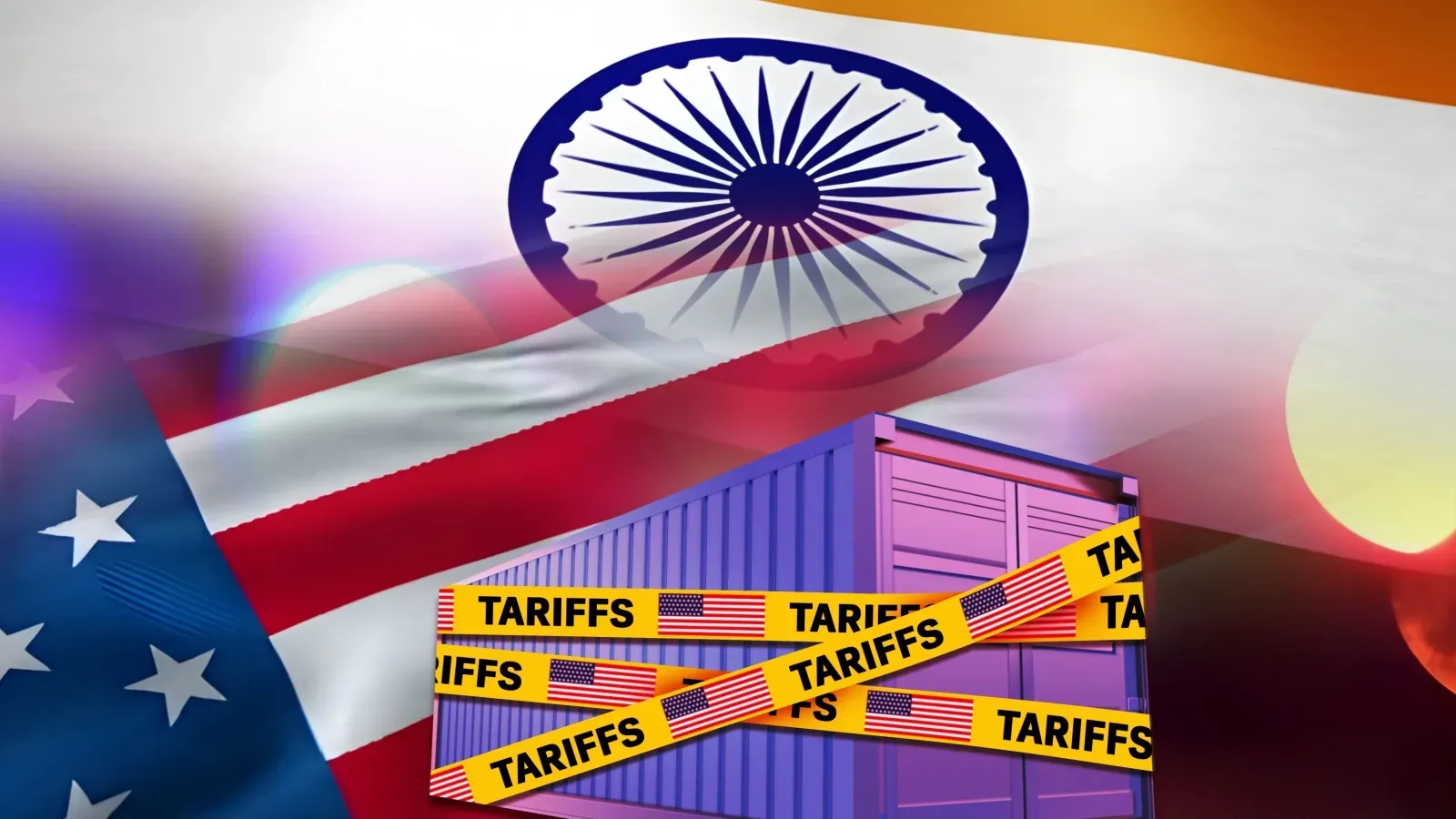
The Senate had passed the legislation by an overwhelming 86-11 vote in August. Image: Shutterstock
The US House of Representatives has passed a sweeping Russia sanctions bill that would give President Donald Trump the authority to impose tariffs of up to 100% on major buyers of Russian oil and gas, including India and China.
The Lindsey O. Graham Sanctioning Russia and Iran Act of 2026 was approved by a 262-159 vote on Wednesday, sending it to Trump for his signature.
The legislation, championed by the late Republican Senator Lindsey Graham, seeks to increase economic pressure on Russia over its war in Ukraine.
Graham had introduced the original legislation in April 2025 and had negotiated with the Trump administration over changes to secure the White House's backing before his death in July.
Under the bill, the US president would be authorised to impose tariffs of up to 100% on countries that are among the five largest purchasers of Russian crude oil or natural gas.
The measure includes an exemption for countries whose imports of Russian natural gas account for less than 15% of Russia's total natural gas exports and which are taking significant steps to reduce those imports.
India and China are major buyers of Russian crude, putting them among the countries that could potentially face the additional tariffs.
China is the largest buyer of Russian crude, while India is the second-largest, according to data cited in US media reports.
The legislation does not itself impose the 100% tariffs but gives Trump the authority to impose them.
The bill also expands sanctions against Russian officials, oligarchs, their family members, banks and other financial institutions, as well as entities supporting Moscow's war effort.
It specifically targets Russia's so-called "shadow fleet", which includes vessels, owners, operators, insurers and other entities involved in transporting Russian oil and other commodities in an effort to evade Western sanctions.
The House vote showed bipartisan support as a total of 58 Democrats voted for the bill, while 152 voted against it.
Among Republicans, 203 voted in favour and seven opposed it.
"These countries have a choice to make about whether they will continue to sustain Putin's aggression," Republican Representative Michael McCaul said during debate.
Democratic House Minority Leader Hakeem Jeffries opposed the measure, saying Democrats would continue to support Ukraine but arguing that the bill did not provide a path to securing that objective.
Graham had spent more than a year working on the sanctions package and, shortly before his death, had reached an understanding with the Trump administration on moving forward with an updated version.
After the House vote, Democratic Senator Richard Blumenthal said the legislation would put pressure on Russia's economy and its oil buyers.
"To China and India: you better clean up your act. Buy your oil and gas somewhere else," Blumenthal said after the vote.
About The Author
Next Story

