
Business News
No immediate plan to raise ethanol blending in petrol beyond 20%: Hardeep Puri

3 min read | Updated on October 27, 2026, 14:39 IST


SUMMARY
The government is promoting ethanol blending to reduce crude oil import dependence.
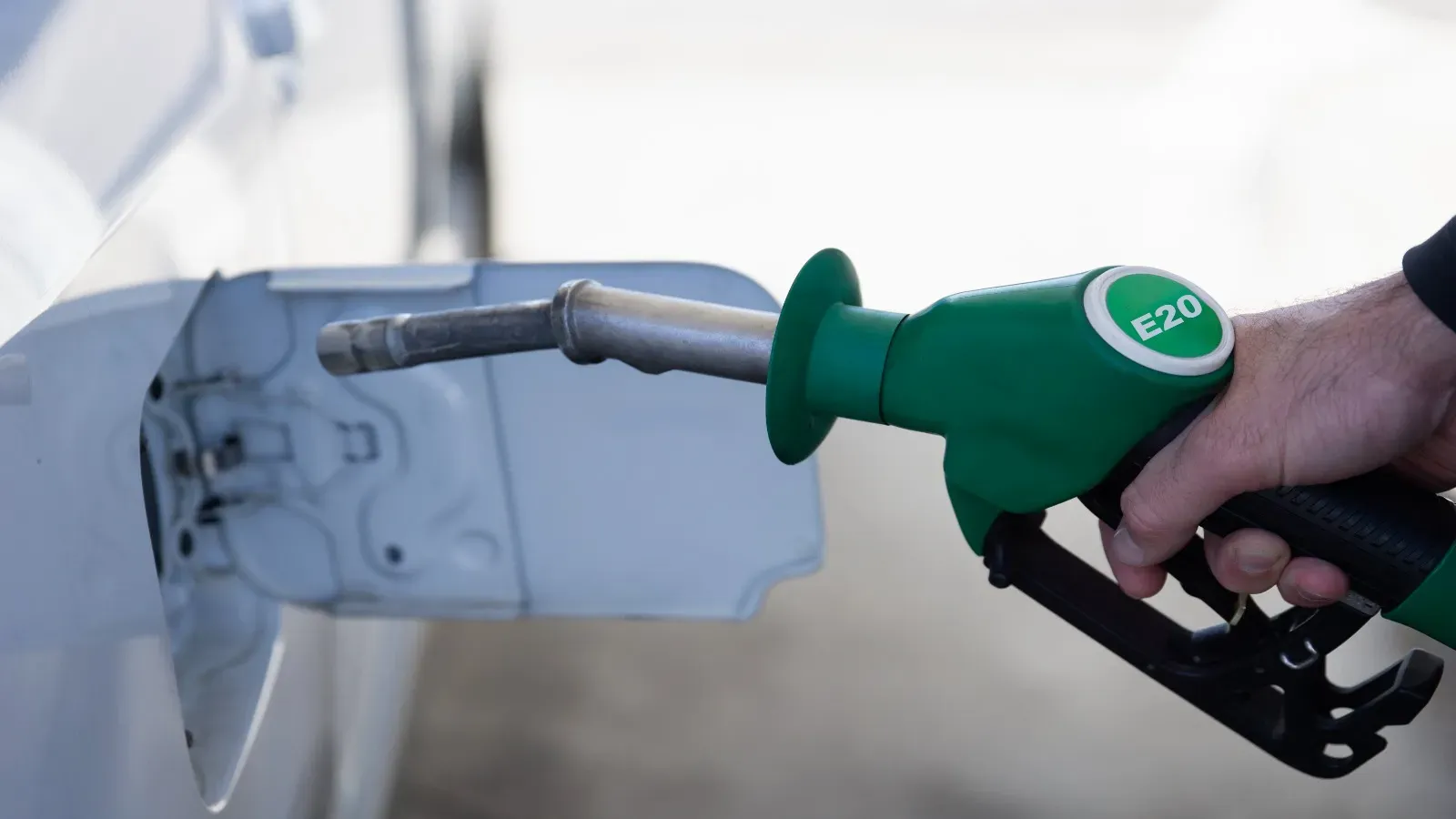
Puri said the government's target of blending 20% ethanol with petrol had been achieved and there was no immediate intention to raise the proportion further.
The Centre has no immediate plans to increase ethanol blending in petrol beyond the current 20%, Union Minister for Petroleum and Natural Gas Hardeep Singh Puri said on Tuesday, dismissing concerns over E20 fuel as a "contrived narrative".
Speaking on the sidelines of the inauguration of the 29th Energy Technology and Innovation Meet in South Goa, Puri said the government's target of blending 20% ethanol with petrol had been achieved and there was no immediate intention to raise the proportion further.
"In so far biofuels are concerned, yes, the 20% (of ethanol blending) was the target, and there is no desire, just now, to increase by more than 20%," he said.
The minister alleged that misinformation was being spread about E20 fuel, which comprises 20% ethanol and 80% petrol.
"There was some problem with the older vehicles which were manufactured before 2003," he said.
Asked about problems reported by E20 fuel users, Puri said there might have been issues related to the transportation of blended fuel.
"I think there was a problem with the transportation of the blended fuel. The tankers which were used for transportation were also used for other things," he said.
On allegations of engine damage due to ethanol-blended petrol, the minister said an automobile manufacturer had initiated legal action against a person who made such claims.
"As far as the engine damage story is concerned, someone had made the claim and the particular automobile manufacturer has filed a case against him," he said.
Calling the controversy a "contrived narrative", Puri said the scale of petrol consumption in the country made widespread engine damage claims questionable.
"Six crore vehicles go to the dispensing stations every day. If engine damage was caused, you could have seen the vehicles all over the place," he added.
The remarks come a day after the Ministry of Road Transport and Highways notified amendments to the Central Motor Vehicles Rules, 1989, allowing for the certification of flex-fuel vehicles capable of running on ethanol blends of up to E100, or nearly pure ethanol.
The amendments update emission certification provisions to expressly include E100 alongside E85, which contains 85% ethanol and 15% petrol.
A senior road transport ministry official said fuels with ethanol content exceeding 20% and going up to E100 were intended only for vehicles specifically designed and certified to use them.
Vehicles designed to run on E20 or conventional petrol cannot use E85 or E100 fuel, the official said.
In June this year, Maruti Suzuki India launched the Wagon R Flex Fuel, which the company described as India's first flex-fuel passenger vehicle. It can run on petrol-ethanol blends ranging from E20 to E100.
The government has been promoting ethanol blending to reduce dependence on imported crude oil, which accounts for a substantial part of India's import bill and contributes to pressure on the country's current account balance.
India has already rolled out E20 petrol nationwide as part of its efforts to expand the use of alternative fuels and reduce fossil fuel consumption.
Automakers, including Toyota Motor Corporation, Tata Motors and Hyundai Motor Company, are also developing flex-fuel vehicles for the Indian market as policymakers seek to diversify the country's energy mix.
About The Author
Next Story

