
Business News
Meta launches AI agent Muse that can plan, browse and act for you; here’s what it can do
.png)
3 min read | Updated on September 09, 2026, 12:50 IST


SUMMARY
Meta CEO Mark Zuckerberg described Muse as a “personal agent” that can understand a user's objectives, create a plan and execute tasks with limited intervention.
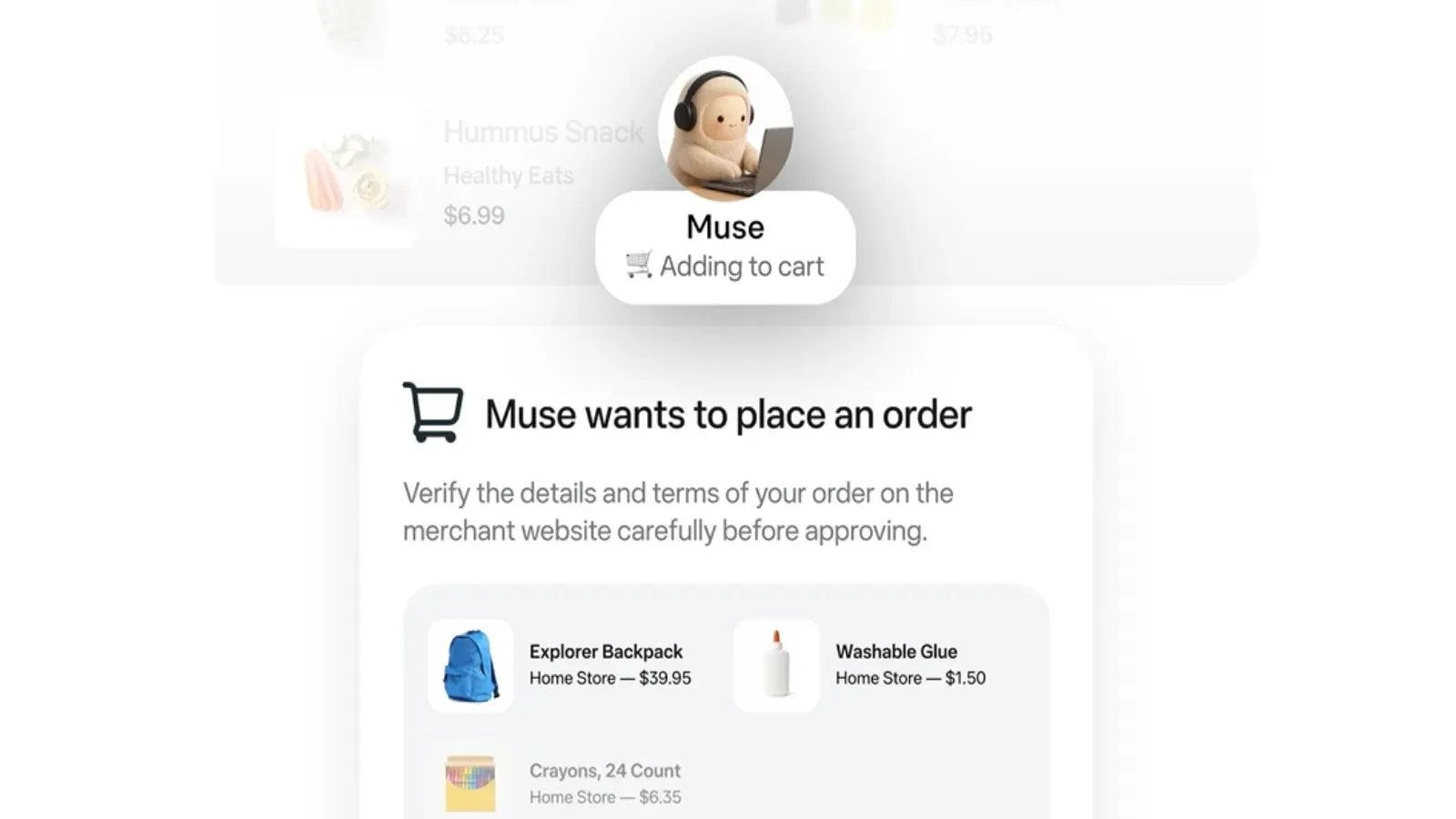
Meta said Muse runs on a dedicated virtual machine, called Muse Secure VM, which houses the AI agent as well as a user's data and credentials.
Meta on Tuesday launched a personal artificial intelligence agent called Muse, which the social media giant said is designed to do tasks on behalf of users, from sending emails and booking travel to working autonomously on longer-term goals.
Meta CEO Mark Zuckerberg announced Muse in a post on X, describing it as a "personal agent" that understands a user's goals and works around the clock to get things done.
"You're in control," Zuckerberg said, adding that users can choose which apps and services Muse can access and disconnect them at any time.
Meta said Muse runs on a dedicated virtual machine, called Muse Secure VM, which houses the AI agent as well as a user's data and credentials.
The company said a separate "Sentinel" agent runs on the same machine and is isolated from Muse at the system level.
Actions or data sent to the internet must be approved by Sentinel, while the system can ask users for permission when required.
The system combines Meta's AI model, the Muse software framework, deterministic code and multiple classifiers to identify threats such as prompt injection attacks.
Meta said these systems are designed to quarantine threats before they reach the model's context window.
What Muse can do
Users can tell Muse what needs to be done through its app or WhatsApp, after which it can develop a personalised plan and carry out tasks.
It can open a browser, fill in forms and negotiate on a user's behalf, the company said.
For tasks that require more time, Muse can continue working after a user closes the app and return when circumstances change or approval is required.
Meta said Muse can also remember information that matters to users and use it to make suggestions.
For example, it can turn a recipe saved on Instagram into a grocery list, suggest a menu for a dinner party and take into account guests' dietary restrictions.
The company said Muse would seek approval before sensitive actions like sending emails or making purchases and would provide users with an audit trail of actions it has taken and plans to take.
Meta said Muse cannot see users' passwords or payment information.
Meta said users can opt out of having their interactions with Muse used to train its AI models. It also said Muse conversations and data stored in a user's virtual machine are not shared with Meta's advertising systems.
The company plans to introduce Muse Confidential VM later this year, under which the entire virtual machine, including users' data and conversations, will be encrypted using a key held only by the user.
Muse is initially rolling out in the United States on iOS, Android and the web, with support for AI glasses planned.
Meta said the service would be free for most users, while subscription plans would be available for those requiring more computing capacity.
Zuckerberg said Meta's longer-term goal with Muse was to help deliver "personal superintelligence" to everyone, with free access of up to 100 million tokens a week and paid plans for users requiring more compute.
About The Author
Next Story

