
Business News
BS-III vehicles may need rubber parts replacement on E20, no engine modification required: Govt

3 min read | Updated on July 29, 2026, 16:24 IST


SUMMARY
The government said concerns over engine damage and reduced mileage are not supported by scientific studies, with fuel efficiency depending on factors such as driving habits, maintenance and tyre condition.
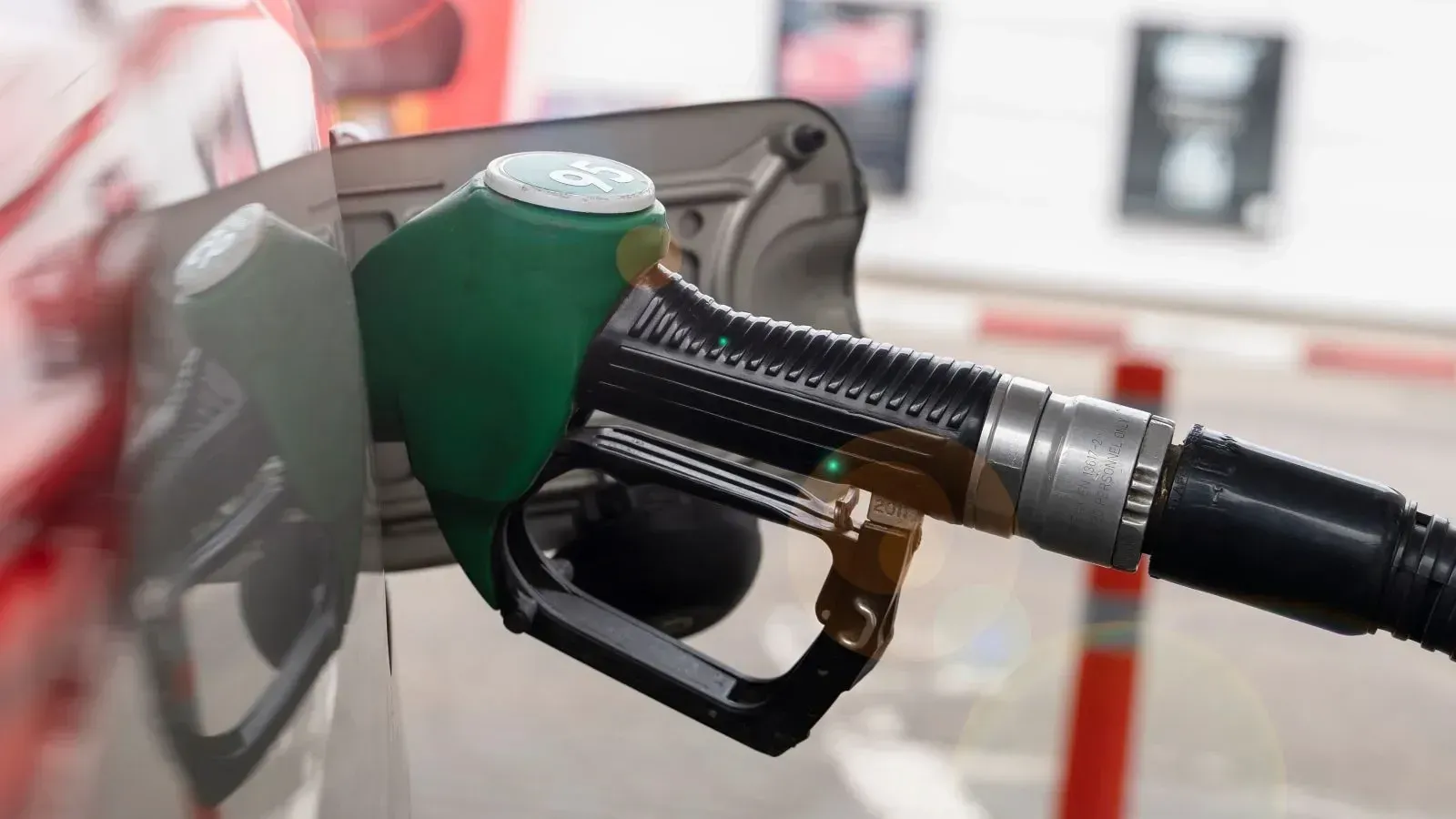
The Centre has said E20 (20% ethanol-blended petrol) does not require engine modifications in cars or two-wheelers, including legacy vehicles.
The Centre on Wednesday said some rubber parts and gaskets in BS-III vehicles manufactured before 2016 may require replacement when operated with 20% ethanol-blended petrol (E20).
In a written reply to the Rajya Sabha, Road Transport and Highways Minister Nitin Gadkari said studies have not shown any need to modify car and two-wheeler engines for use with E20 fuel.
A joint study by Indian Oil Corporation Ltd (IOCL), Indian Institute of Petroleum (IIP), Society of Indian Automobile Manufacturers (SIAM) and Automotive Research Association of India (ARAI) found that both two-wheelers and four-wheelers complied with applicable emission norms when tested with E20 fuel, he said.
"The studies confirmed that even legacy vehicles did not exhibit any significant variations in performance, nor do they show abnormal wear-and-tear when operated with E20 fuel," Gadkari said in a written reply.
He said no issues were reported in parameters such as drivability, startability, metal compatibility and plastic compatibility.
"Only in case of testing done on BS-III vehicles introduced from April 1, 2005 and manufactured prior to 2016, some rubber parts and gaskets may require replacement, which can be easily managed during routine servicing regime of the vehicle," the minister said.
BS, or Bharat Stage, refers to India’s vehicle emission standards that set limits on pollutants such as carbon monoxide (CO), nitrogen oxides (NOx), hydrocarbons (HC) and particulate matter (PM).
The standards are aligned with European emission norms and are enforced to gradually phase out vehicles that emit higher levels of pollutants.
BS-IV was applicable from 2017 to 2020. BS-VI has been in force since April 2020.
India skipped BS-V and moved directly to BS-VI to accelerate pollution control.
Addressing the concerns over vehicle mileage, Gadkari said automobile manufacturers and testing agencies have clarified that fuel efficiency depends on several factors apart from fuel type, including driving habits, maintenance practices, tyre pressure and alignment, and air-conditioner load.
The minister said an Inter-Ministerial Committee constituted under NITI Aayog in December 2020 had examined vehicle compatibility and mileage aspects of ethanol blending with support from IOCL, ARAI and SIAM.
Its "Roadmap for Ethanol Blending in India 2020-25", released in June 2021, was prepared after consultations with automobile manufacturers, oil marketing companies and agricultural experts, and assessed material compatibility, engine calibration, fuel systems, drivability, durability, emissions and fuel efficiency before the rollout of E20 fuel.
Gadkari said the Ethanol Blended Petrol (EBP) Programme has been implemented in a phased and scientifically validated manner after field trials and stakeholder consultations.
The average ethanol blending in petrol has increased from around 1.53% in 2013-14 to 19.2% in 2024-25, reaching 20% by December 2025, he added.
The minister said SIAM has informed the government that no widespread issues of engine failure or vehicle breakdown attributable to ethanol blending have been reported.
He said concerns regarding engine performance, mileage and vehicle wear have largely been raised through public commentary and social media discourse.
About The Author
Next Story

