
Business News
RBI signals no immediate relaxation in 50% loan repayment cap for microfinance borrowers

3 min read | Updated on November 16, 2026, 10:02 IST

SUMMARY
Deputy Governor Shirish Chandra Murmu rejected the industry's proposal to exclude the principal component of certain loans when calculating the fixed obligation to income ratio (FOIR).
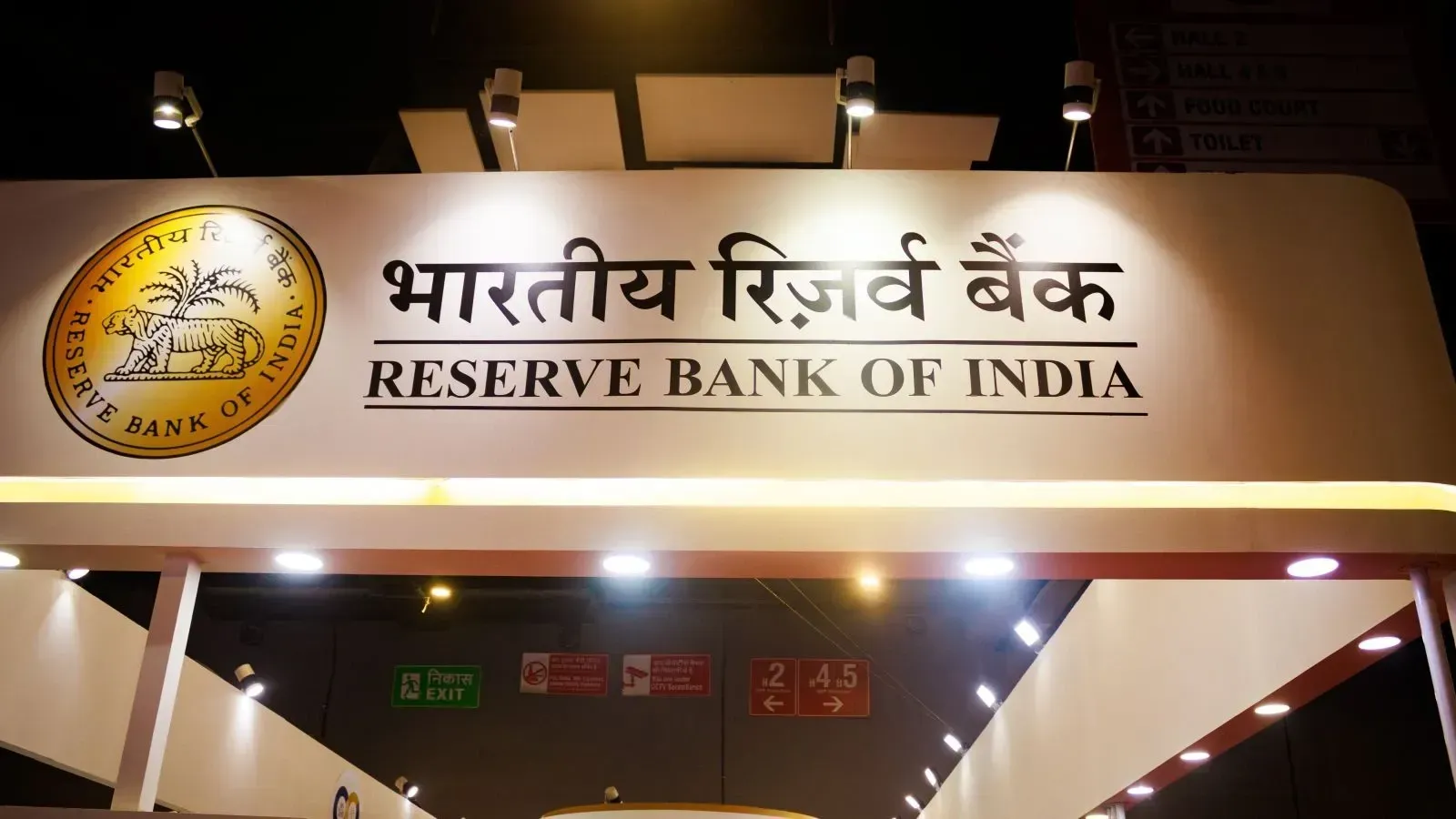
The Reserve Bank of India (RBI) has indicated no immediate relaxation in the 50% cap on monthly loan repayments as a proportion of household income for microfinance borrowers, saying the existing limit is necessary to prevent over-indebtedness among low-income households.
RBI Deputy Governor Shirish Chandra Murmu said the central bank was not in favour of excluding the principal component of certain loans while calculating the repayment-to-income ratio, as sought by the microfinance industry.
"Excluding some loans from the calculation would defeat this purpose, tinker with the sanctity of the limit and understate household leverage," he said in a keynote address at an MFIN event in Mumbai on November 13.
The microfinance industry had sought a review of the annual household income eligibility threshold of ₹3 lakh and the 50% limit on the fixed obligation to income ratio (FOIR).
Under the existing framework, households with an annual income of up to ₹3 lakh are eligible for microfinance loans from regulated entities, and their monthly loan repayments cannot exceed 50% of household income.
Responding to the industry's demand for a higher income eligibility threshold, Murmu said a review would be undertaken depending on the RBI's assessment of the need for such a revision and developments in the industry.
"Meanwhile, the industry must fortify its household income assessment and reporting processes – to maintain credibility, and to prevent the misuse of any change in regulatory thresholds," he added.
However, the RBI official defended the existing repayment cap, saying its objective was to prevent borrowers from becoming over-indebted and that a reasonable share of household income remained available for essential consumption and other living expenses.
"Let us also remember that 50% is already a liberal threshold, given the thin financial cushion of low-income households and their vulnerability to economic shocks," he said.
Murmu said the average microfinance borrower spends just 18.7% of her monthly household income on loan repayment.
NABARD's periodic Rural Economic Conditions and Sentiments Surveys also show that consumption and other expenses account for roughly three-fourths of monthly household income, leaving the rest for loan repayment and savings, he said.
"In such a scenario, an accommodative view on FOIR may be uncalled for," Murmu said.
The Deputy Governor also flagged an upward shift in lending rates charged on microfinance loans across all categories of regulated entities.
He said the freedom to determine lending rates came with the responsibility of ensuring that pricing was transparent, reasonable and justifiable.
The microfinance sector serves around 6.6 crore borrowers and plays an important role in bringing economically vulnerable households into the formal financial system.
About The Author
Next Story

