Business News
Delhi-NCR commuters brace for 3-day auto, taxi strike; Ola, Uber likely affected
.png)
4 min read | Updated on May 21, 2026, 09:35 IST


SUMMARY
The protest is expected to impact app-based cab services such as Uber, Ola and Rapido, along with some commercial taxi and auto-rickshaw operations.
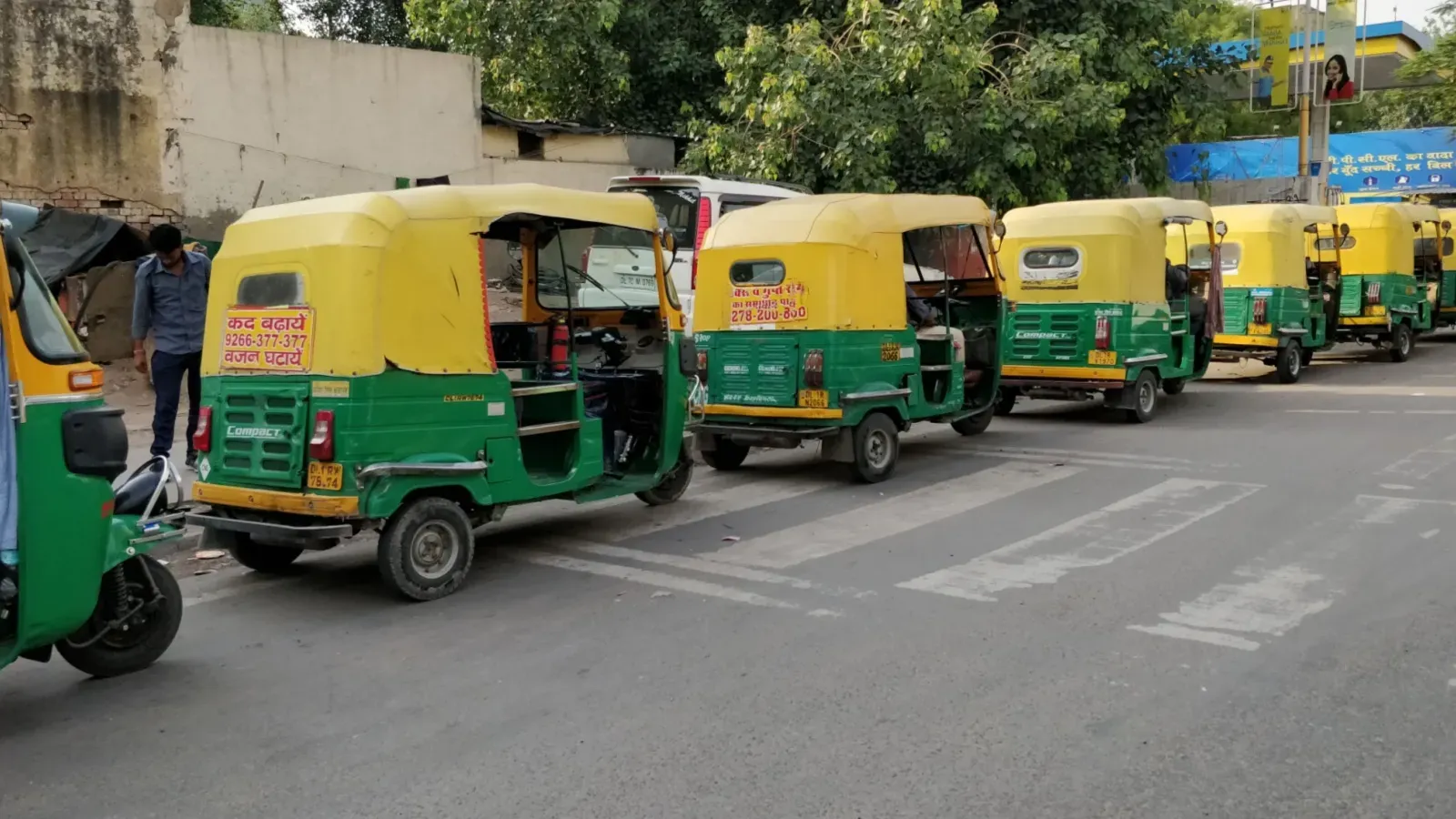
The strike also comes amid recent fuel price hikes linked to rising global oil prices and the West Asia crisis. Image: Shutterstock
Commuters across Delhi-NCR may face disruption over the next three days as major transport unions launched a strike on Thursday to press for a revision in auto and taxi fares and protest against rising fuel prices and other operational costs.
The three-day strike, called by transporters' bodies under the banner of the All India Motor Transport Congress (AIMTC), is expected to affect app-based cab services such as Uber, Ola and Rapido, besides commercial taxi and some auto-rickshaw operations.
Visuals from Delhi's Ramlila Ground showed parked trucks and auto-rickshaws as transporters gathered in support of the protest.
What are unions demanding?
The unions are demanding an immediate revision in taxi and auto fares, rollback of the increased Environment Compensation Charge (ECC) on commercial vehicles, reconsideration of the proposed ban on BS-IV and older commercial vehicles from entering Delhi-NCR from November 2026, stronger regulation of app-based aggregators, and relief from rising fuel and maintenance costs.
In a letter addressed to Lieutenant Governor V K Saxena, Chief Minister Rekha Gupta, Transport Minister Pankaj Kumar Singh and Police Commissioner Sanjay Arora, the Chaalak Shakti union said taxi operators would join the strike and participate in a "chakka jam" during the protest.
The union said it would also hold a demonstration and gherao of the Delhi Secretariat on May 23 if the government failed to address their demands.
Chaalak Shakti alleged that despite repeated representations and a Delhi High Court direction to consider fare revision, the government had not taken any decision.
It said taxi fares in Delhi-NCR have remained unchanged for nearly 15 years, even as prices of CNG, petrol, diesel, spare parts, insurance, fitness certification and permits have risen sharply.
West Asia impact
The protest comes amid a fresh increase in fuel prices.
Petrol and diesel prices were raised by around 90 paise per litre earlier this week, the second hike in less than a week after state-owned oil marketing companies resumed revisions after a gap of more than four years.
In Delhi, petrol now costs Rs 98.64 per litre, while diesel is priced at Rs 91.58 per litre.
CNG prices were also increased by Rs 2 per kg on May 15 and by another Re 1 per kg on Sunday.
The union said rising fuel costs and inflation had pushed drivers into a severe financial crisis, with many struggling to support their families.
It also alleged that app-based aggregators were economically exploiting drivers and sought mandatory implementation of revised fares by such platforms.
Warning of a larger agitation, the union said that if fares were not revised soon, it would be "compelled to intensify this protest into a larger mass movement within the next one or two months".
However, a section of auto-rickshaw unions has distanced itself from the strike and said services would continue as usual.
Rajendra Soni, general secretary of the Delhi Auto Rickshaw Sangh, said the issues were primarily related to goods carriers and did not directly concern auto and taxi drivers.
"Auto and taxi services will continue to operate normally at all railway stations, bus terminals and other locations as usual," he said.
Soni said five unions, including Delhi Pradesh Taxi Union, Auto Drivers Welfare Sangh Delhi, Pragatisheel Autorickshaw Drivers Union and National Capital Region Auto Taxi Transport Union, had not supported the strike call.
He said the unions only wanted to meet the chief minister to seek an early resolution of issues such as fare revision and the impact of higher CNG prices.
The Delhi Taxi and Tourist Transport Association has also distanced itself from the strike.
Its president, Sanjay Samrat, said the association would cooperate in the "national interest" and avoid causing inconvenience to the public at a time when the country was facing challenges due to rising global oil and gas prices.
About The Author
Next Story