Business News
Opportunities and Challenges of Digital India’s Rise
.png)
4 min read | Updated on January 31, 2024, 22:55 IST


SUMMARY
Digital India, launched in 2015, aims to transform India into a digitally empowered society and knowledge economy. The initiative encompasses various projects focusing on e-governance, digital infrastructure, literacy, and payments. While Digital India has expanded internet penetration and leveraged Aadhaar for efficient governance, challenges such as the digital divide, lack of literacy, and data privacy concerns persist. Despite these challenges, Digital India offers vast economic opportunities, with projections indicating significant job creation and GDP growth. Bridging the digital gap requires concerted efforts in policy and implementation to ensure equitable access and maximize the benefits of digitalization for all segments of society.
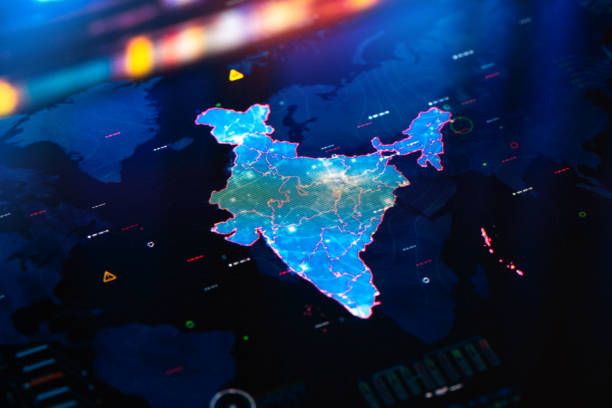
The NIPFP report mentions that around 40% of the population above the age of 15 years has not accessed the internet in the last year.
Key Takeaway-
- The key goals of Digital India include closing the digital divide, raising digital literacy, upgrading digital infrastructure, and expanding digital engagement between citizens and the government.
- The expansion of internet penetration in India and the success of Aadhaar have served as major game changers.
- While the advances in digitalisation and technology have been remarkable, there might be potential gaps in access to these digital tools, especially for marginalised or underserved communities.
Digital India
It comprises several projects on e-governance, digital infrastructure, digital literacy, and digital payments, among others. These projects encourage digital inclusion, drive economic growth, and improve the quality of life for the people of India.
One of the biggest contributions is increased private consumption, particularly during the pre and post-pandemic phases. Like, Aarogya Setu and CoWin apps were transformative in tracking and containing the spread of the virus. In fact, they were the reason why vaccination of many people was possible in such a short period. This, in turn, boosted consumption by reopening the economy.
The Aadhar Boon
The unique identification (UID) scheme- Aadhaar, a flagship scheme under Digital India, saved the government around ₹18,700 crore between 2012-13 and 2020-21, through fraud prevention and matching subsidies to beneficiaries. Studies suggest that the use of Aadhaar-based authentication has enabled the effective transfer of benefits to the intended beneficiaries, which in turn has led to an increase in public expenditure and a reduction in corruption.
The internet penetration has grown more than threefold since 2014, crossing the 50% mark in 2022. Aadhaar has officially completed the transfer of over ₹34 lakh crores to more than 1167 crore beneficiaries under the Direct Benefit Transfer (DBT). The total beneficiaries under the Prime Minister Jan Dhan Yojana (PMJDY) reached ₹51.5 crores by January 10, 2024.
Remarkably, approximately 56% of Jan Dhan account holders are women, and two-thirds of these accounts are in rural and semi-urban areas. All thanks to the PAN India Aadhar System.
Opportunities for Digital India Rise
So, currently Digital India is creating new job opportunities, with projections suggesting that the sector could create over 8 million new jobs by 2025.
Challenges to the Digital India
Lack of digital literacy is another challenge. The NIPFP report mentions that around 40% of the population above the age of 15 years has not accessed the internet in the last year, primarily due to a lack of awareness and affordability.
Plus, the raging use of digital technologies, coupled with the vast amount of personal data being generated, raises concerns around privacy and data security.
Conclusion
So, a combined effort is required, both at the policy and implementation level. To bridge the digital gap, improve digital literacy and data security, and enable equitable access to the opportunities presented by Digital India- both urban and rural.
By signing up you agree to Upstox’s Terms & Conditions

About The Author
Next Story